
In the early 2000s, writer Nick Tosches (Oscar Isaac) is hired by a Mafia don to verify and steal an original copy of ‘The Divine Comedy’ by Dante Alighieri. In 14th-century Florence, Dante (also Isaac) grapples with the creation of his greatest work.
This is a bizarre misfire from director Julian Schnabel. His previous work — locked-in-syndrome POV drama The Diving Bell And The Butterfly; Vincent van Gogh biopic At Eternity’s Gate — achieved something far more profound. In The Hand Of Dante, meanwhile, is almost impressively pretentious and misjudged at almost every turn.
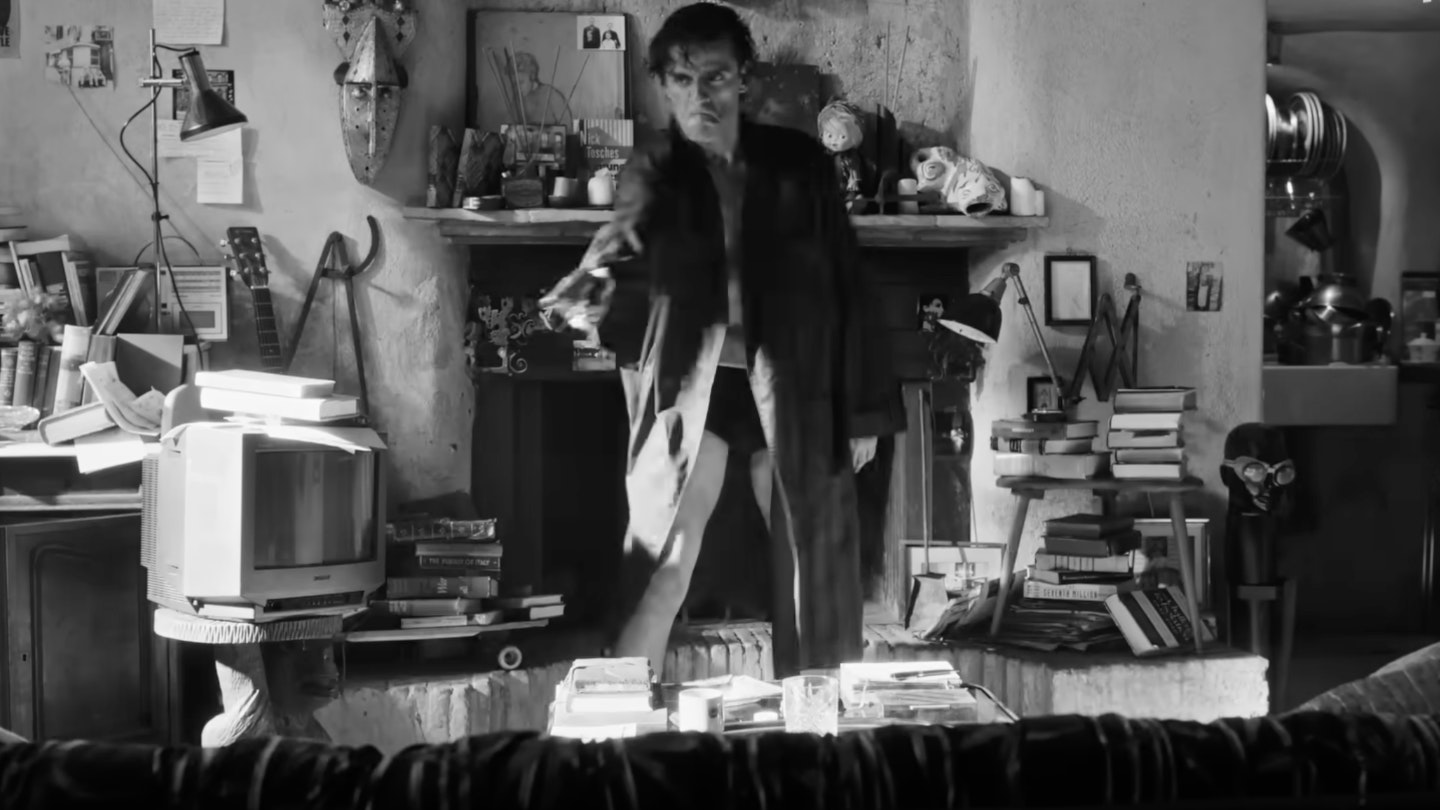
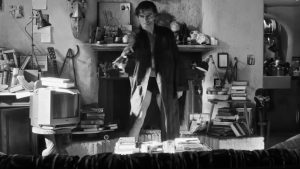
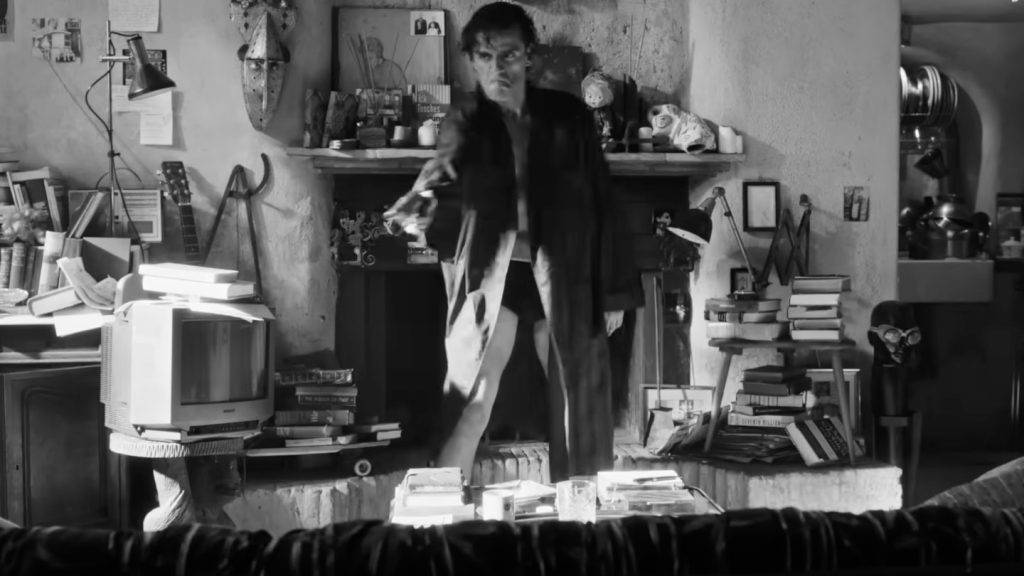
Set across twin timelines, it sees Oscar Isaac play both 14-century poet Dante Alighieri, of ‘Divine Comedy’ fame, and real-life New York “literary iconoclast” Nick Tosches. (The modern-day side is shot in crisp black-and-white, while the flashbacks are in Horrible Histories colour.) The film adapts Tosches’ 2002 sprawling, ambitious book of the same name, which included Tosches himself as a semifictional protagonist. In the modern day, Tosches accepts a job from an old friend, to steal a rare copy of Dante’s ‘The Divine Comedy’, bringing him into orbit with the Mafia; in the 1300s, Dante wrestles with his spiritual and artistic practice, via unintentionally comic levels of pomposity.
Schnabel’s tone and approach is both overly self-important and fatally confused about whatever it is trying to say.
Taking a Cloud Atlas approach to casting, we see several actors take on dual roles in both timelines, including Gal Gadot, Louis Cancelmi and Gerard Butler, the last as both a nastily murderous Mob enforcer and the Pope. Also, Martin Scorsese pops by with a massive beard for a confusing cameo as Dante’s mentor. It’s not nearly as fun as any of that sounds. Everyone is dreadfully miscast, almost entirely across the board, while Schnabel’s tone and approach is both overly self-important and fatally confused about whatever it is trying to say.
The intention, perhaps, was to make something on a par with epic Renaissance-era poetry — a pompous, metafictional piece of art, about art — but while occasionally pretty, it is mainly just overlong and boring. “My books can’t be edited any more than a leopard can be manicured,” insists Nick at the beginning of the film; perhaps Schnabel should have considered editing this two-and-a-half hour folly into something even remotely watchable.
Kind of a disaster. Not quite the seventh circle of hell — but it’s dangerously close.