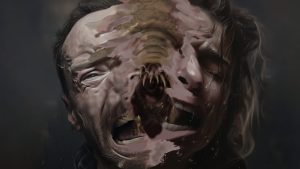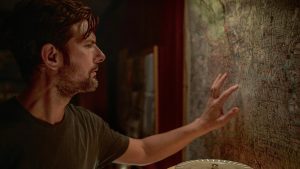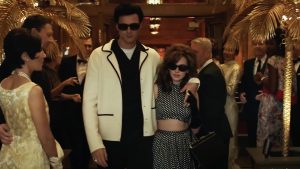

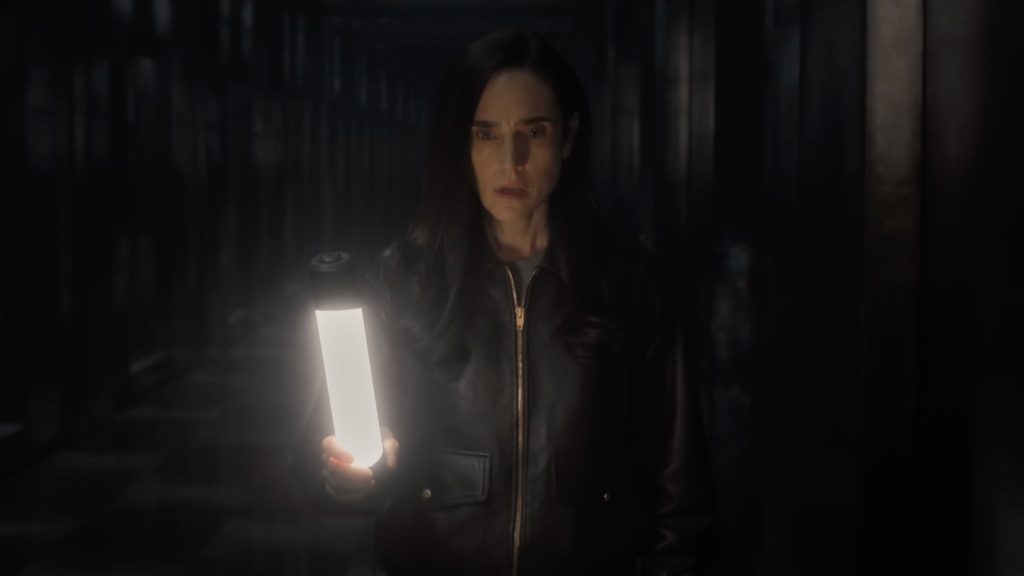
After being forced to flee their own world to escape hundreds of Jason (Joel Edgerton) variants, the Dessen family search the multiverse for a new plane of existence to call home.
Streaming on: Apple TV
Episodes viewed: 10 of 10
Anyone who’s lingered at a restaurant until the staff, already sweeping the floors, aggressively turn the house lights up, will know all too well that there’s such a thing as outstaying your welcome. Blake Crouch’s 2024 Apple TV series Dark Matter — adapted from Crouch’s own 2016 novel — told a self-contained story of one man’s struggle to find his family after being abducted by an alternate version of himself. With a clear narrative through-line, it offered a multiversal rumination on the road not taken, padding the novel somewhat to stretch over nine episodes, before ending on the same bittersweet note: a family reunited but forced to flee their world, cast into a void of infinite possibility with no North Star to guide them. An open-ended conclusion, to be sure, but a satisfying one nonetheless.
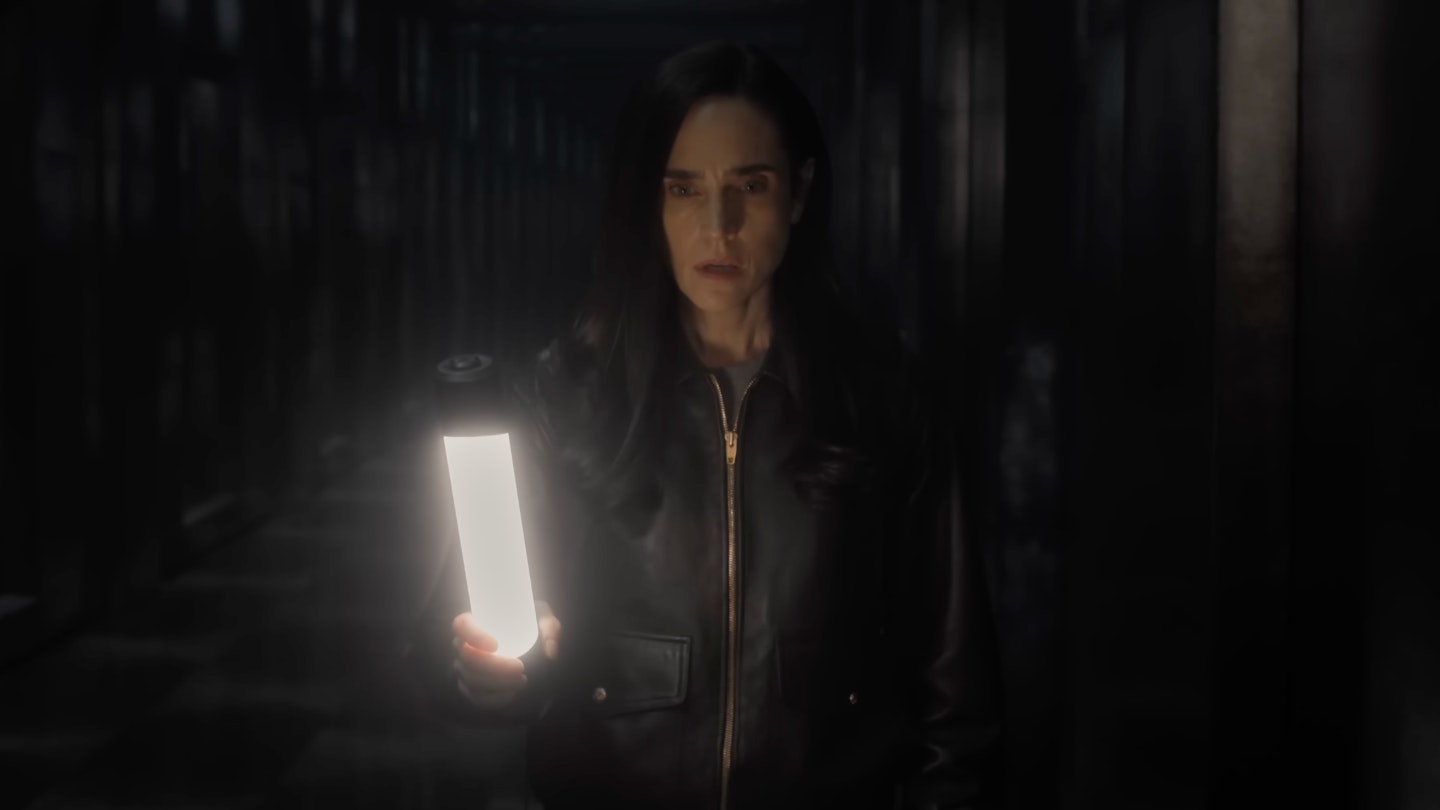
Had the author signed away the rights, we might dismiss this speculative continuation as a cynical cash-in. But Crouch himself remains very much at the tiller, steering this story beyond his own final page while co-writing each episode alongside Jacquelyn Ben-Zekry. He picks up here precisely where he ended, with Jason Dessen (Edgerton) faced with countless versions of himself, all intent on being reunited with ‘their’ family. And so he, his wife Daniela (Jennifer Connelly) and son Charlie (Oakes Fegley) step into the trans-dimensional box, walk the corridor between worlds and leave their own behind.
It’s a bold sideways move, shelving adventures in the multiverse in favour of a far quieter, more introspective rhythm…
A more obvious follow-up might have returned to the Sliders format that punctuated much of Season 1, with the protagonists skipping between increasingly deranged and dystopian visions of 21st century Chicago. However, while there are a few false starts (Tech World rumbles them instantly with billboard-based facial recognition, Tornado World blows), the Dessens quickly stumble across what seems the perfect destination: a Luddite Earth with no computers, no internet and no sign of their alternate selves. And so, rather than explore the far corners of reality itself, they attempt to build a new, more mundane life in a place forever denied the digital revolution — That ’70s World, if you will.
It’s a bold sideways move, shelving sci-fi adventures in the multiverse in favour of a far quieter, more introspective rhythm as Jason, Daniela and Charlie finally stop and take the time to reckon with the trauma of everything that’s happened to them. It may sound deathly dull compared to the propulsive nature of the first season’s narrative, but the result is a surprisingly compelling, character-led arc. Daniela tries to reconcile memories of her abusive childhood with a newfound wariness of her husband, relying on secret passwords and identifying tattoos to continually convince herself it’s really him. Meanwhile, Jason’s obsession with the box still haunts him, and with it a festering insecurity over his alternate self’s achievements that drives an increasingly wide wedge into the cracks of his marriage.
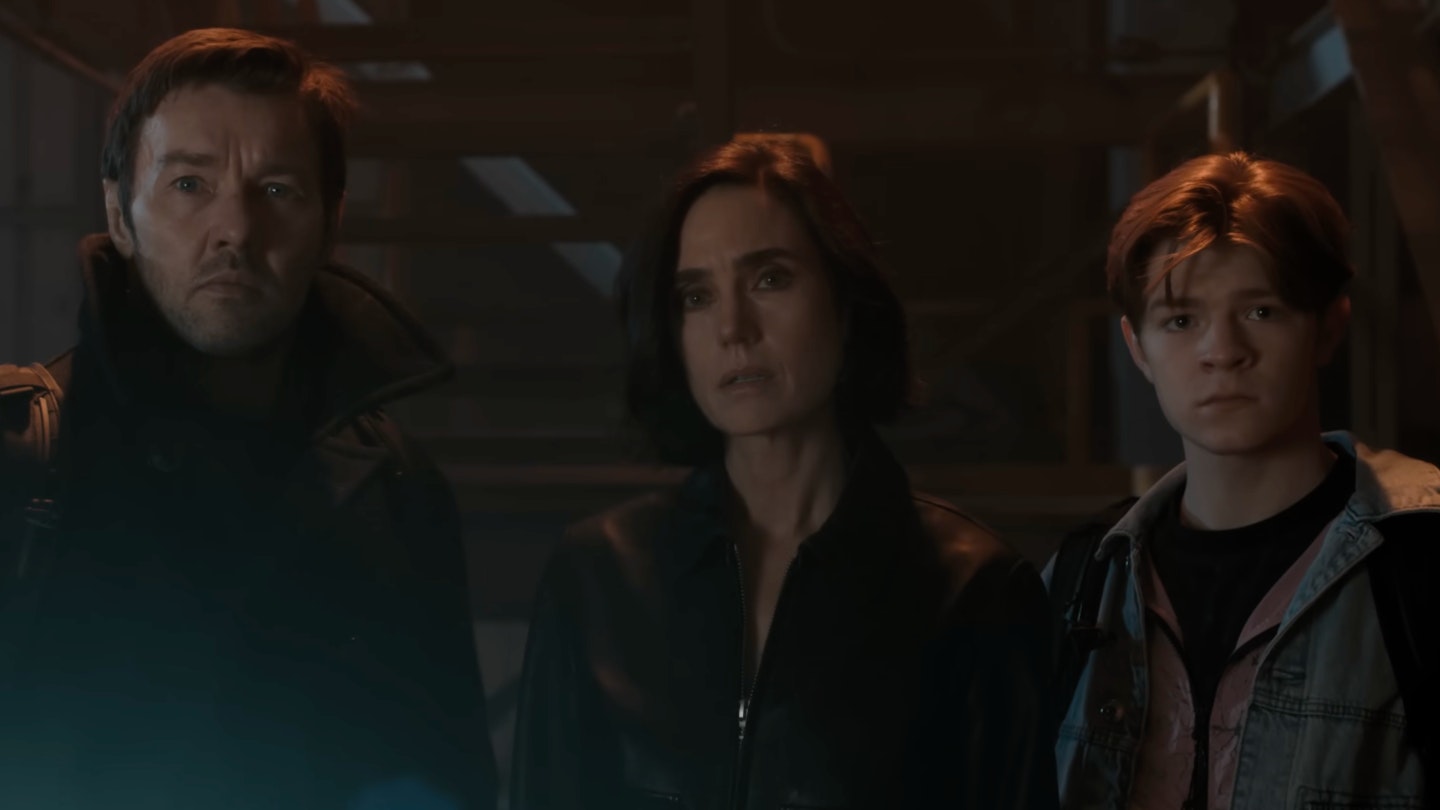
It’s not all family drama and self-reflection this time around, though. Those looking for shadowy conspiracies and dimension-hopping exploits are also well-served as Jason’s former colleagues Amanda (Alice Braga) and Ryan (Jimmi Simpson) are themselves catapulted back into the multiverse, while ruthless billionaire Leighton Vance (Dayo Okeniyi) scours different realities in the hopes of constructing a perfect world. Meanwhile, Chris Diamantopoulos joins the cast as, variously, a ’70s World P.I. and a ruthless Homeland Security agent, unravelling the mystery of why hundreds of Jason Dessens have suddenly turned up in the original Chicago.
All of these strands combine to form a story that, while certainly more deliberately paced, ends up deeper and more thought-provoking than the first. Less concerned with missed opportunities and fulcrum events, this instead explores the nature of contentment and expectation and whether it’s ever possible to be truly happy in your lived reality when infinite alternatives wait just out of sight (the Hinge Paradox?). As viewers, it’s gratifying to finally get under the skin of these characters, though, surprisingly, the season high points don’t feature them at all. Two masterful capsule episodes — one following a Jason variant as he attempts to carve out his own existence, trading in quantum physics for artisanal hand-made chairs; another featuring Margo Martindale as the keeper of a trans-dimensional B&B — serve as a pair of beautifully crafted mini parables that, perfectly placed, serve to emphasise the season’s underlying humanity.
Lacking the simple narrative hook of the first story, this second chapter might have ended up feeling both unnecessary and unfocused, but just as The Leftovers truly found its feet — and a markedly different tone — once it stepped out from beneath the shadow of Tom Perrotta’s novel, so Crouch’s story flourishes here with a new, more meditative pace and a vibrant inner life.
A thoughtful, if unexpected continuation of the story, this second season takes a bold step into the unknown, delivering something different but altogether more satisfying.