
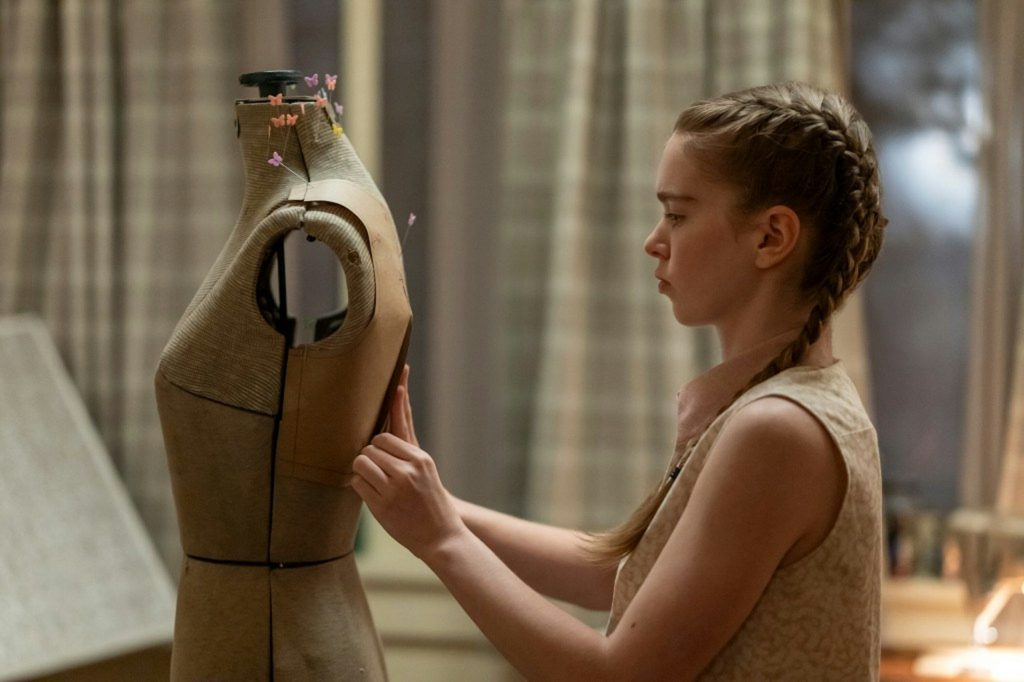
New to school, Carrie White (Howell) is harangued by Chris (Thornton) and other mean girls. But she has secret powers…
Streaming on: Prime Video
Episodes viewed: 8 of 8
Mike Flanagan’s Carrie opens with Ewen High School on fire. The town of Chamberlain, Maine, is an inferno. Two hundred dead. Later on, high-school student Sue Snell (Siena Agudong) says to the authorities, “You think you know what happened at prom?”
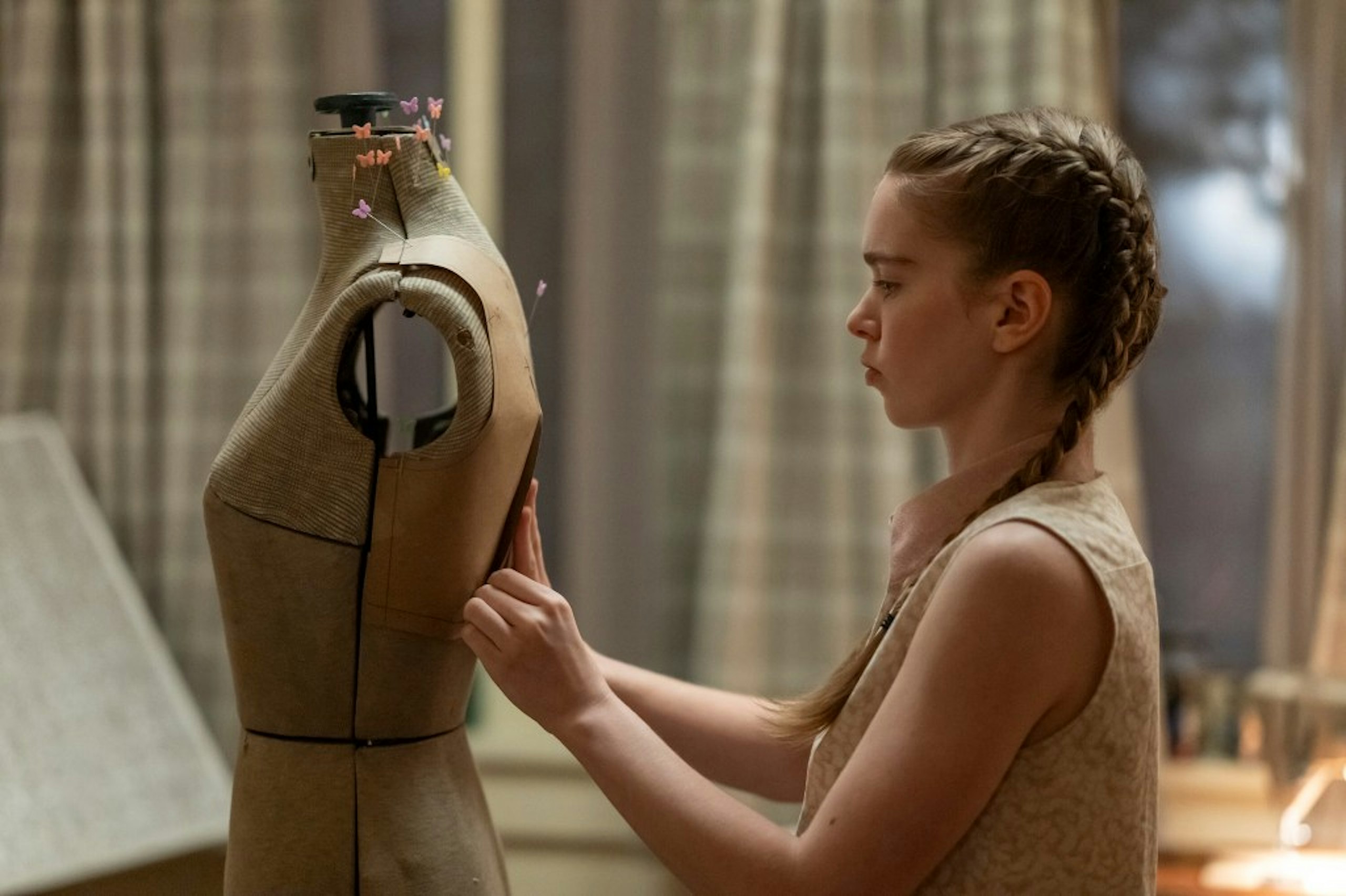
We all know what happened at prom, right? Stephen King’s debut novel and Brian De Palma’s pyrotechnic adaptation are part of pop culture; even those who ‘don’t do horror’ are familiar with the sad, scary tale of bullied teen Carietta White and how she unleashes her telekinesis to exact raging revenge on her peers. But anyone who’s followed Mike Flanagan’s career will also know how he likes to take revered texts — Shirley Jackson’s The Haunting Of Hill House, Edgar Allan Poe’s The Fall Of The House Of Usher — and use them as a leaping-off point.
Summer H. Howell’s Carrie is impossible not to care for
Carrie is the same, with showrunner Flanagan embroidering King’s novel at every twist and turn. The unstoppable momentum and sense of tragic inevitability remain intact, but now there are additionally complicated relationship dynamics, entirely new characters, and supplementary sub-plots.
As Carrie, startling newcomer Summer H. Howell is not the clenched, frightened hero that Sissy Spacek played, but a bright, curious girl made alien by her kindness. Her religious mama Margaret (Samantha Sloyan) is a fiercely loving mother who’s trying to protect her daughter. Chief bully Chris (Alison Thornton) is a (prom) queen bee with a truly vicious sting, but she’s also impossible not to care for as her life implodes and she directs all of her cruel anger at Carrie.
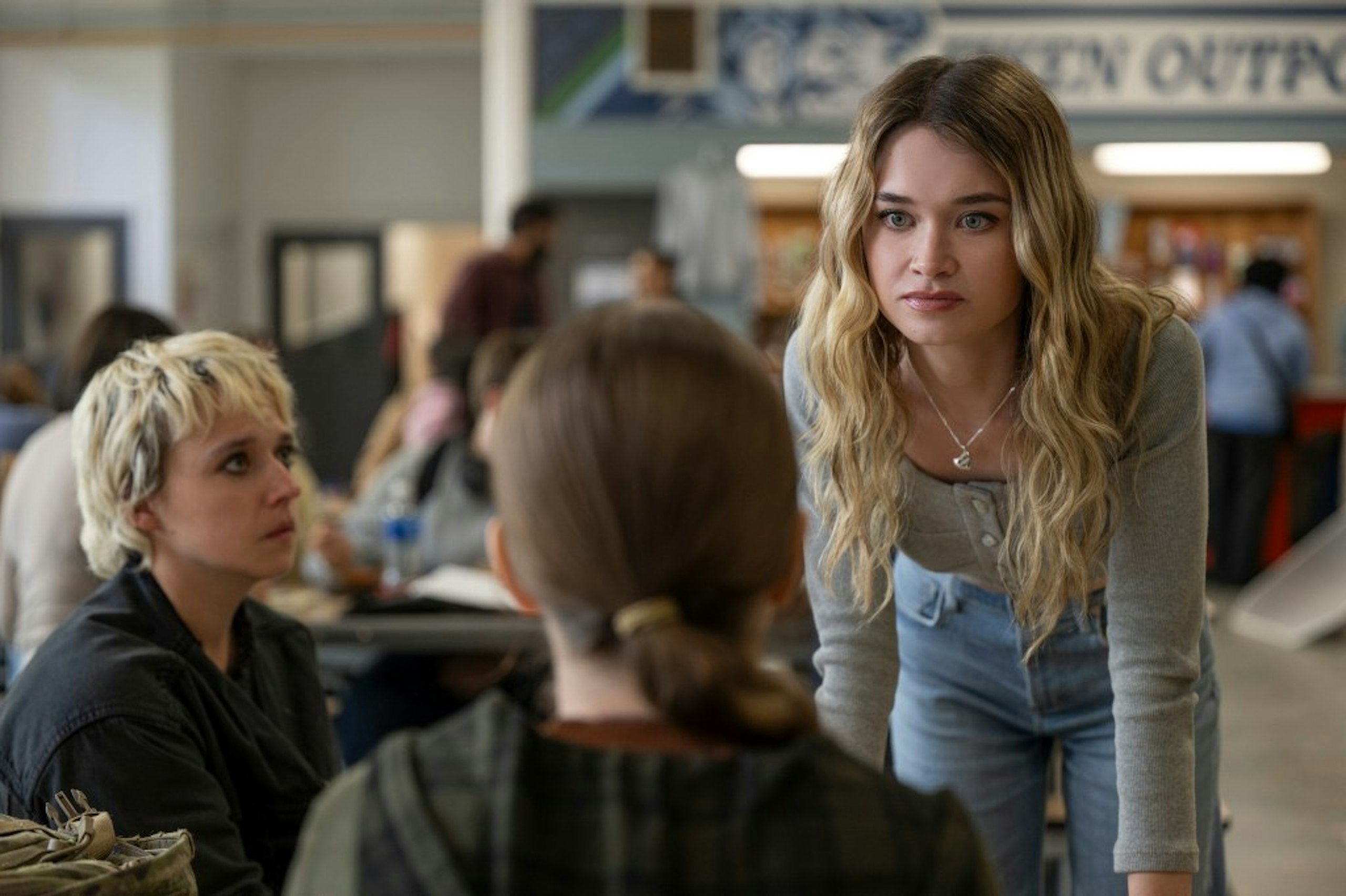
Does everything work? The efforts to widen and deepen the story by locating Carrie’s condition within the historical context of gifted women who have been wronged feels a little try-hard, and there’s one particular sub-plot, haunting the edges of the action, that reeks of a set-up for a second season. The prom scene, meanwhile, inevitably falls short of De Palma’s dazzling mix of suspense, giddy emotion and explosive technique.
And yet Carrie remains a remarkable triumph, Flanagan transposing King’s classic tale to a modern high school where mass-shooting drills are routine, and where every jibe, assault and barbaric practical ‘joke’ are captured on camera to be uploaded. “Things are going to change,” mutters Carrie as she harnesses her powers, seeking out vacant lots to levitate objects and make broken-down cars go kaboom, like some trainee superhero. Well, Carrie ain’t kidding. Things do change, frequently and fundamentally, in this resourceful, affecting series. And as Flanagan has proved before, change can be good.
Flanagan offers a strikingly fresh, superbly acted version of King’s story, with enough ideas and nuance to fill a high-school gymnasium.