

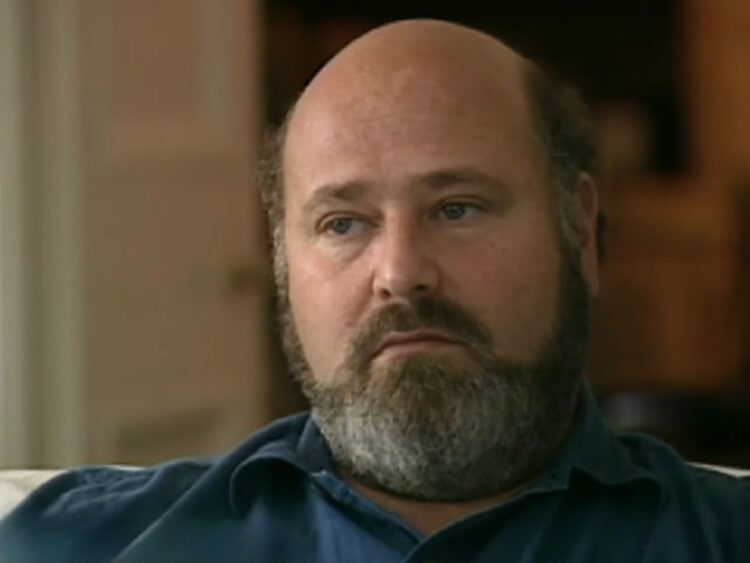
This morning’s shocking news that legendary American filmmaker Rob Reiner has died at the age of 78 brought with it a tidal wave of emotions. Grief for the life that was lost. Confusion at the suddenness and senselessness of his passing. And a deep, abiding gratitude for the immense body of work that Robert Norman Reiner has left in our care, ensuring that we will continue to remember the man and his movies for generations to come.
As we here at Empire HQ have been reflecting on our favourite movies and moments from Reiner’s illustrious career, we’ve been struck anew by the incredible seven movie run — from This Is Spinal Tap in 1984 to 1992’s Oscar-nominated A Few Good Men — that has not only come to define Rob Reiner’s career, but also an era and a moment in cinema history where it truly felt like anything was possible. Many filmmakers would do anything to be able to say that they’d made one of the greatest coming-of-age movies of all time, or one of the greatest rom-coms of all time, or one of the greatest courtroom dramas of all time. Rob Reiner did all three — and more — in an unparalleled eight year run that has become the stuff of Hollywood legend.
And so, as we remember Rob Reiner tonight, please join Team Empire as we take a trip down memory lane and revisit each of those seven singular wonders of the cinematic world. Shall we crack on then? As you wish…
This Is Spinal Tap (1984)
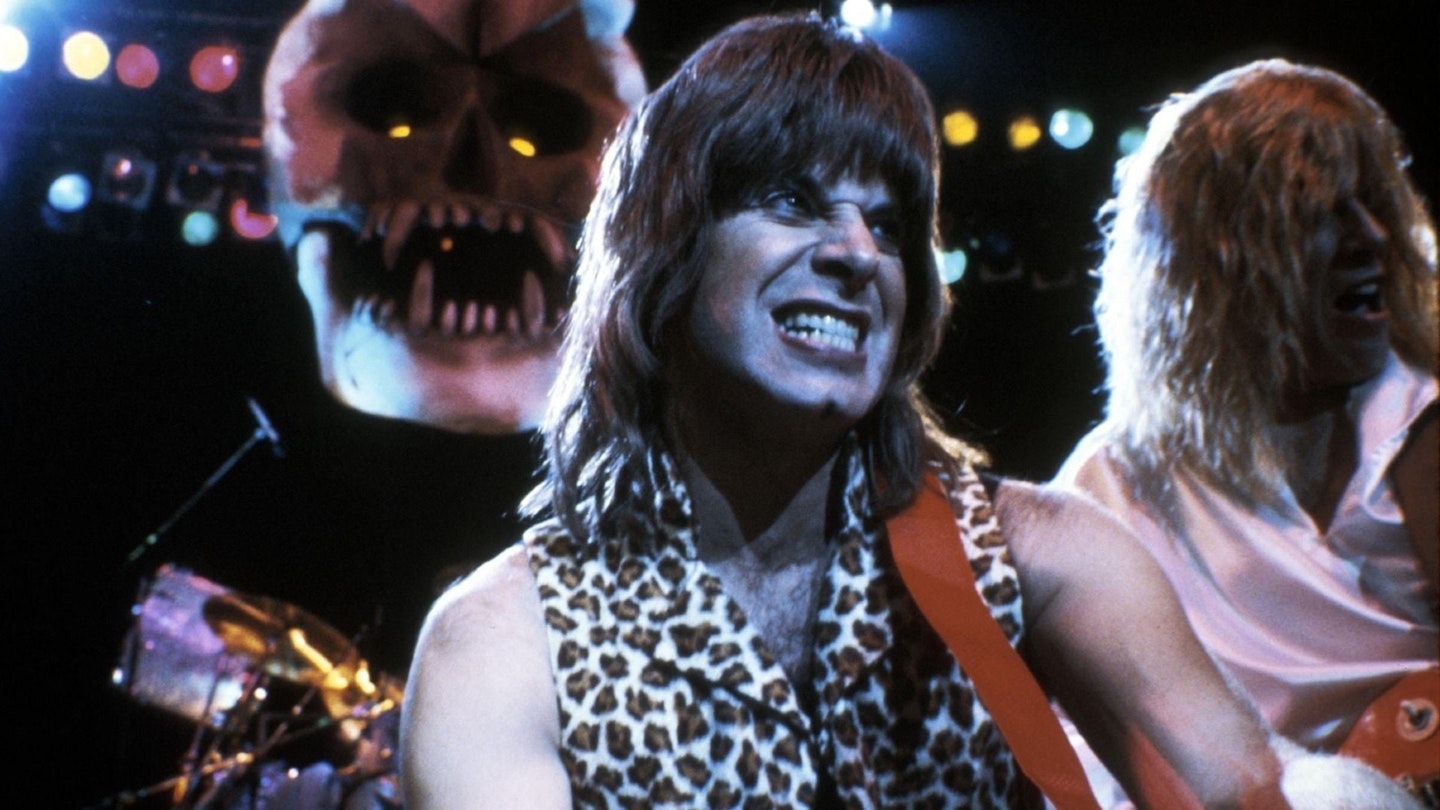
©This Is Spinal Tap
It’s quite a flex, straight out of the gate, to direct one of the most influential, definitely one of the most quoted, and absolutely one of the funniest films of all time. Following the misfortunes of the world’s most hapless heavy-metal band on a disastrous US tour, with Reiner’s affectionate but probing director Marty DiBergi in tow, This Is Spinal Tap is a masterclass in moronism. The mockumentary format itself – especially when done this convincingly (many people at the time thought it was a documentary about a real band) – inspired everyone from Ricky Gervais and Stephen Merchant to Paul Thomas Anderson (who was obsessed with it, making Boogie Nights predecessor The Dirk Diggler Story in the same style). It’s astonishing how the film is at once ridiculously broad and gobsmackingly naturalistic – to all intents and purposes, this is a real band. This is Spinal Tap. And that was Rob Reiner. A comedy genius – let alone the rest. AG
The Sure Thing (1985)

Sure Thing , The ©TMDB films 8992
While The Sure Thing may generally be considered the weakest of Rob Reiner’s impossible run of success through the ‘80s and into the ‘90s, that’s very much grading on an impossible curve. By any normal standard, this is a sparky, smartly-written teen comedy with lots to say about people navigating their first rounds of dating and love. It sees Reiner making a superb casting choice in the shape of a young John Cusack, who was still only 16 when he was cast as a sex-hungry college student. And it’s a rare ‘80s teen movie where the female lead, Daphne Zuniga’s Alison, has her own desires and priorities as she reluctantly travels across country with Cusack’s Gib, who’s on the hunt for a “sure thing” — a girl who’ll sleep with him on the first date. Their bickering and animosity gives way to something else, but it feels more earned and more natural than many of its contemporaries. HOH
Stand By Me (1986)
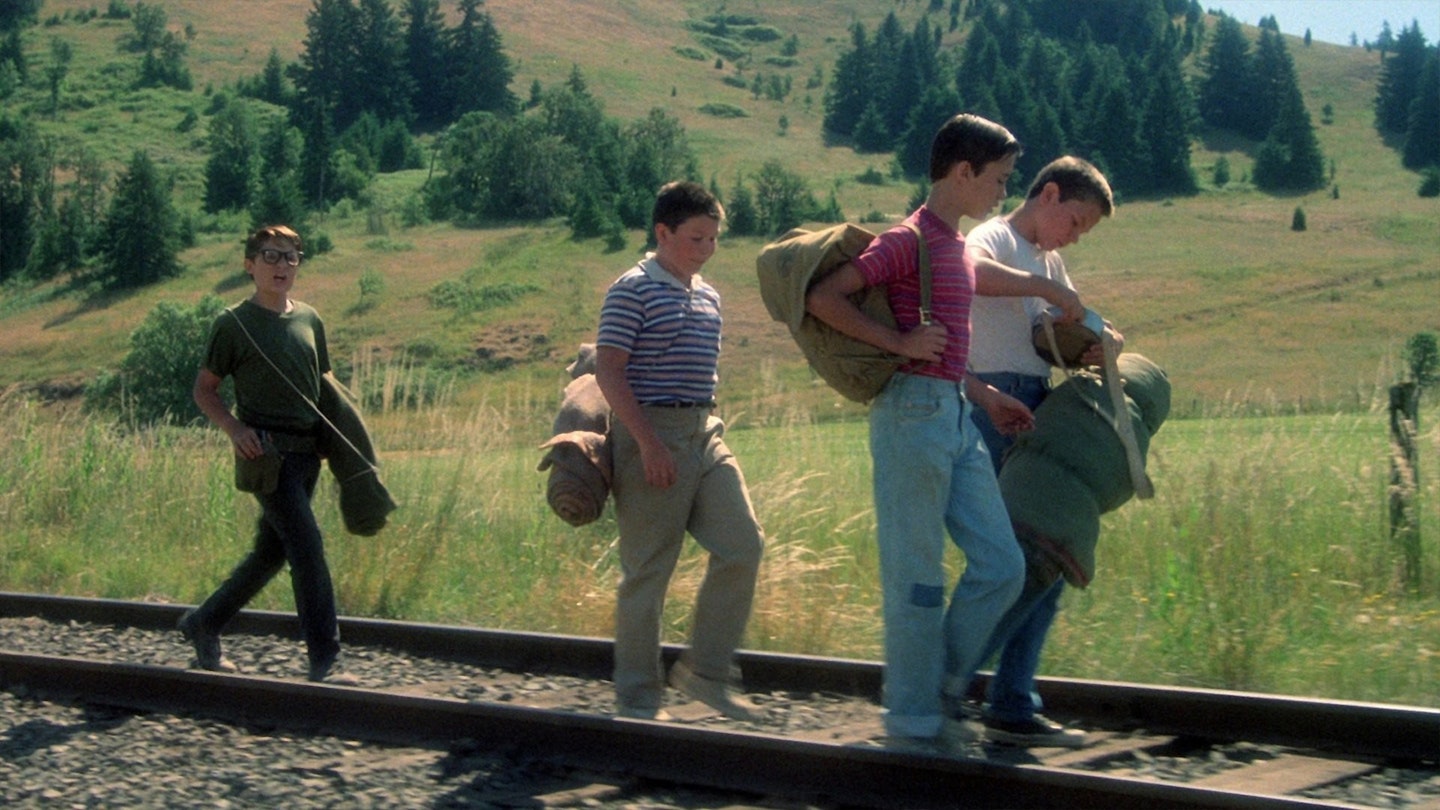
Adapting Stephen King’s semi-autobiographical novella The Body, Rob Reiner connected deeply with this tale of four pre-teen pals — bad-boy Chris (River Phoenix), sensitive, wannabe writer Gordie (Wil Wheaton), eccentric prankster Teddy (Corey Feldman), and picked-on Vern (Jerry O’Connell) — hiking up 30 miles of train track to see a dead kid. Like Gordie, Reiner was 12 years old in 1959, when the action takes place, and similarly felt like “the invisible boy” at home, his comedy god dad Carl Reiner (The Jerk, All Of Me) embroiled in work or away on film sets. Well, Stand By Me allowed son to escape father’s shadow. Sure, it’s a warm, endlessly quotable and funny-as-hell adventure, but it also sees Reiner migrate from the outright comedy of This Is Spinal Tap and The Sure Thing to excel in dramatic, plaintive coming-of-age territory. Stand By Me deals with loneliness, grief, the loss of innocence. And leeches hanging from your balls. JG
The Princess Bride (1987)
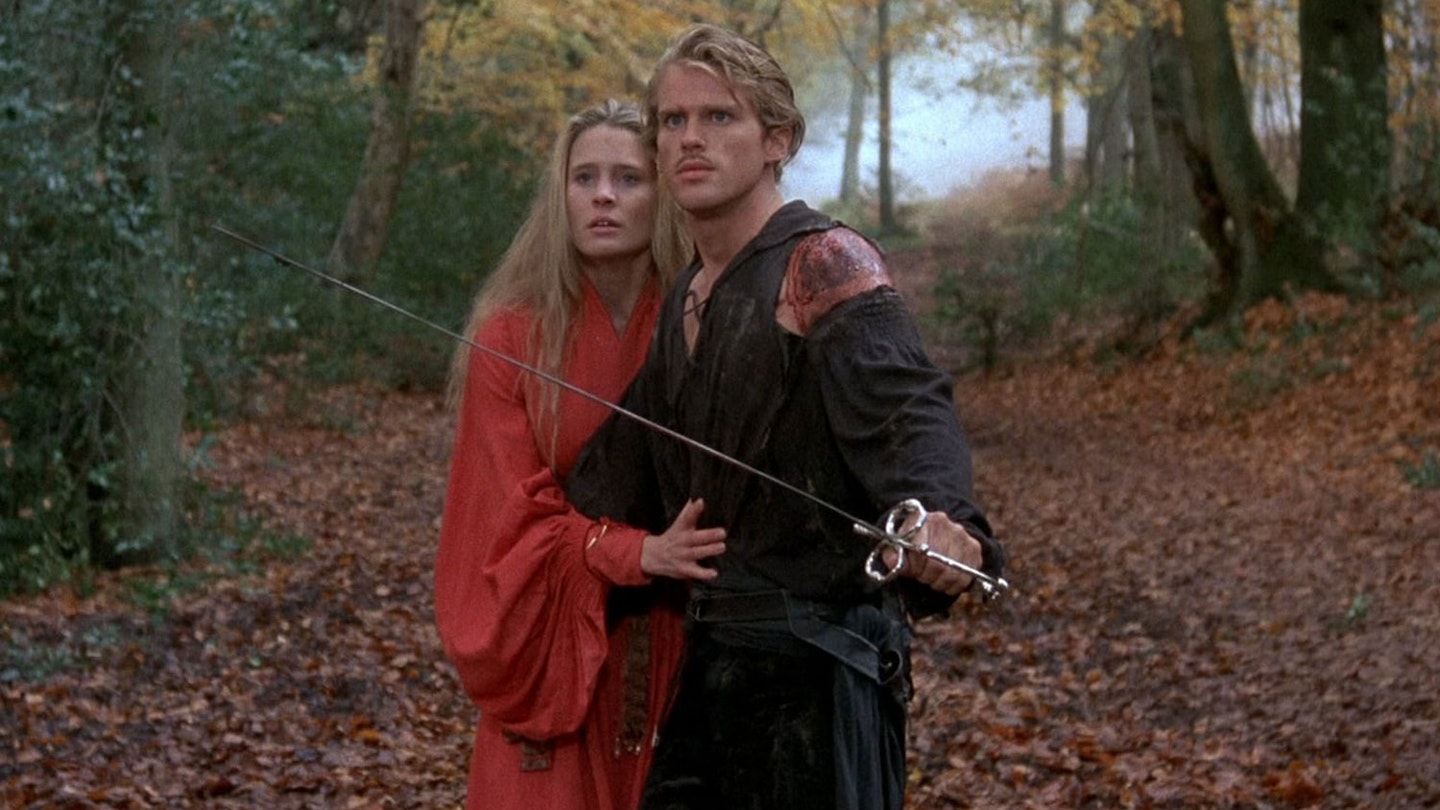
No one knew what to make of The Princess Bride on release, and maybe that’s because it’s everything at once. It’s a comedy, an adventure, a romance, a fantasy, a spoof, a Christmas movie, a family drama, and at times damn near a horror. Many had previously tried to bring William Goldman’s witty novel to the screen, but it took Reiner’s sure grasp of comedy, character and casting to bring it all together. The framing device, of a grandfather (Peter Falk, faultless) telling a fairytale to his poorly grandson (Fred Savage), allows Goldman and Reiner to step out of the adventure and commentate anytime it threatens to become too saccharine or scary, but the romance itself is eternal — and the supporting cast (Mandy Patinkin, Wallace Shawn, Billy Crystal, Peter Cook, etc etc) never bettered. It has a heart as big as Andre the Giant but an even bigger sense of fun. It took a while to get to the screen, but what emerged was a miracle — and you can’t rush a miracle. HOH
When Harry Met Sally… (1989)
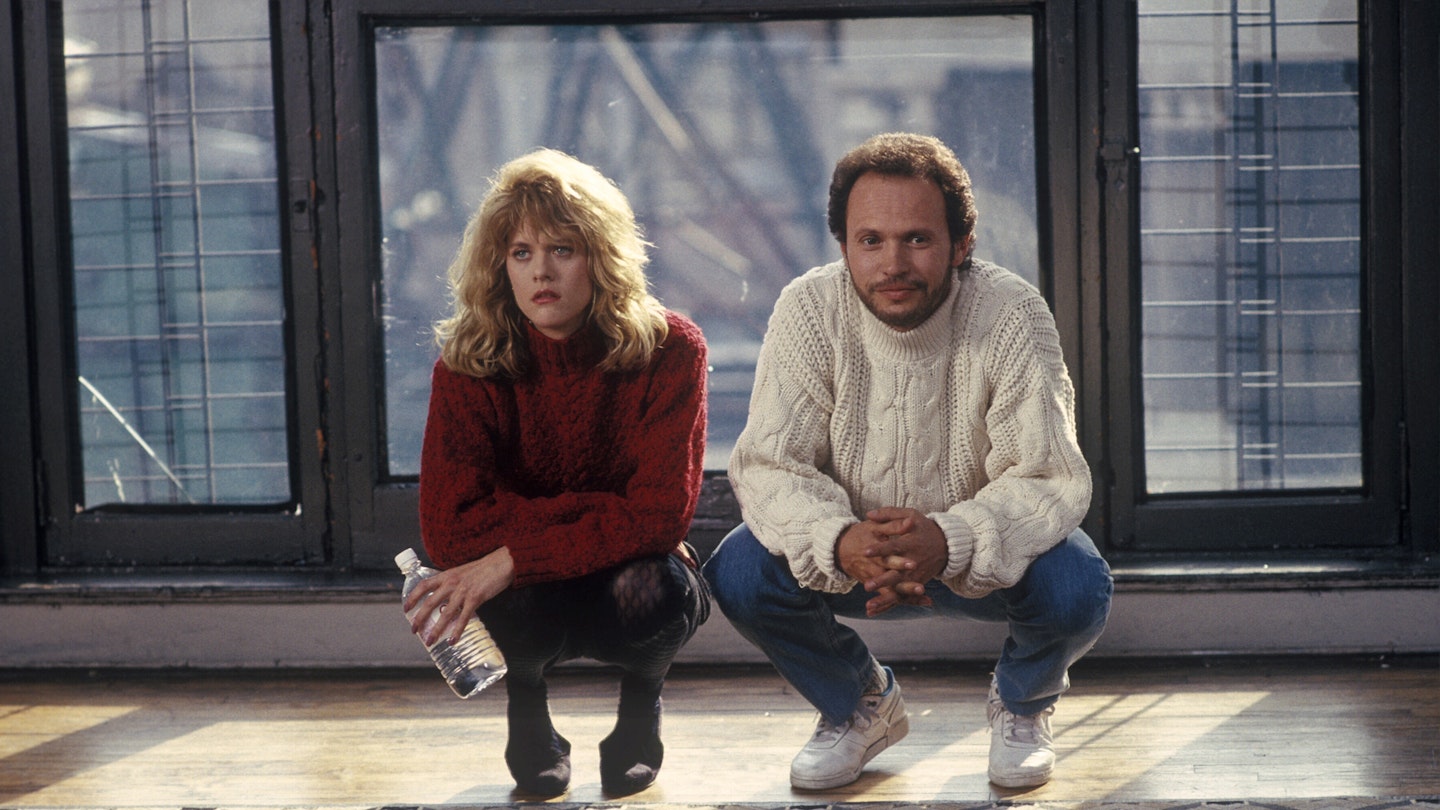
Reteaming with Billy Crystal for the third time (forget not that Crystal played the “Mime is money” guy in Spinal Tap), Reiner hit the rom-com jackpot with When Harry Met Sally… In fact, Harry could have been played by Tom Hanks, Richard Dreyfuss or Albert Brooks, while prospective Sallys included Molly Ringwald and Debra Winger (as legend has it, Meg Ryan’s audition ended with Reiner proclaiming, “It’s her part. Cancel everything else”). The final cast was perfection, from Bruno Kirby and Carrie Fisher as the wise best friends, down to Reiner’s mum Estelle as the diner patron who utters the immortal words, “I’ll have what she’s having.” But frankly Reiner nailed every single element, from the crisp autumnal look to the breezy tone (Nora Ephron’s tart screenplay was in the safest of hands) to the feelgood ending, changed at the last moment by the love-struck director, who had just met his soon-to-be-wife Michele. A movie that, once seen, you’ll want to spend the rest of your life with. NDS
Misery (1990)
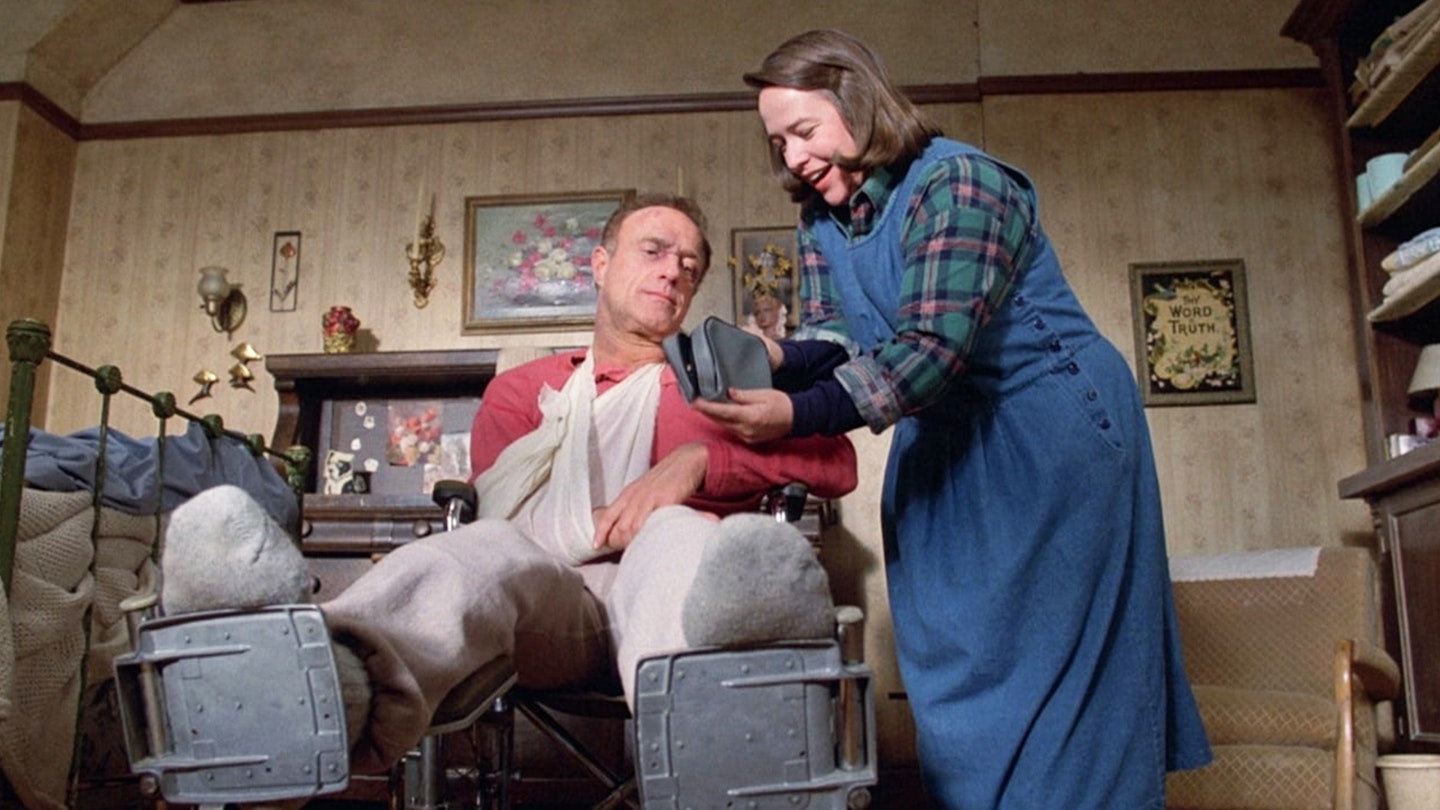
How do you follow up When Harry Met Sally? Why, with When Annie Met Paul, of course. Stephen King had already had a huge impact on Reiner’s resumé, giving him both Stand By Me and the inspiration for the name of his production company, Castle Rock Entertainment. And Reiner returned to the King for a film that, at that point, was the most left of leftfield turns in a career that, even as it skipped around genres, had been largely rooted in comedy. Misery is anything but. Granted, it does have its fair share of blackly comedic moments, but the howls Reiner was looking for from his audience were of terror, not hilarity. Taut and tense as hell, William Goldman’s screenplay was further proof that Reiner was one hell of an actor’s director. It’s beautifully performed by Caan and Bates, who deservedly won the Best Actress Oscar for not only frightening the life out of audiences, but for imbuing Annie with unexpectedly sympathetic qualities. And the hobbling scene, in which Annie rearranges Paul’s ankles in a manner not recommended in the manual, remains one for the ages. Misery is anything but. CH
A Few Good Men (1992)
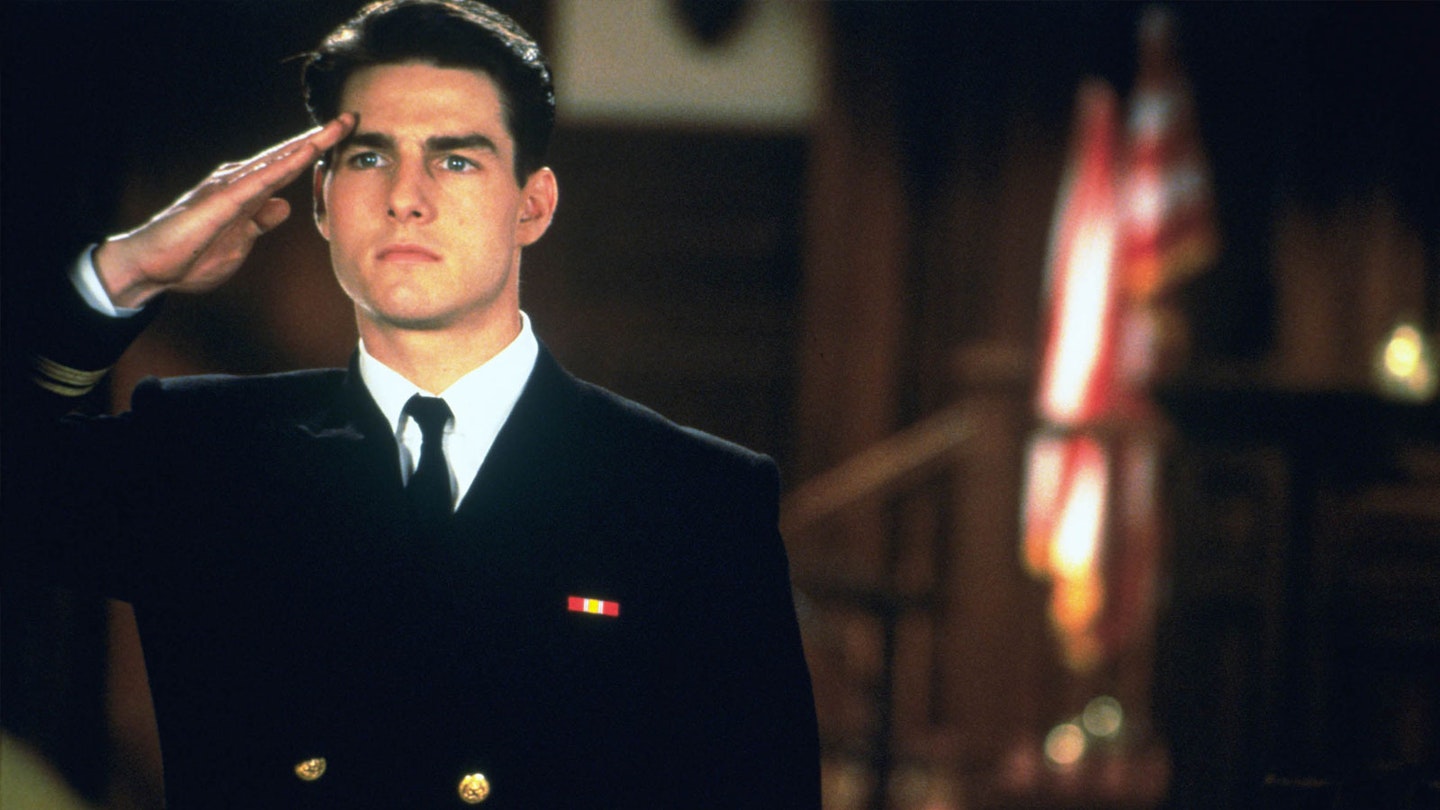
Aaron Sorkin’s Tony-winning play, famously written on the back of cocktail napkins while he was bartending at a broadway theatre, provided Reiner with the most commercially successful film of his career. While best known for Jack Nicholson’s thunderous courtroom outburst (“You can’t handle the truth!”), A Few Good Men is a masterfully constructed courtroom drama that wrestles with such knotty military matters as misdirected valour and the Marine Corps chain of command (Unit, corps, God, country). Nicholson was infamously paid $500,000 a day to steal the show as growling Colonel Nathan Jessep, but it was Tom Cruise’s Lieutenant Kaffee that drew Reiner’s eye. In Kaffee, Reiner saw himself: a man wrestling with his own insecurities while desperately trying to claw his way out from the looming shadow of his father’s legacy. The story so resonated with the director that he worked with Sorkin for months on the screenplay, helping re-tool the play to better fit the movie format (some of the plot alterations even filtering back to the stage show). The result is not just a taut, morally conflicted legal barnstormer, but one that would also justly land Reiner a long overdue Best Picture nomination. JD