
Grieving landlord Mick (Martin Clunes) and his sons Cal (Jonno Davies) and Jake (James Buckley) hatch a plan to revive their ailing village pub: start a microbrewery and win a beer competition.
Thirty-seven pubs are closing a week in the UK. This sobering statistic is heard in the background in Mother’s Pride, a film about pubs, set amid a real crisis in British pub culture. Don’t expect a searing Ken Loach-esque social-realist screed on Britain’s embattled boozers, though: this is in effect a fantasy vision of the UK, a chocolate box concoction. Released just in time for Mother’s Day, it’s a none-more-cosy crowd-pleaser from the makers of Fisherman’s Friends, here replacing sea shanties with real ales. It’s nonsense — but at the very least, well-meaning nonsense.
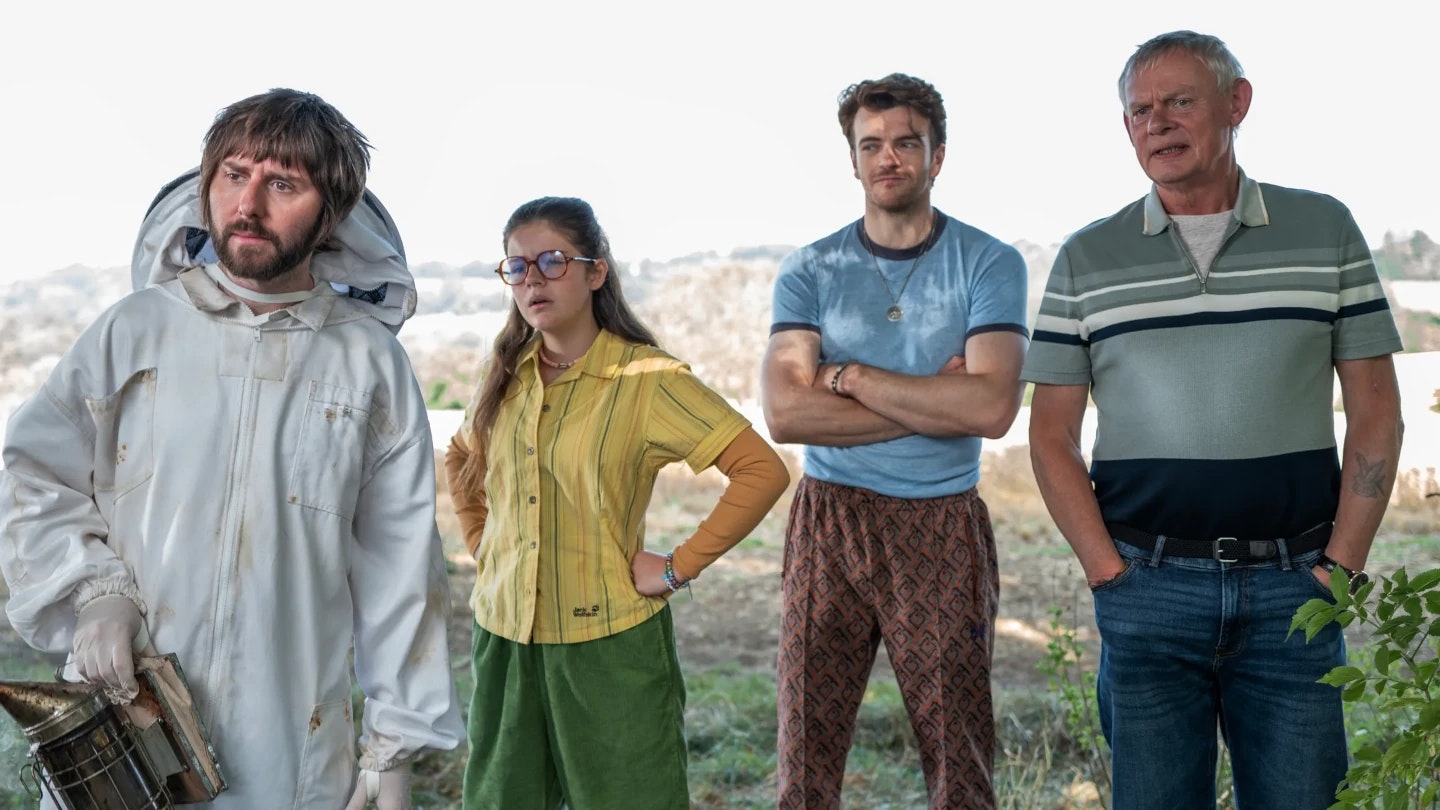
Ostensibly set in the fictional Somerset village of Birchbury — though a confusing jumble of accents, from West Country to cockney to Yorkshire, somewhat muddles things — it establishes a David-and-Goliath rivalry between two pubs. On one side of the street is the well-heeled George Inn, headed up by the villainous Pritchard (Luke Treadaway); on the other side is the struggling Drovers Arms, run by grouchy landlord Mick Harley (Martin Clunes), his loyal son Jake (James Buckley) and former one-hit-wonder pop star and returning prodigal son Cal (Jonno Davies).
In common with a lot of similar British crowd-pleasers, this is an almost defiantly unadventurous film.
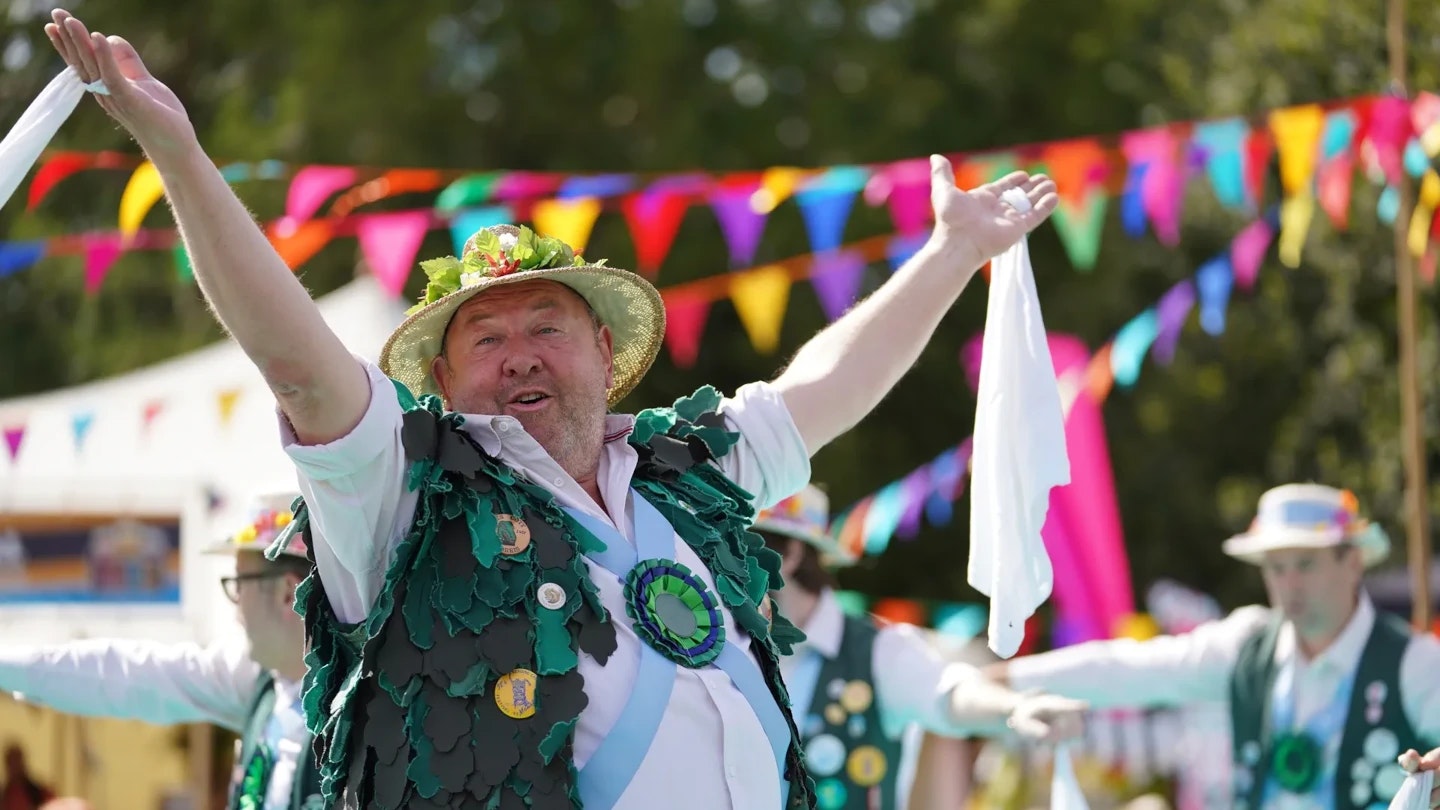
With Mick bitterly complaining in the very first scene about cyclists in Lycra, in a manner befitting of a primetime GB News show — “There ought to be a law against it!” — it sets up a film which might only be enjoyed by, say, 52 per cent of the population. But while there is a definite streak of conservatism running through it — the copious shots of sweeping green English valleys, the presence of Morris dancing, one character talking about “preserving old traditions” — this is too gentle and simplistic a tale to be explicitly political.
Where it is more conservative is in its filmmaking sensibilities. In common with a lot of similar British crowd-pleasers, this is an almost defiantly unadventurous film. The jokes here feel designed for the kind of uncles on Facebook who reshare nostalgia memes like “Who remembers proper binmen?”; gags about twerking and dogging would have felt dated a decade ago.
There are also odd, unnecessary subplots which go nowhere (we briefly visit a Crown Court as Mick is convicted of assault and given a suspended sentence, for some reason) and frequent veers into soapy melodrama (one character suffers a heart attack). In fact, for a feel-good movie, it’s surprisingly feel-bad: shame, grief, ADHD, nervous breakdowns, alcoholism, panic attacks, and suicide attempts all feature or are alluded to. Yet it is sincere to a fault. A riff on the ending of It’s A Wonderful Life is lazy but heartfelt; the spirit of community it attempts to muster is lame but commendable.
The only unforgivable element is Treadaway’s sneering bad guy Pritchard, a cartoon villain too cartoonish for actual cartoons, who snarls dialogue like, “You’re going to regret this!” from beneath a designer gilet. Pritchard is like every scowling, slick, slimy company-man character, the Paul-Reiser-in-Aliens of the piece — but it’s beyond that, beyond even pantomime, a character with no redeemable qualities whatsoever: a heel from pro-wrestling, practically putting a hand up to his ear, inviting the braying crowd to boo him. Sauron was subtler.
Pritchard aside, nothing here is too offensive: generic, yes, but unchallenging, gentle, and surprise-free. “This one’s from the heart,” announces Jonno Davies’ Cal before launching into a fairly dreary song, and you don’t doubt him. At least he would make his mother proud, you suppose.
Parochial pub-based piffle — like a pint that’s gone a bit flat. But you can’t doubt its sincerity.