
Three tales about parents and grown-up kids, set in the American Northeast, Dublin and Paris.
Jim Jarmusch’s Father Mother Sister Brother (no commas) is an exquisite three-part harmony. The bequiffed indie legend has done portmanteau pictures before — Mystery Train, Night On Earth, Coffee And Cigarettes — but this is his most affecting: a delicate, lovely portrait of the relationships between parents and kids that suggests, despite shared genes and bloodlines, that those closest to us might still be unknowable.
‘Father’ follows siblings Jeff (Adam Driver) and Emily (Mayim Bialik) visiting their eccentric dad (Jarmusch talisman Tom Waits), who they haven’t seen for two years following an ‘episode’ at his mother’s funeral. As Jeff and Emily arrive concerned about how their father lives day-to-day, it’s a mini-masterpiece of awkwardness and small talk, suggesting a wealth of family history and relationships without reverting to swathes of backstory. Like a hipster M. Night Shyamalan, Jarmusch also delivers a nifty twist in the tale.
Simple and generous towards its flawed people.
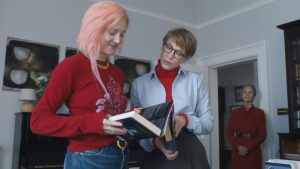
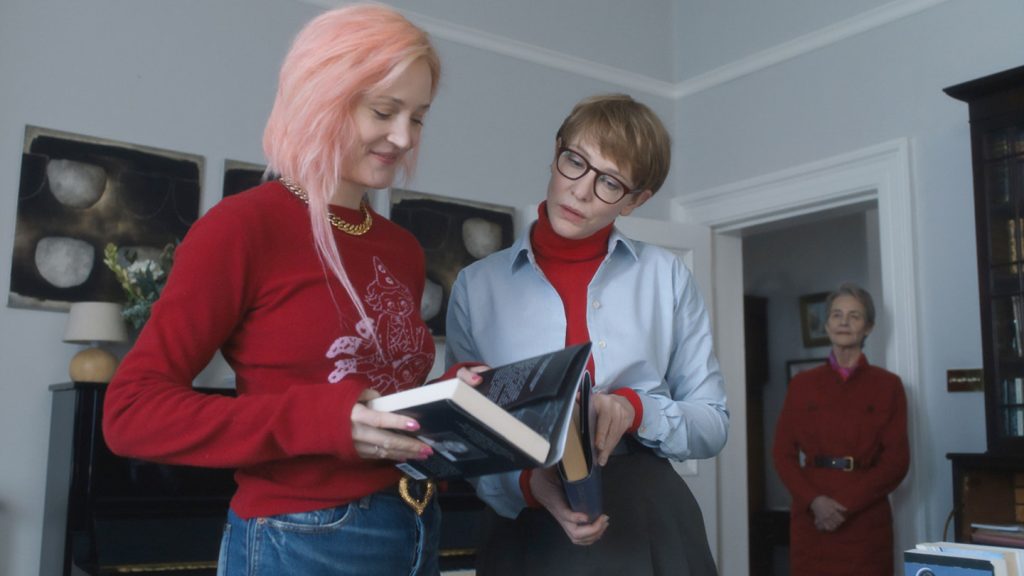
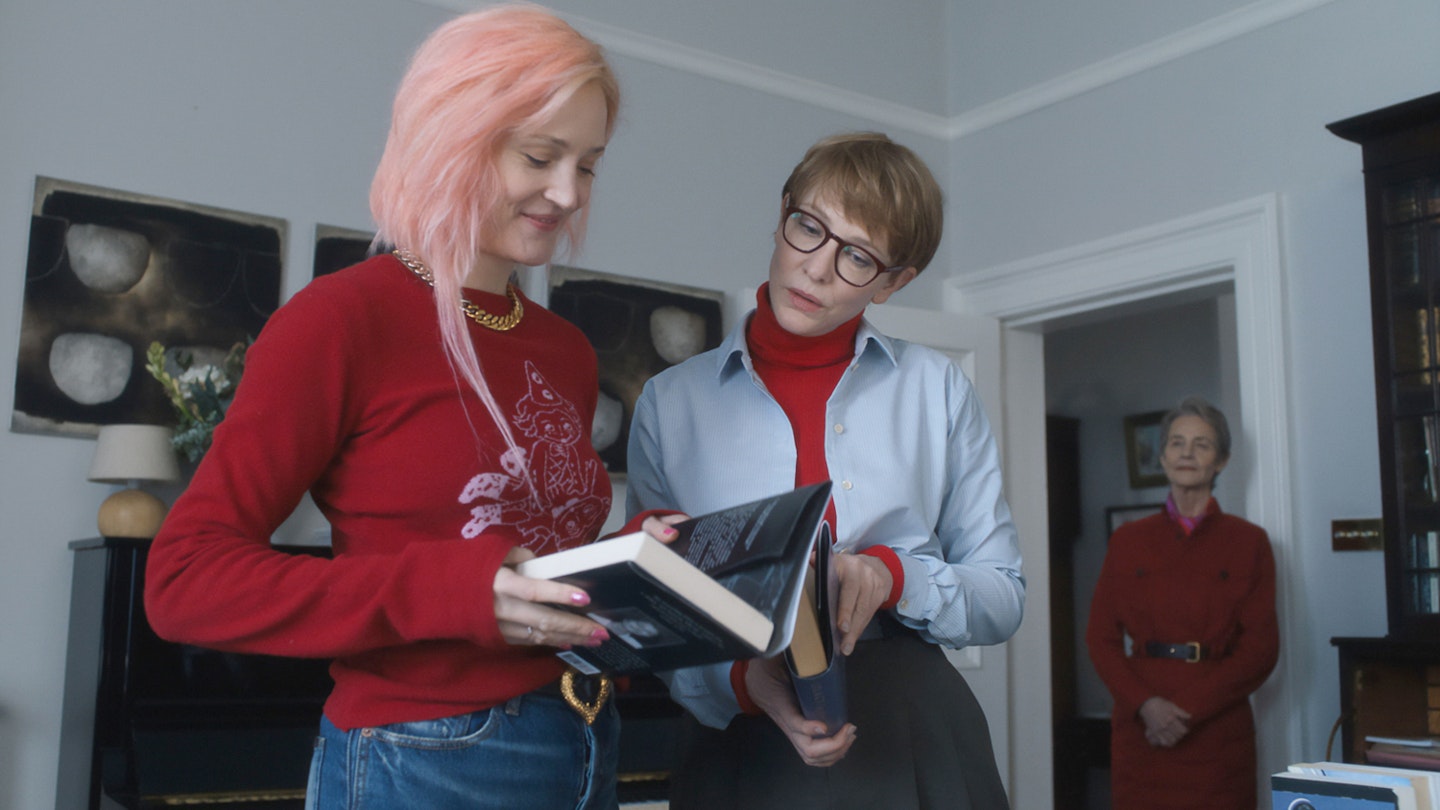
Some 4,550 miles away in Dublin, ‘Mother’ sees prim Timothea (Cate Blanchett) and black sheep Lilith (Vicky Krieps) arrive separately at the home of their novelist mum (Charlotte Rampling). It’s the annual family afternoon tea — Jarmusch drops a Hitchcockian top shot over the immaculately laid-out table — and a comedy of brittle manners unfurls over the PG Tips. (“Shall I be mother?” Rampling’s author asks, pouring the brew. “You might as well start sometime,” replies Lilith.) Never resorting to cliché, Jarmusch expertly sketches the unspoken affection between the two sisters — watch them giggle over their mother’s overwrought book titles like ‘Reckless Moonlight’ and ‘An Unfaithful Tomorrow’ — and wrings compelling plot out of ordering an Uber.
The final entry, ‘Sister Brother’, changes things up, with American twins Skye (Indya Moore) and Billy (Luka Sabbat) in Paris on one last visit to their deceased parents’ flat, a tender stroll through empty rooms and down memory lane. Perhaps because it has no present parental figure, it lacks the bite of the previous stories, but replaces it with something more heartfelt and reflective, offering a gentle reminder that the uneasy get-togethers and prickly tea parties might later feel more like wasted opportunities.
All of this is perfectly played across the board and beautifully shot. Threaded throughout each yarn are recurring motifs — slow-mo shots of skateboarders, Rolex watches, riffs on the phrase “Bob’s your uncle” (best uttered by Waits) — that are less Easter eggs, more telling reminders that, despite geographical distance, we all experience the same stuff. Simple and generous towards its flawed people, it seems the only thing bigger than Jarmusch’s hair is his heart.
Closer to the gentle humanism of Paterson than Jarmusch’s cooler, ironic output, Father Mother Sister Brother is a small-scale and singular treat.