


Boom. Another year, another 12 months of tv excellence. The best TV shows of 2025 kept us glued to the small screen from January to December – delivering instant classic new shows, the return of some firm favourites, fresh starts and bold finales. From sharply-written comedies, to tangled mysteries, to spine-tingling dramas, there’s been something for everyone – and we’ve gathered the best of the best.
This list was assembled by Empire’s experts, who have been devouring everything the streamers and traditional broadcasters alike have been offering – all voted and drawn up into the below top 20. Read the list below, and add any to your watchlist that you haven’t yet seen.
Read Empire’s best movies of 2025 here
20) Foundation: Season 3
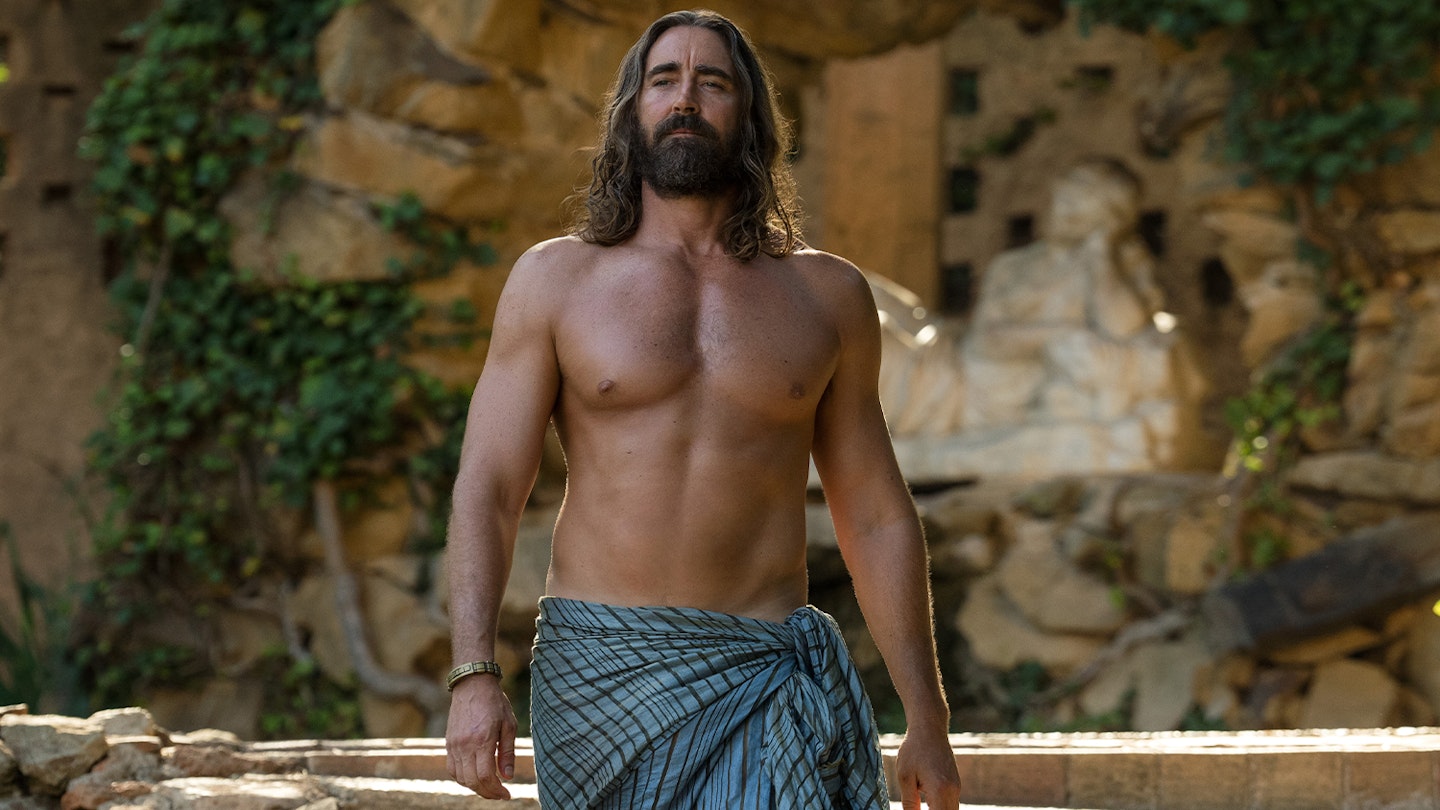
It’s important to have at leat one show in your life that’s an undemanding, easy watch. A show that you can lie back and sink into while letting your brain switch off. Foundation is not that show. The third tranche of this ambitious adaptation of the Isaac Asimov series might have seen showrunner David S. Goyer take a step back from the helm, but its quality remains undimmed. The Cleonic triumvirate begins to crumble (Lee Pace’s Brother Day going full Lebowski), Harry Seldon’s (Jared Harris) plan shows signs of fraying at the edges, and all-powerful antagonist The Mule (a delightfully maniacal Pilou Asbæk) takes centre stage. There’s even a pair of space Influencers (Cody Fern and Synnøve Karlsen) thrown in for the Gen Z crowd. This is cerebral television at its most ambitious and a mind-bogglingly complex (and compelling) work of sci-fi that deserves to be seen by everyone. Come for talk about four-dimensional objects imposing themselves on three-dimensional space, stay for Lee Pace ripped to the tits on mushrooms and kissing a ferret.
Read the Empire review of Foundation: Season 3
19) A Thousand Blows
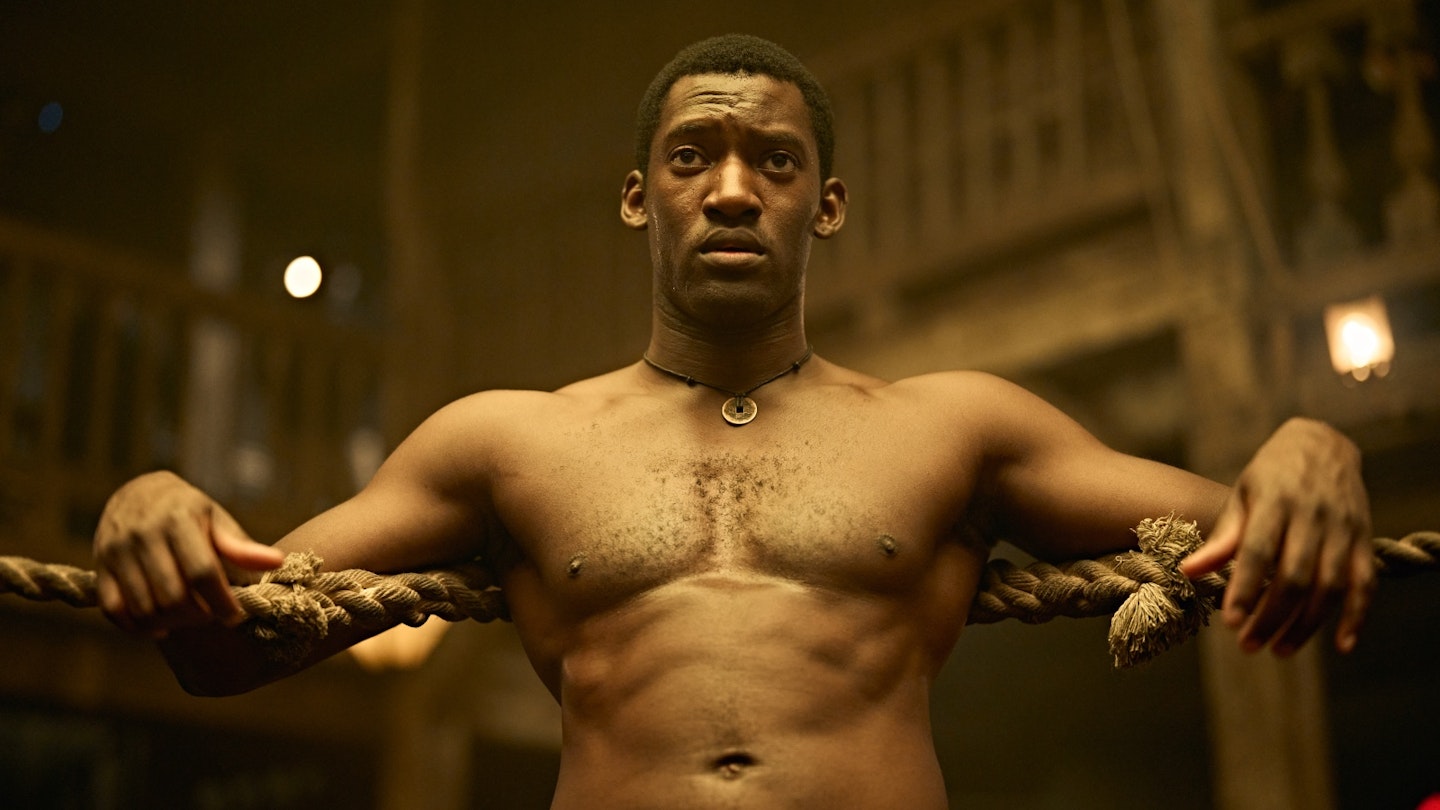
Peaky Blinders creator Steven Knight’s one-man mission to construct a potted history of working class Britain continued apace this year in this true-story-inspired Victorian boxing drama. Set amid the cobbled streets of London’s East End, Knight’s series thrillingly imagines a world in which the lives of Jamaican immigrant Hezekiah Moscow (Malachi Kirby), bare-knuckle boxer Sugar Goodson (Stephen Graham), and Forty Elephants crime syndicate leader Mary Carr (Erin Doherty) — each fascinating, real historical figures of whom we truly know vanishingly little — all intersect with explosive consequences. Brilliantly acted, astonishingly well designed, and perfectly written just within the margins of historical plausibility, it’s a total knockout. Bring on Round 2!
Read the Empire review of A Thousand Blows
18) The Bear: Season 4
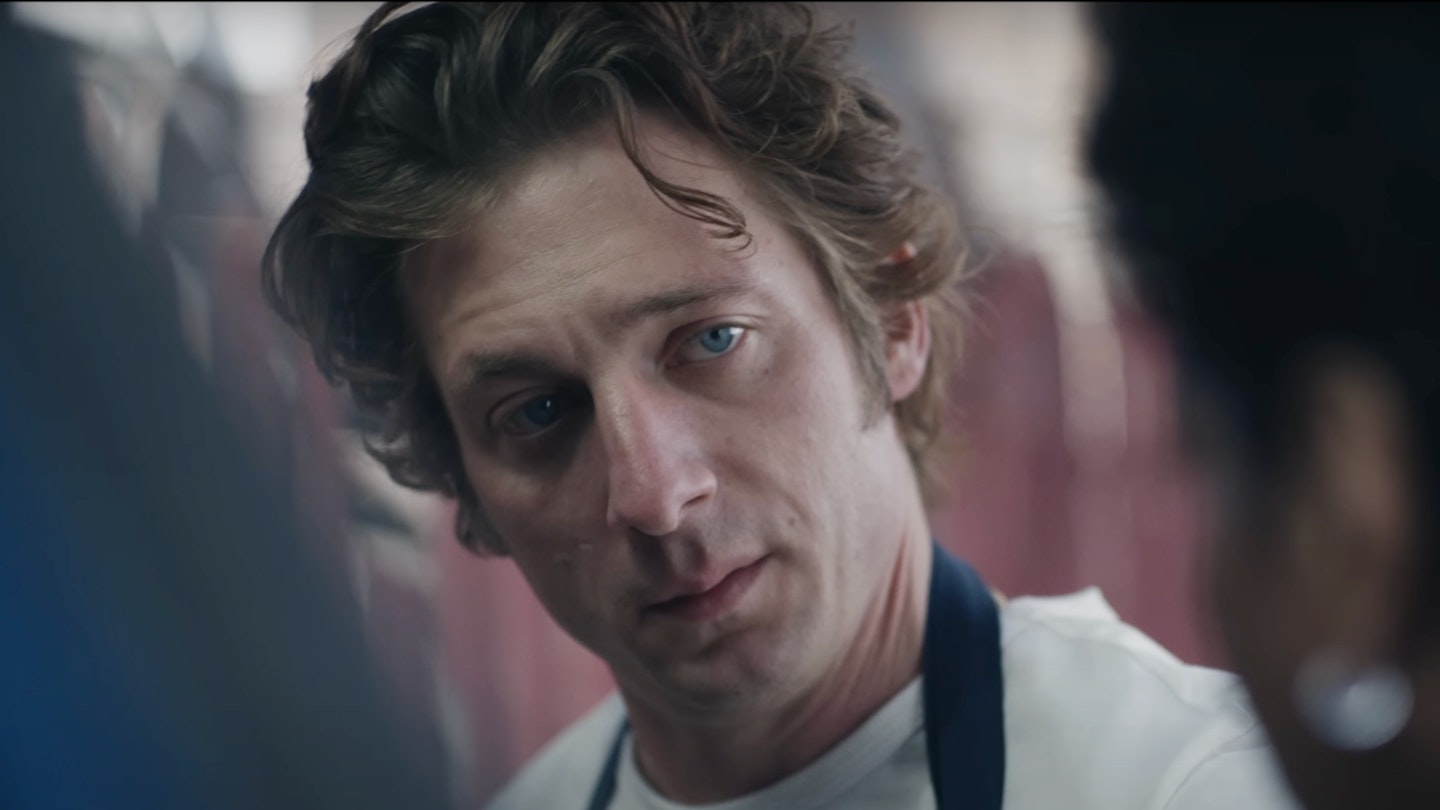
After the extended table-setting of Season 3, people started to wonder if The Bear had gone off the boil (insert other tortured food metaphors here). Thankfully in Season 4, the unwavering quality of writing, performance and filmmaker was bolstered by slightly more propulsive storytelling, and some more upbeat moments this time around; Carmy, at long last, is no longer trapped in the fridge (literally or metaphorically). There are some masterful episodes here – the Ayo Edebiri-penned ‘Worms’, in which her Sydney leaves the kitchen to look after a friend’s daughter, is a beautiful little slice of life; and ‘Bears’, the near-feature-length wedding episode, threatens to be another piece of near-unbearably tense familial arguing, until it blossoms into a great big warm hug. Hopefully this return to form continues into Season 5, with Carmy seemingly leaving the restaurant life behind. Something tells us he’ll be back cooking in no time.
Read the Empire review of The Bear: Season 4
17) Film Club
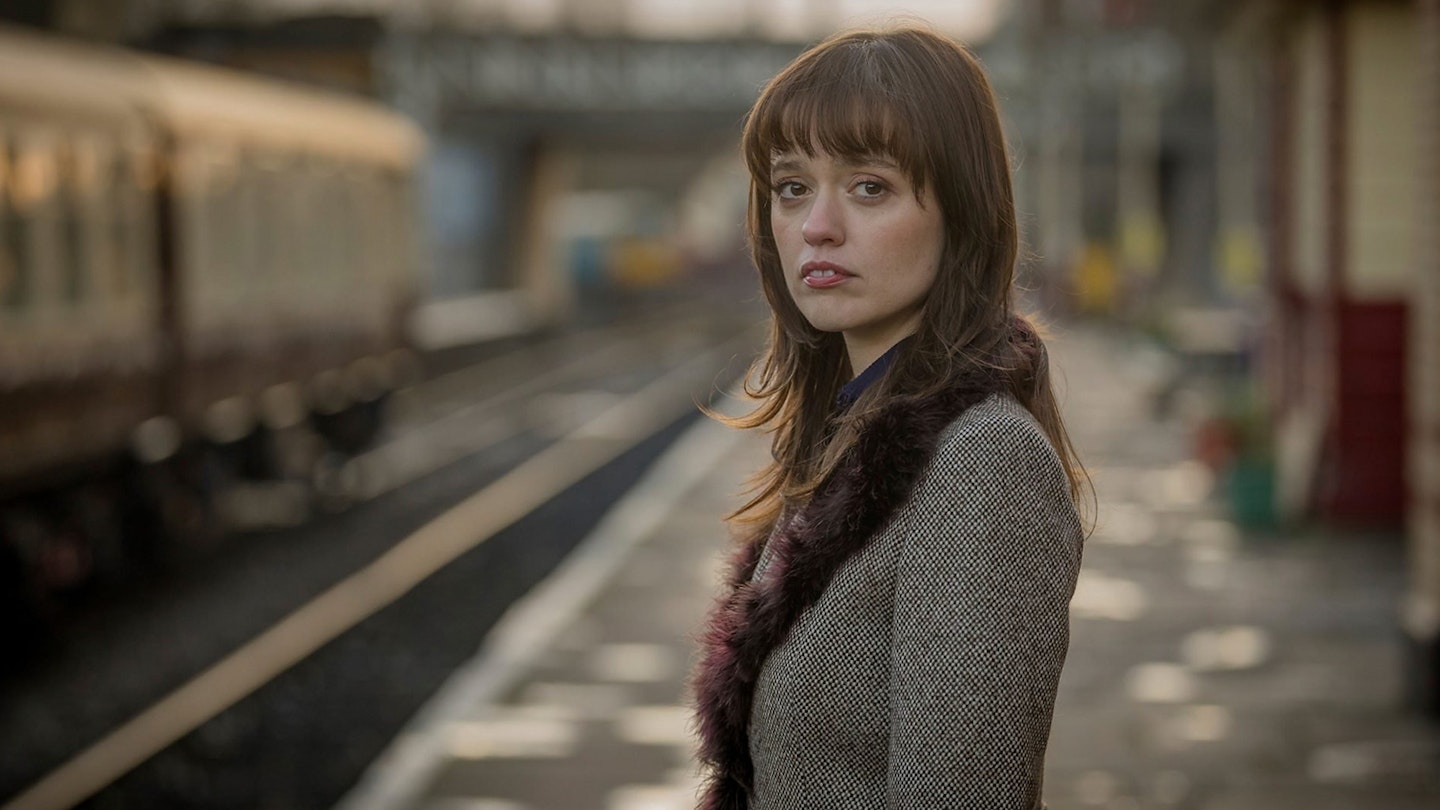
Sometimes life simply calls for the TV equivalent of a warm blanket draped over you on a Sunday evening. Well, look no further. Aimee Lou Wood and Ralph Davis’s sweet tale of two friends, Evie (Wood) and Noa (Nabhaan Rizwan), brought together by a love of cinema, is exactly that. In an on-screen relationship that is intelligent, empathetic, and full of yearning – note to creatives: bring back yearning! – the series serves as a love letter to everything from Alien to The Shawshank Redemption, and even Bridesmaids. From your dad showing you his favourite action film to that cheesy rom-com you watched on your first date, Film Club understands the connective – and ultimately empowering – comfort of sharing films with one another, and it wears that heart beautifully on its sleeve.
16) The Narrow Road To The Deep North
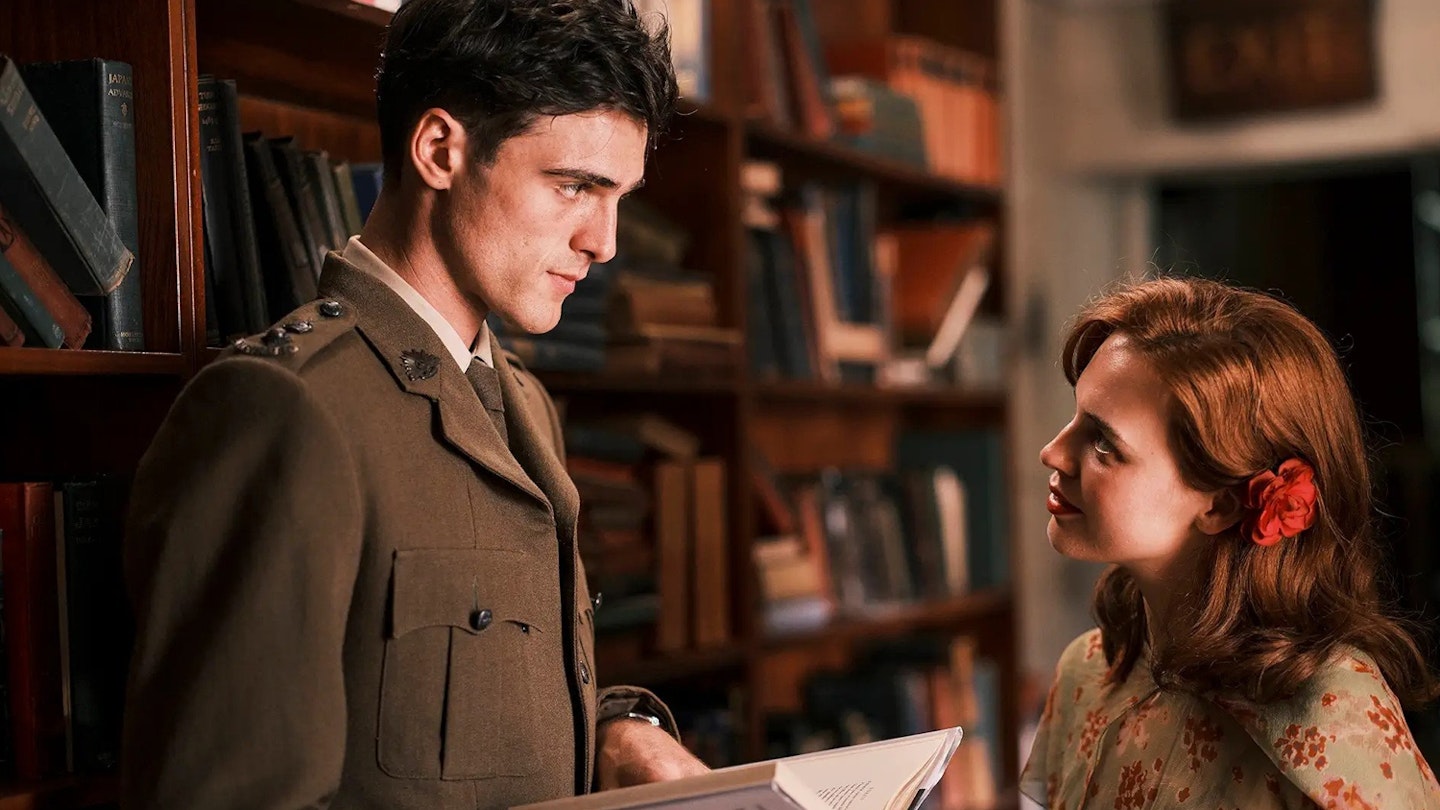
Justin Kurzel’s limited series take on Richard Flanagan’s Booker Prize winning masterwork is, in a word, visceral. Visceral in its depiction of the horrors experienced by Australian POWs on the Burma Railway at the height of World War II. Visceral in its encapsulation of a half-century-spanning love story that simultaneously keeps a man together in hell, and denies him any chance at true happiness on the other side of it. Visceral in its exploration of survivor’s guilt, of PTSD, of bone-deep grief. And yet, even as Kurzel takes us into the very heart of darkness here with a never-better Jacob Elordi as Aussie doc Dorrigo Evans (played concurrently, in his later years, by Ciarán Hinds), there are moments — of beauty, of sensuality, of profound humanity — that keep you on this road to the very end.
15) Stranger Things 5
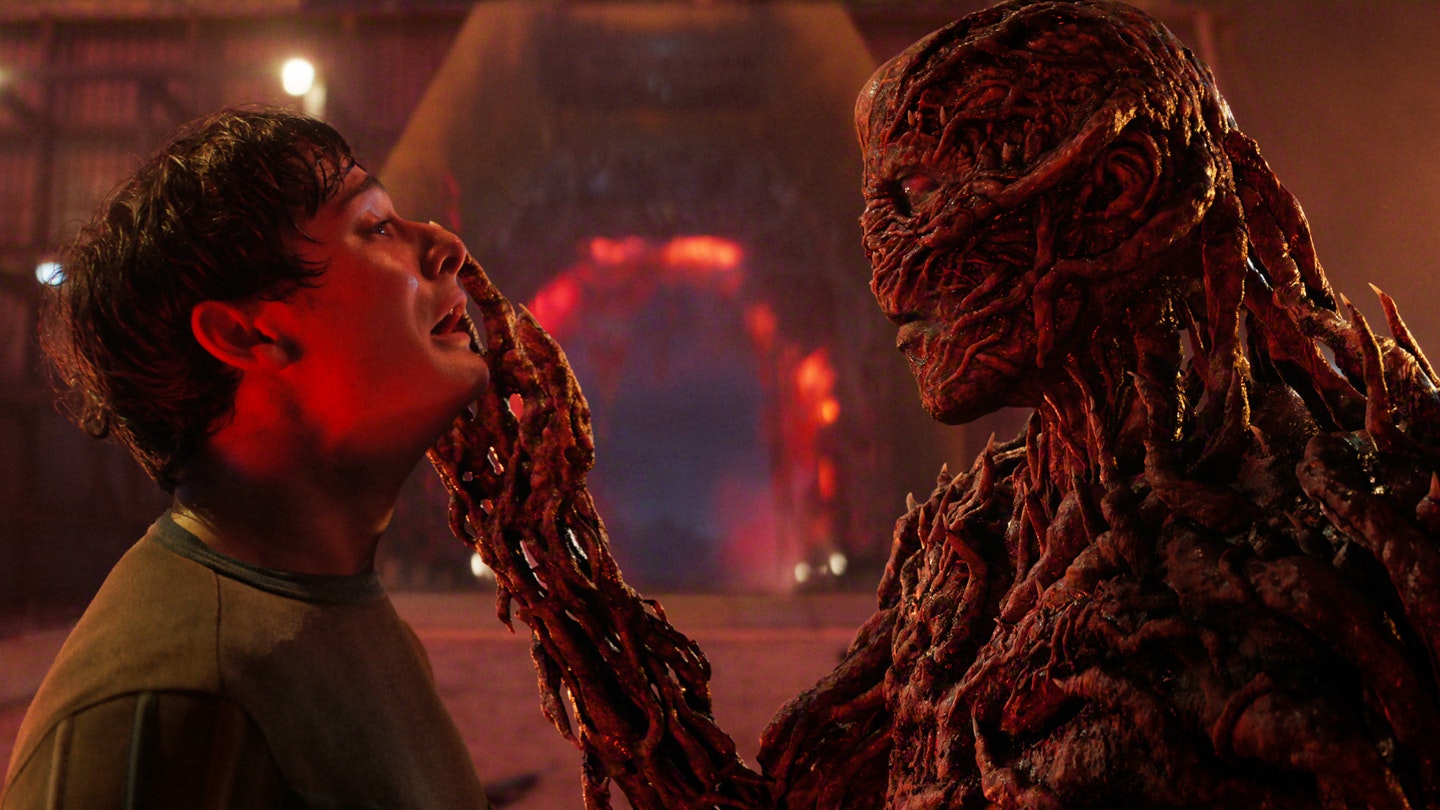
A decade of storytelling. A rumoured near-half-billion budget. A swiftly ageing young cast. The stakes are high for the final outing of the Duffer Brothers’ generation-defining retro sci-fi adventure series – but going by the four episodes of Vol. 1, they’ve done it again. Jumping off the genuinely epic Season 4, the closing chapter continues the all-out blockbuster production scale as the residents of Hawkins brace for a final showdown against Vecna and the forces of the Upside Down. As with much of Stranger Things, little here is brand new or truly original – but the execution is exceptional, fine-tuned to deliver maximum satisfaction with its charming ensemble cast. The midseason finale ended on a punch-the-air victory for our heroes – here’s hoping fans feel the same when the back half of the season arrives on Netflix in the coming days. No pressure.
Read the Empire review of Stranger Things 5
14) The Chair Company
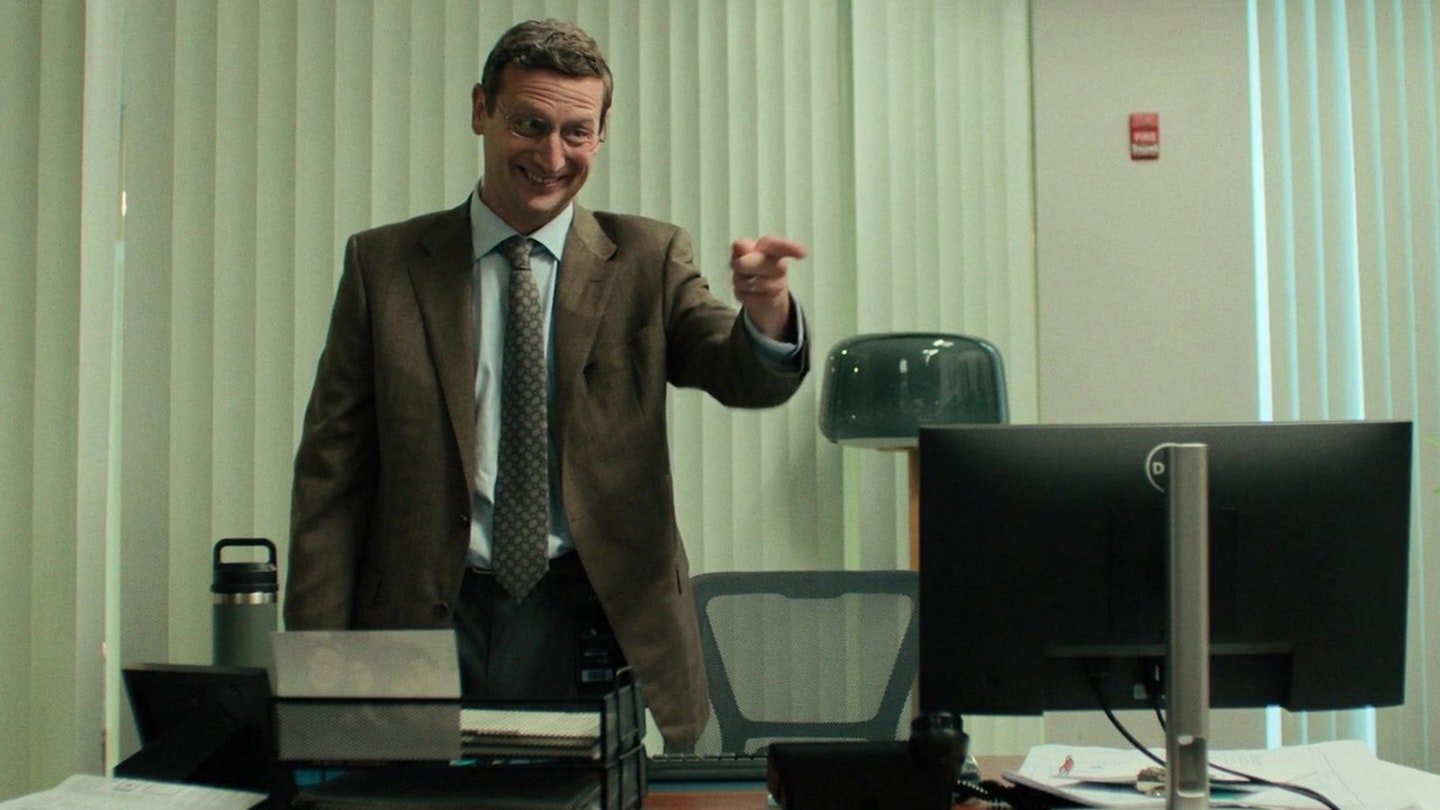
Tim Robinson has been crying, kicking and ziplining his way into our funny bones for the last few years. With The Chair Company, the I Think You Should Leave creators leave us to bear witness to a man (Robinson) whose life falls apart as he spirals down the rabbit hole of a corporate conspiracy involving, you guessed it, office chairs. Its biggest rug pull is that, among its side-splitting awkwardness, pornographic radio show hosts and characters losing their shit over having “the worst pillow in town”, the series emerges as one of the year’s most compelling mysteries. Working in tandem as both a corporate satire and a nightmarish paranoid thriller — one that David Lynch would happily raise a glass to — it is, above all, a bracingly hilarious look at the misadventures of a middle-class man desperate for someone, anyone, to blame.
Read the Empire review of The Chair Company
13) Squid Game: Season 3
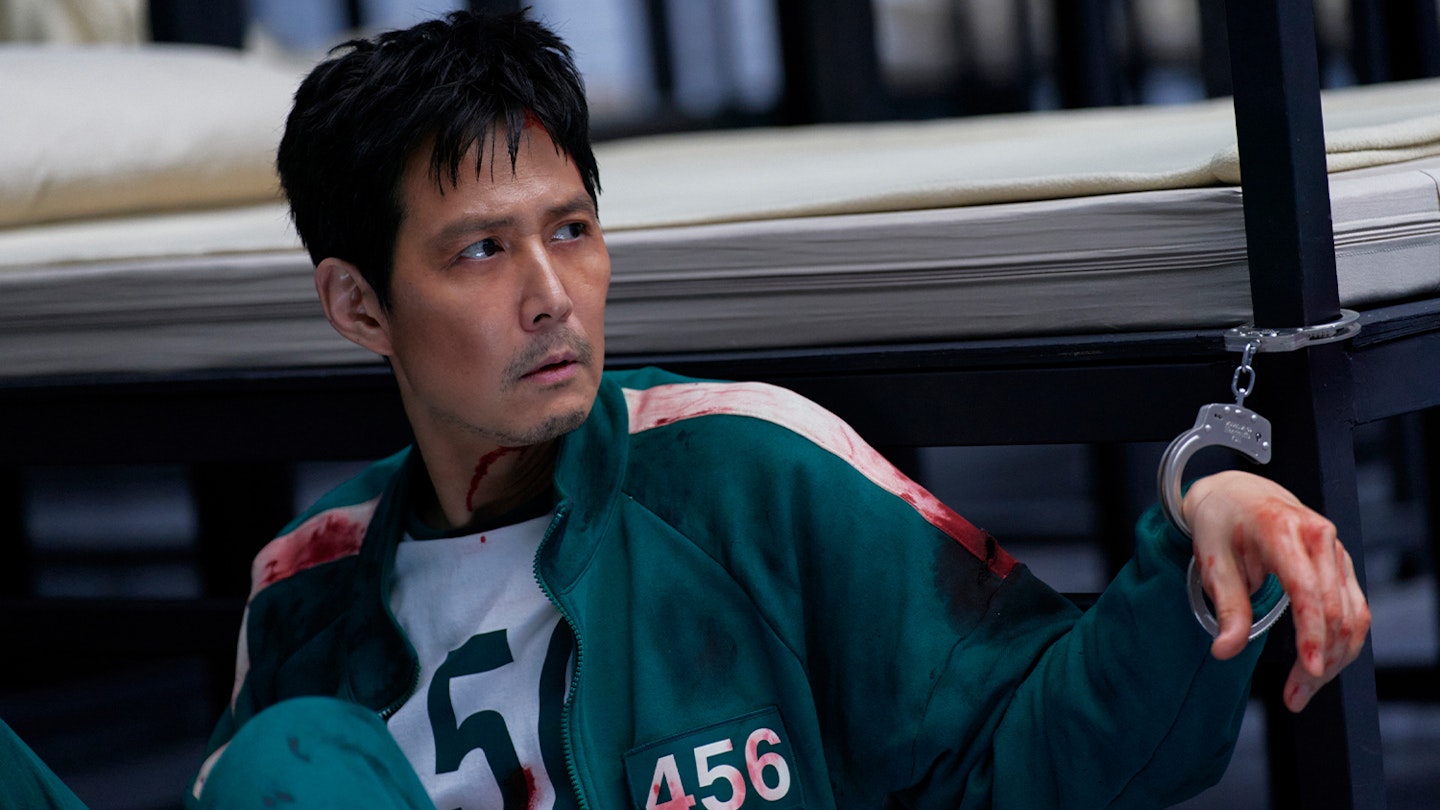
There’s a reason why Hwang Dong-Hyuk’s twisted satire on late-stage capitalism is the single most watched series Netflix. It’s partly due to the iconic livery of crosses, circles and triangles, popping-pink boiler suits and childish, rainbow-hued arenas. Partly the jarring mix of horrifying violence, casual cruelty and absurdist humour. Partly the simplicity of its blackly comic conceit: poor Koreans participate in deadly children’s games for the promise of a giant piggy bank stuffed with cash. But mainly it’s due to the meticulously-paced and unbearably tense story of Gi-hun (Lee Jung-jae), whose entry and now return to the games is a tragic fable — one man’s agonised scream in the face of humanity’s darker impulses. This third and final season not only introduces a series of yet more fiendishly unpleasant trials (‘jump-rope’ will linger long in the memory), but wends its way to a conclusion that manages to be at once satisfyingly fitting, thought-provoking and overwhelmingly sad. That this Korean-language drama’s infiltration into pop culture has been so absolute is testament to how much it resonates with the public at large. That it’s no doubt because the show’s violent delights and damning indictment of modern greed ring true is all the more disturbing.
Read the Empire review of Squid Game: Season 3
12) Dying For Sex

A story about cancer, coitus and, well, lots of other words beginning with “c”, Dying For Sex summons heart and humour from the most morbid of situations. Michelle Williams stars as Molly, based on real-life writer and broadcaster Molly Kochan, whose podcast of the same name detailed her sexual awakening while being treated for cancer. The show begins with Molly leaving her overbearing husband (Jay Duplass) and moving in with Nikki (Jenny Slate), a scatty actor and fiercely loyal pal. What ensues is a deeply moving, tender, and sometimes raucously funny journey of self discovery that spotlights and celebrates sex in its many forms. Williams shines in a performance that requires her to rapidly pivot from deep-rooted vulnerability to BDSM-charged conviction. However Slate is right up there with her, as Nikki becomes a more grounded carer with struggles of her own. Emotional and erotic storytelling at its best.
11) Task
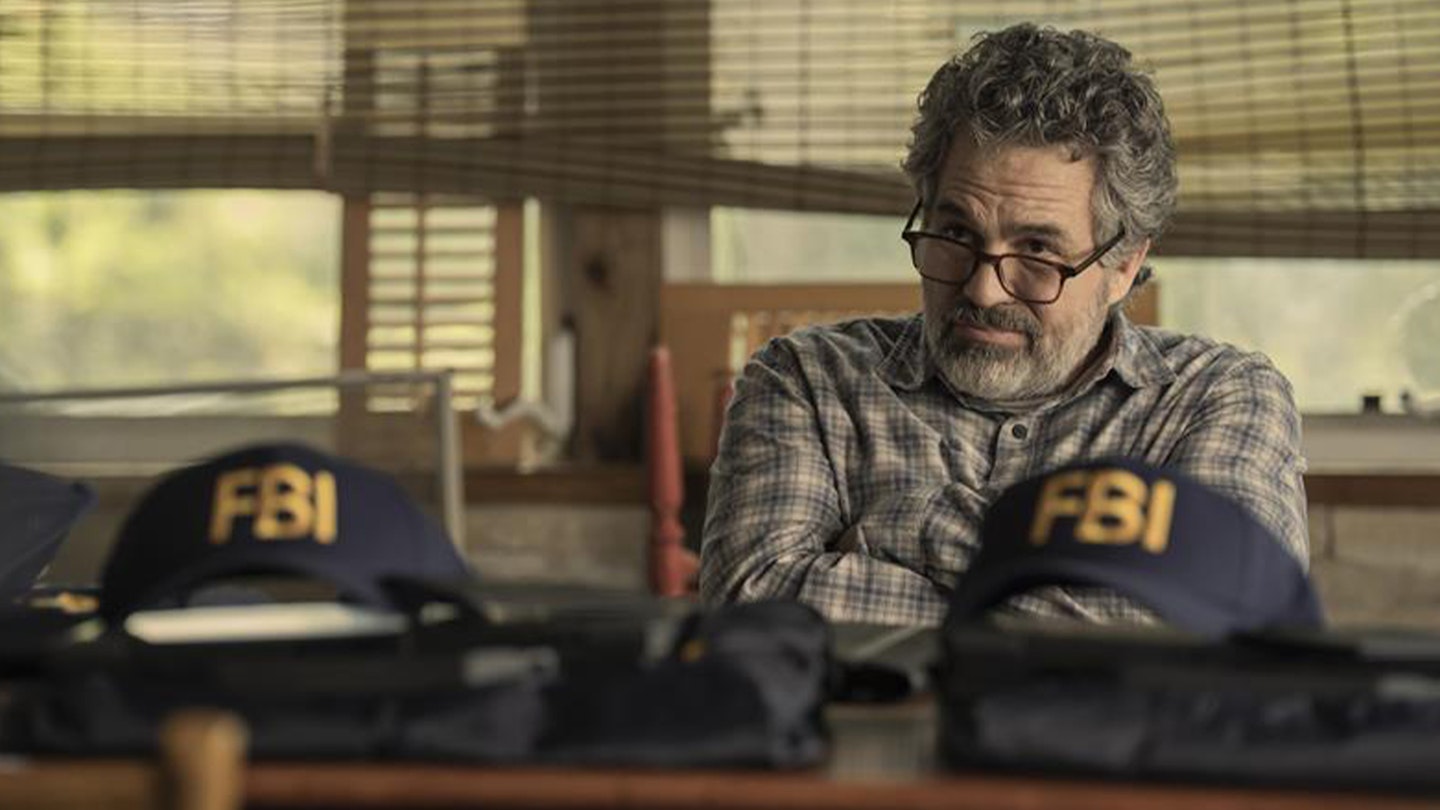
Mare Of Easttown is a mightily hard act to follow. But with Task, creator Brad Ingelsby made it look simple, delivering another brilliantly-crafted HBO series with real character depth, anchoring its thrilling action setpieces in rich domestic drama. While ostensibly a cops-vs-robbers drama, Task elevates itself by ingratiating you with both sides of the cause. Mark Ruffalo is Tom Brandis, an FBI agent racked by grief, who’s called back to duty when drug-stash robberies threaten a turf war. He’s wounded, struggling with alcohol, unsure he’s ready to lead his task force. You want him to crack the case; he needs the win. On the flip side, you have Tom Pelphrey as Robbie Prendergrast, whose simple stick-up operation turns nightmarish when one of his raids goes wrong, causing conflict with the family he’s struggling to provide for, all while he mourns the loss of his brother. You want him to get away with it; he needs the win. The result is exactly the sort of quality show HBO made its name on.
Read the Empire review of Task
10) What It Feels Like For A Girl
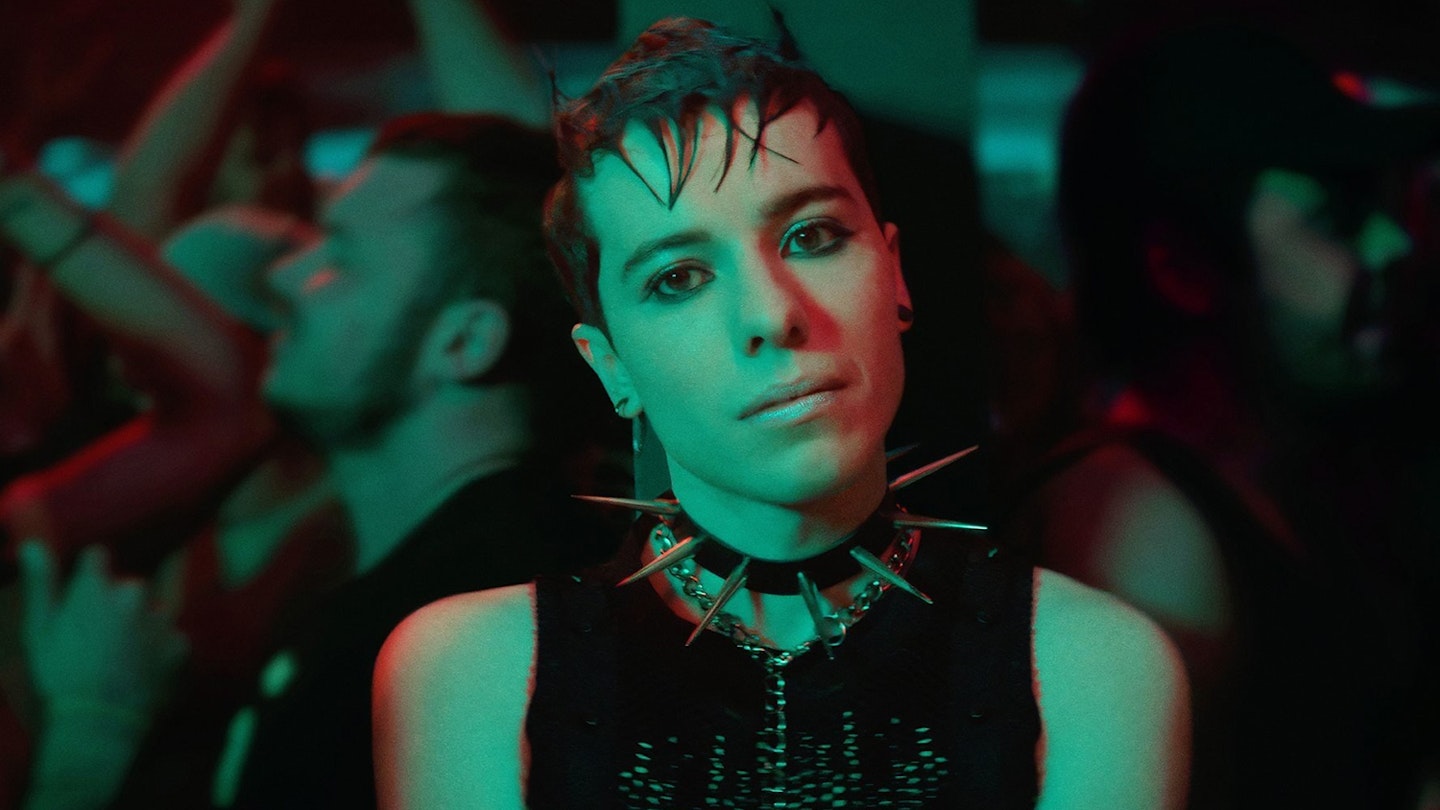
Adapted from her memoir of the same name, this scorching trawl through Paris Lees’ formative years is a bacchanalian coming-of-age, a portrait of a defiantly vibrant community, and one of the most exciting and unpredictable dramas in yonks. God only knows where the team found Ellis Howard but, as lead character Byron, who forges a new trans identity in the face of familial and cultural derision, he is electrifying, quivering with longing, yearning, anticipation and adrenaline, hormones almost constantly abuzz. Set in an early noughties Nottinghamshire that is as emancipatory as it is unforgiving, the show circles around a messy, outspoken, protective, glorious group of queer friends who take Byron under their wings. Much shit goes down, but through it all, Byron refuses to compromise who they are – and who they want to be. It’s a tribute to a trailblazing scene – and it is hugely compelling television.
9) The Last Of Us: Season 2
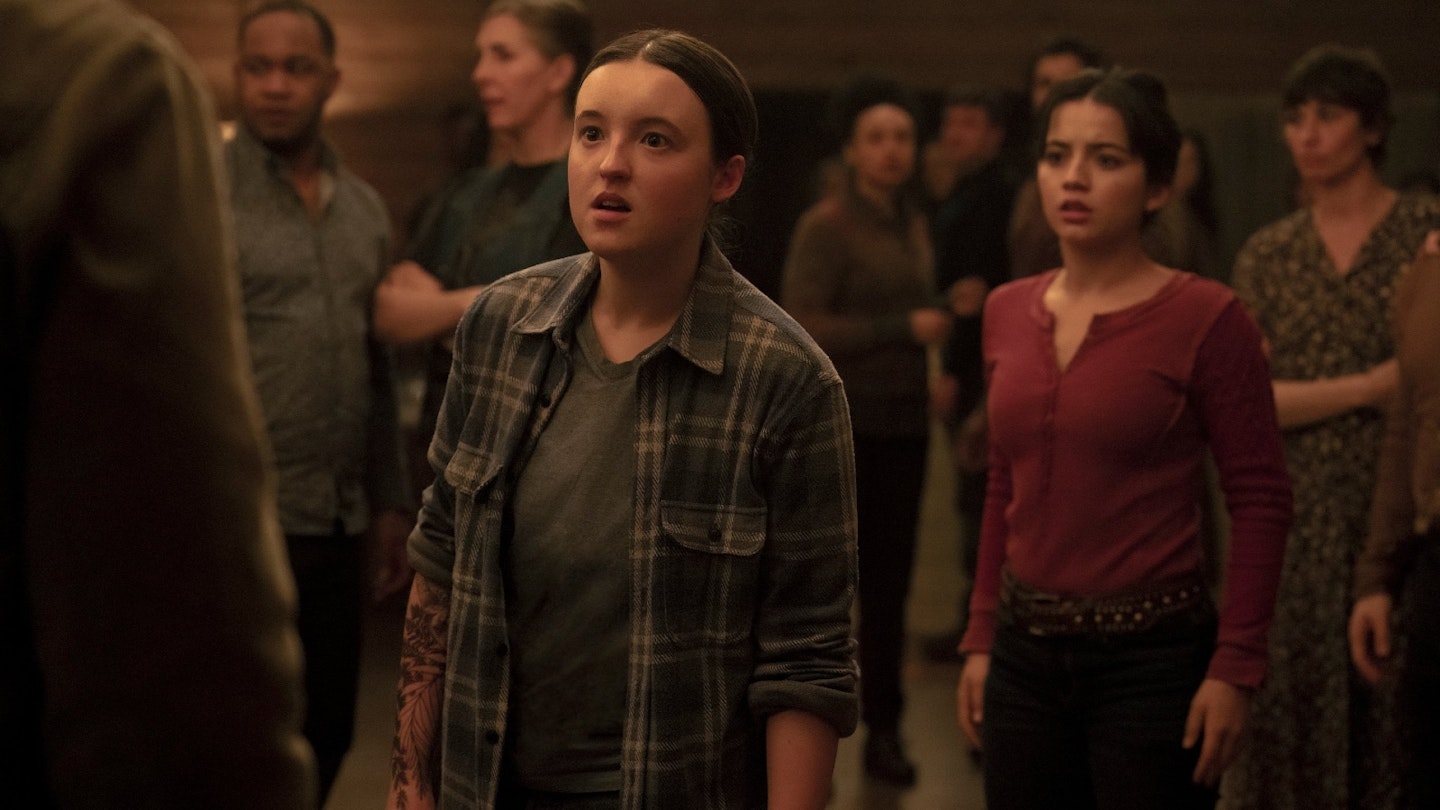
Not since Nick Faldo beat Greg Norman in the 1996 Masters has the swing of a golf club proved so controversial. The second season of HBO’s adaptation of the lauded video game series from Naughty Dog was always going to ruffle feathers, but Episode 2 of this latest run managed to traumatise each and every one of the show’s fans while delivering an hour of television that stands up to the very best ever produced. With a few deviations to better fit the format, showrunners Craig Mazin and Neil Druckmann cleaved closely to the game structure, taking Ellie (Bella Ramsay) down a far darker path than last time as she heads to Seattle with Isabella Merced’s Dina on a bloody quest for vengeance. By turns exciting (the siege!), uplifting (‘Take On Me’!), horrifying (the basement), and utterly devastating (a body behind a horse), The Last Of Us might have proved divisive, but no one can doubt its potency. With a bottle episode that almost surpassed the Bill and Frank interlude from Season 1 and an ending that had non-gamers staring slack-jawed at their screens, this audacious follow-up was a bleak, unrelenting ordeal. We wouldn’t have it any other way.
Read the Empire review of The Last Of Us: Season 2
8) The White Lotus: Season 3

The third outing of Mike White’s sly satire of the super-rich might have lacked that signature vocal ululation in its theme tune – but in all other regards, it remained character drama at its most compelling. After previous seasons probed at themes of colonialism and lustful romance, Season 3 skewered western attitudes to eastern spirituality, bringing several groups of excruciating holidaymakers to Thailand. Aimee Lou Wood brought heart to the series as the good-natured Chelsea, partnered with Walton Goggins’ revenge-fuelled miser Rick; Jason Isaacs’ high powered financier slowly imploded across his family holiday, having learned they’ll imminently lose their riches, with Parker Posey delivering a bonkers accent as his wife Victoria (effectively filling the Jennifer Coolidge void). But it was the deliciously poisonous strained friendship between Leslie Bibb’s Kate, Carrie Coon’s Laurie, and Michelle Monaghan’s Jaclyn that was perhaps the juiciest thread, boasting some of White’s best writing. Throw in some shock incest, an explosive shootout finale, and a surprise Sam Rockwell monologue for the ages, and The White Lotus remains a five-star stay.
Read the Empire review of The White Lotus: Season 3
7) Pluribus

You kind of want to hate Vince Gilligan, don’t you? Not content with creating two of the best TV shows ever made with Breaking Bad and Better Call Saul, the man has somehow managed to go three for three with this audaciously weird post-apocalyptic sci-fi. Conceived, in part, as a showcase for Rhea Seehorn’s prodigious acting talents (she criminally failed to scoop a single Emmy for her phenomenal turn in BCS), this quirky tale sees humanity afflicted with an alien virus that combines everyone’s consciousness into a single, blissfully happy hive mind. Everyone, that is, except 13 survivors, scattered across the globe, including curmudgeonly romantasy author Carol Sturka, who finds herself faced with a global collective hell bent on… making her happy? It’s an absolutely wild premise but it’s Gilligan’s deliberate, often oblique style of storytelling that makes it so captivating. Seehorn is, as you’d expect, magnetic, often carrying the show single-handed through large stretches of solo screen time, though its her crabby interactions with ‘everyone’ that make for some genuinely hilarious deadpan moments. An absolute original, Plur1bus is entirely unlike anything else on television. Do not miss it under any circumstances.
Read the Empire review of Pluribus
6) Severance: Season 2
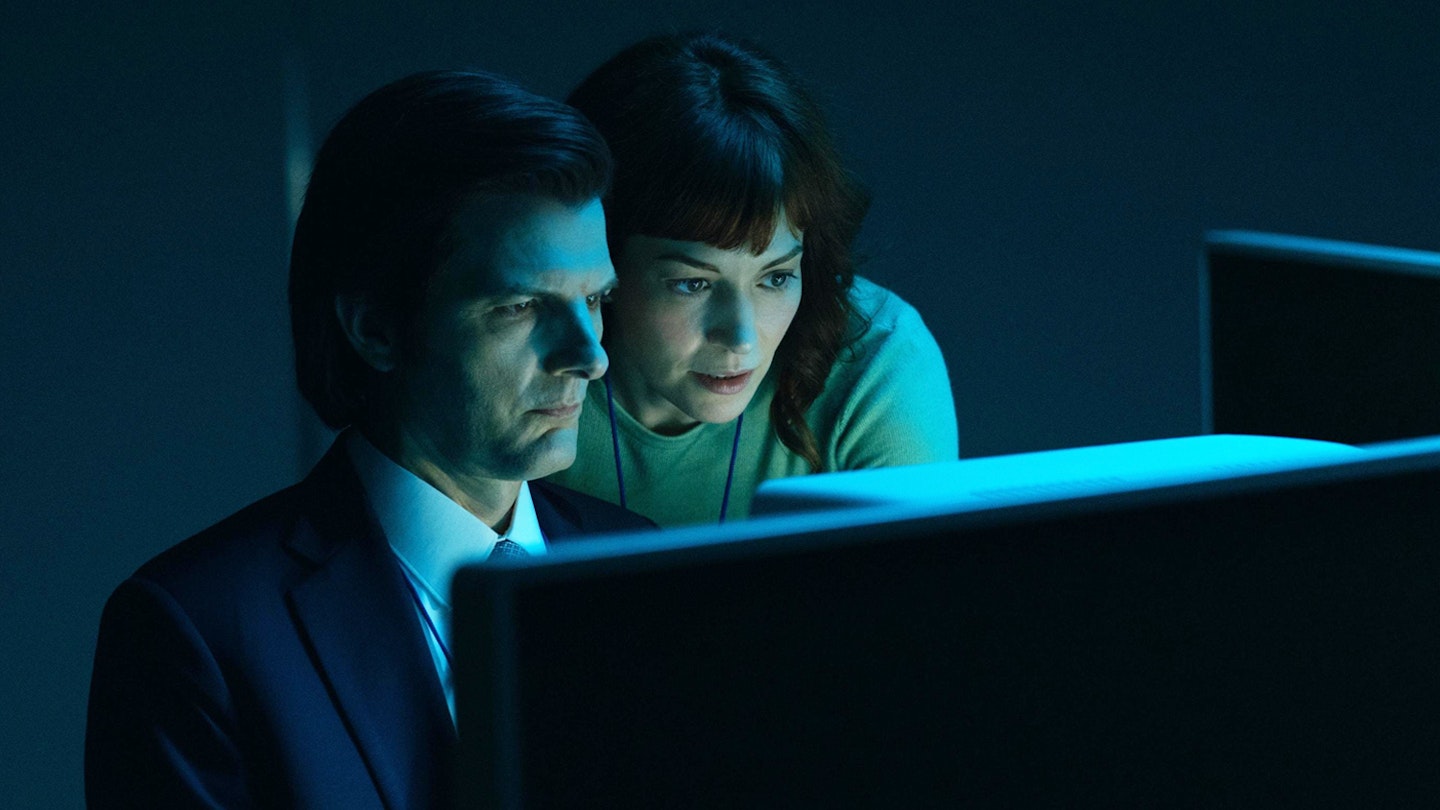
It had been three long years since we last walked the sterile halls of Lumon Industries, but one frantic sprint through said corridors along with Adam Scott’s Mark S, and it was like we’d never left. Building on the first season’s ‘Macrodat Uprising’ (archly recapped in animated form by Keanu Reeves), Season 2 brought us the inspired Miss Huang (“Why are you a child?”), the Data-Refiners’ first ‘ORTBO’, the goat-loving madness of Mammalians Nurturable, an unforgettable character ‘death’, and the bizarre yet dramatic scene of Mark’s Innie arguing metaphysics with his Outie via camcorder. Puzzle box shows have an unenviable task in needing to pull back the curtain just enough to reveal gradually more of the larger picture, while not quite enough to puncture the mystery. Dan Erickson’s follow-up season manages just that, judging its prestige with dead-eyed accuracy. In Episode 7’s ‘Chikhai Bardo’, we are finally inducted into Lumon’s insidious plan, only to tee up a finale that asks a dozen more questions than it answers, leaving us with that final Graduate-nodding freeze frame. Let the Music Dance Experience commence!
Read the Empire review of Severance: Season 2
5) Mr. Scorsese
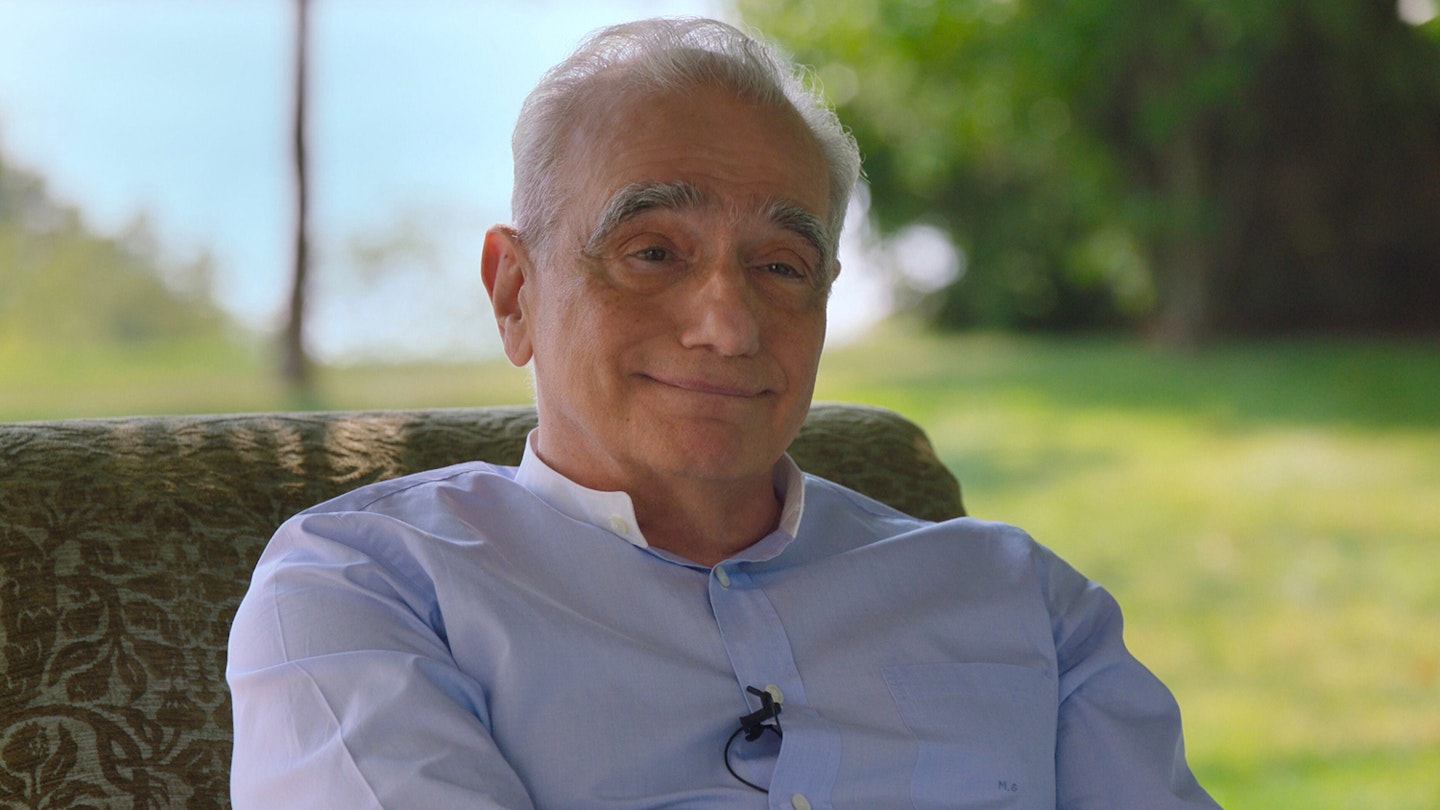
Not the only unexpected Marty delight to hit Apple TV — or indeed this list — in 2025 (see entry #4), Rebecca Miller’s Mr. Scorsese is, as our glowing five-star review attests, “so kinetic and compelling that it could be mistaken itself for a Martin Scorsese Picture.” Neither hero-worship hagiography nor run-of-the-mill talking-heads piece, Miller’s five-part limited series instead takes the man and his movies together to craft a richly textured portrait of her subject. In one direction we see how a crisis of faith conjured Raging Bull, and in the other we see how the darkness of Shutter Island literally reduced Marty to a panic-attack-suffering wreck. And interspersed throughout are extraordinary, candid reflections from Scorsese himself, and from his collaborators and peers — from Spielberg and De Niro and DiCaprio, to Daniel Day Lewis and Spike Lee and Ari Aster. What more can we say? This one’s pretty damn good, fellas.
Read the Empire review of Mr. Scorsese
4) The Studio
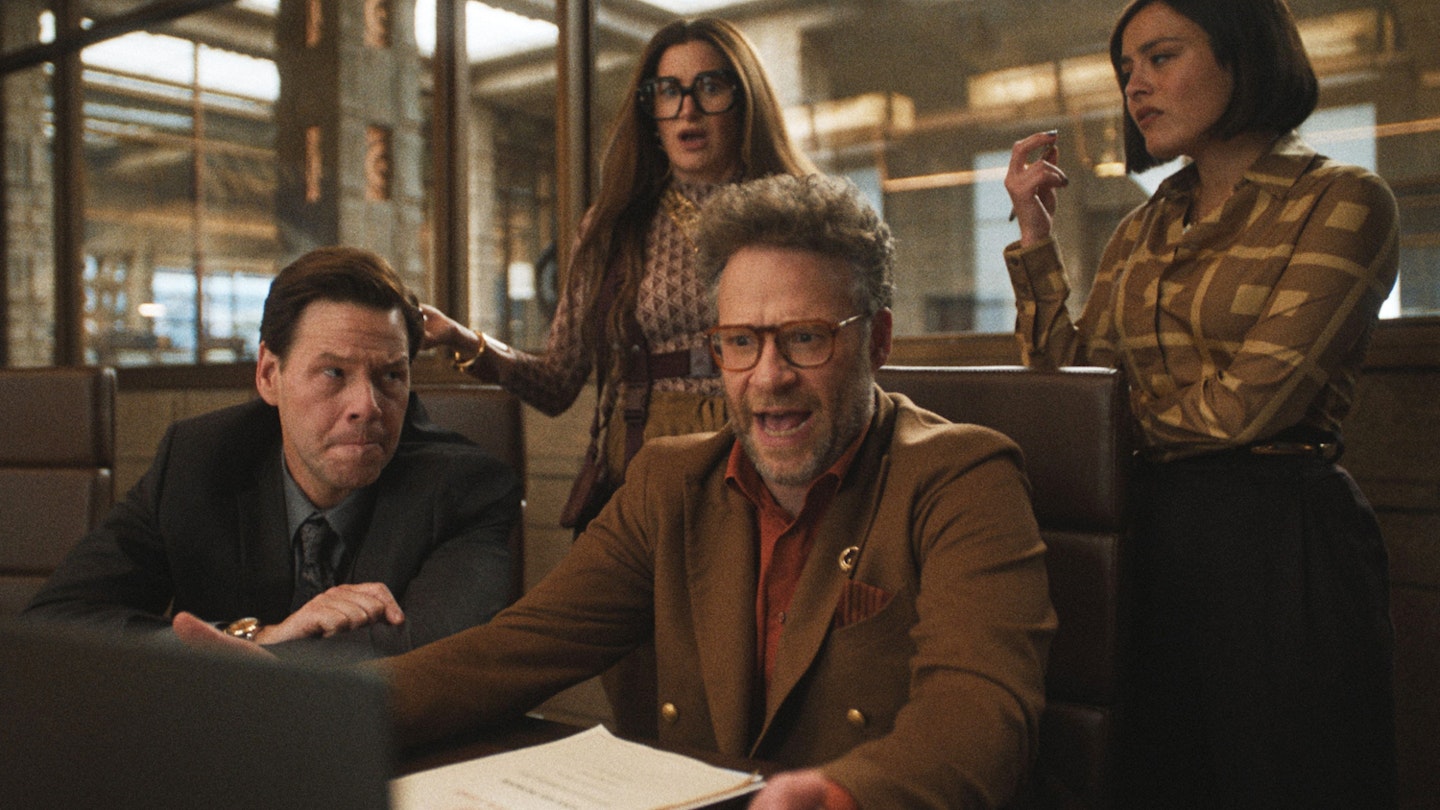
From Billy Wilder’s Sunset Boulevard to Robert Altman’s The Player, Hollywood has always loved to navel-gaze in films about filmmaking. But save for the bro-ier likes of Entourage, this fascination with the industry’s navel has rarely found a home on television — and on a streaming service, no less. Enter Seth Rogen’s The Studio, a small-screen satire so incisive, funny, and devastatingly accurate that it has quickly become the must-watch show for industry insiders who recognise themselves in the egotistical, morally misguided behind-the-scenes movers and shakers. (Rogen has reported that nearly every movie studio head has called him to say it was a traumatic watch.) But you don’t have to be a cigar-chomping executive to appreciate cringe comedy this electric, energetic and farcical, often executed in breathless one-shot takes — and stuffed with slyly self-deprecating A-list cameos, from Steve Buscemi, to Netflix CEO Ted Sarandos, to newly-minted Emmy nominee Martin Scorsese. “The job makes you stressed, and panicked, and miserable,” notes Catherine O’Hara’s exec Patty Leigh. “But when it all comes together and you make a good movie, it’s good forever.” The Studio, by the same token, will be good forever.
Read the Empire review of The Studio
3) Alien: Earth
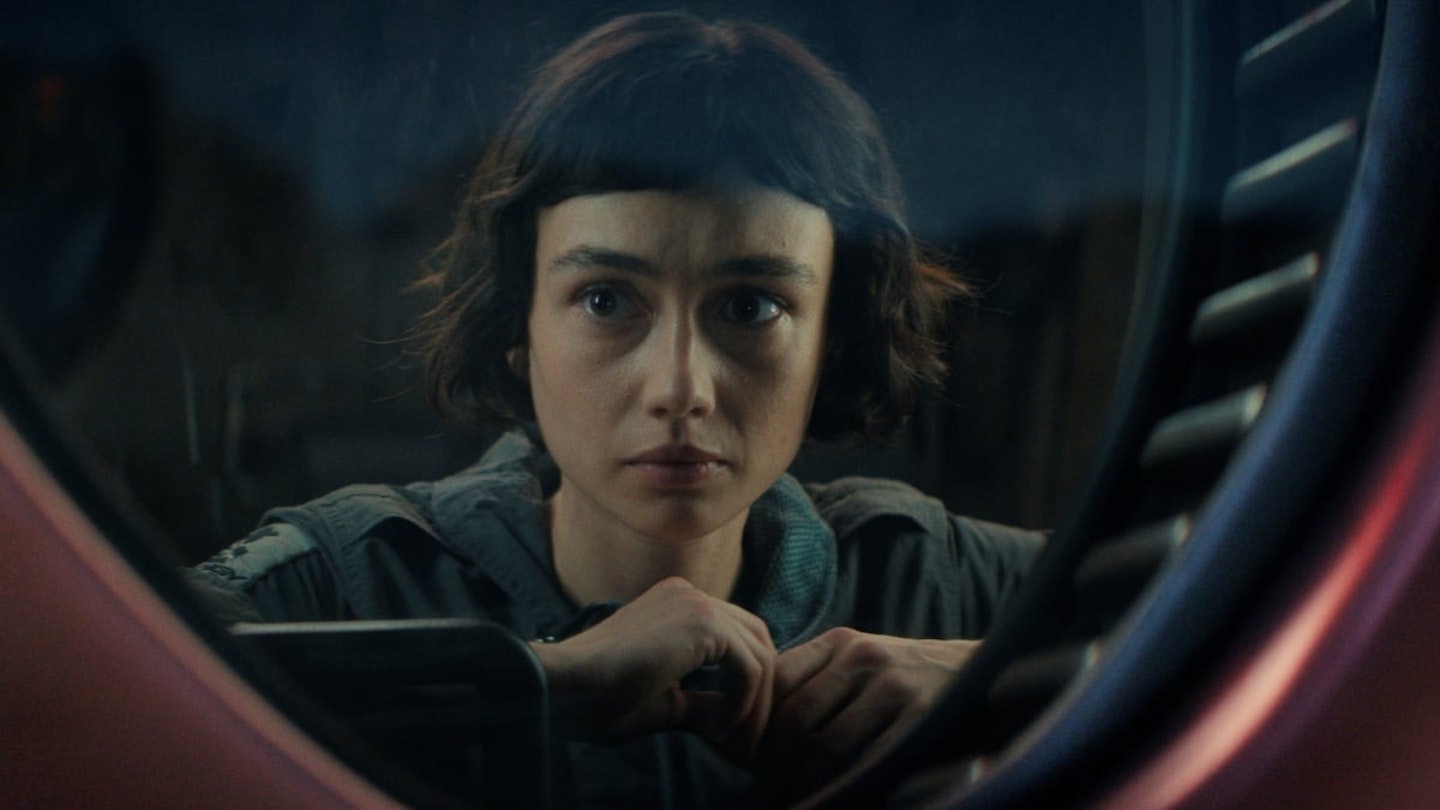
2025 has very much been the year for rejuvenating beloved (but long in the tooth) IPs. Tony Gilroy worked his magic on Star Wars, Dan Trachtenberg put Predator firmly back on the hunt, but only Noah Hawley could have pulled off a reinvigoration of all things Alien with this perfectly crafted prequel series. After all, who else would have thought to filter Giger’s biomechanical horror through a Peter Pan fable meditating on the nature of self, while simultaneously introducing a menagerie of other extra-terrestrials somehow just as horrifying as the Xenomorph itself? The MVP of this show is doubtless The Eye (Eyelene to her friends), and the malevolent sheep it takes up residence in, but while there are monstrous new pieces on the board, the alien itself also gets a new lease of life, a deepening of its lore (they speak?) and a near perfect fifth episode (‘In Space, No One…’) that so perfectly captures the aesthetic and mood of Ridley Scott’s original film, it serves as a powerful reminder of why we loved this franchise in the first place. Plus Michael Smiley. Biting an Alien. Genius.
Read the Empire review of Alien: Earth
2) Adolescence
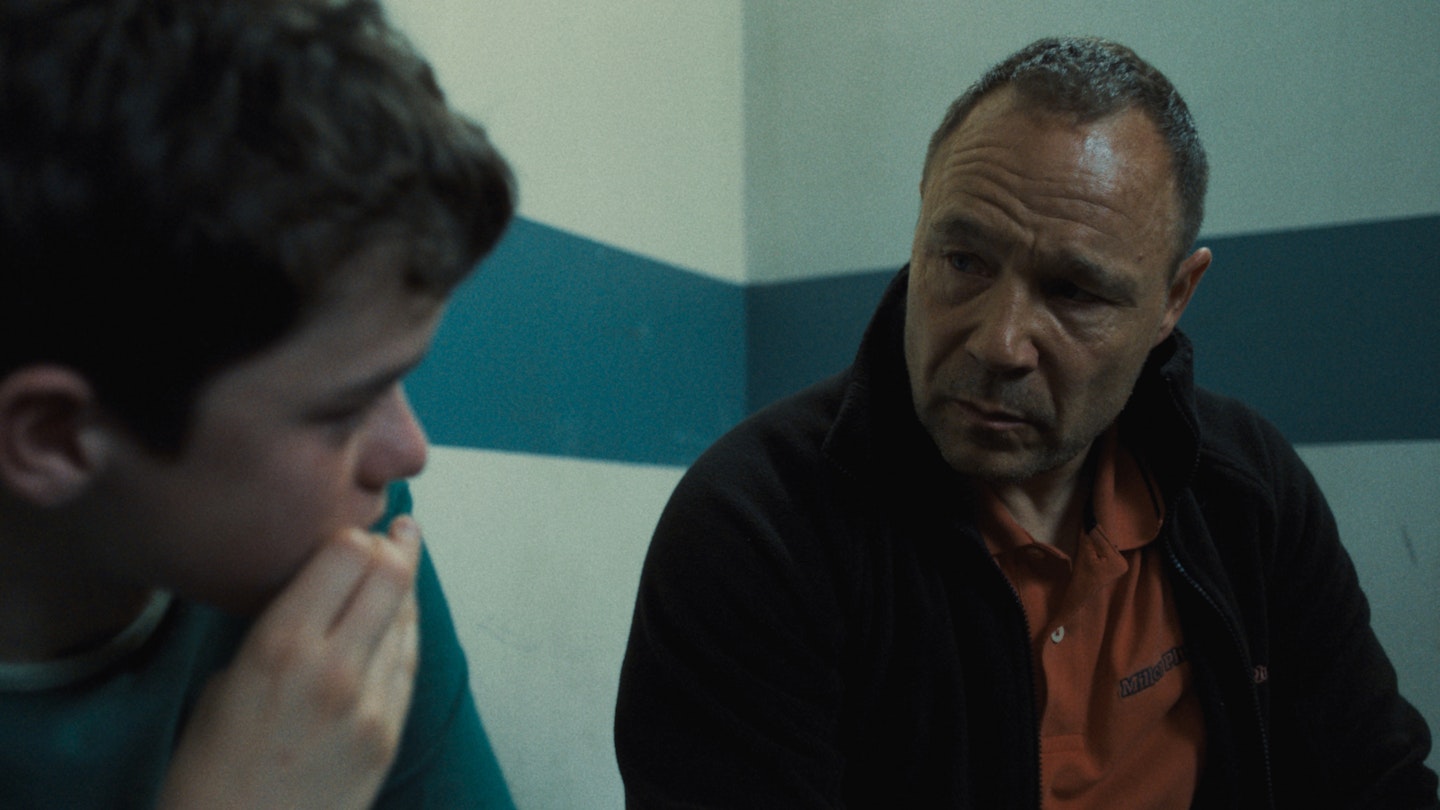
What began as a four-part limited series has since gone on to spark a national debate on masculinity, malign online influencers, and the dangers of smartphones for children. But even separated from the headlines, Jack Thorne and Stephen Graham’s unflinching examination of teenage killer Jamie Miller is an extraordinary achievement. Built upon a series of powerhouse performances from Graham, Ashley Walters, Christine Tremarco, Erin Doherty, Faye Marsay, and Owen Cooper as Jamie himself, the series breaks the story down into four distinct chapters — the arrest, the aftermath at Jamie’s school, examination by a child psychologist, the familial fallout — each taking a different angle as the full horror of what happened unfolds. None of which even takes into account the dizzying craft of director Philip Barantini, who made each instalment a single, continuous take from beginning to end, causing the final, soaring drone shot at the end of Episode 2 to become the only topic of conversation online for two straight weeks. An upsetting, important and entirely essential watch.
Read the Empire review of Adolescence
1) Andor: Season 2
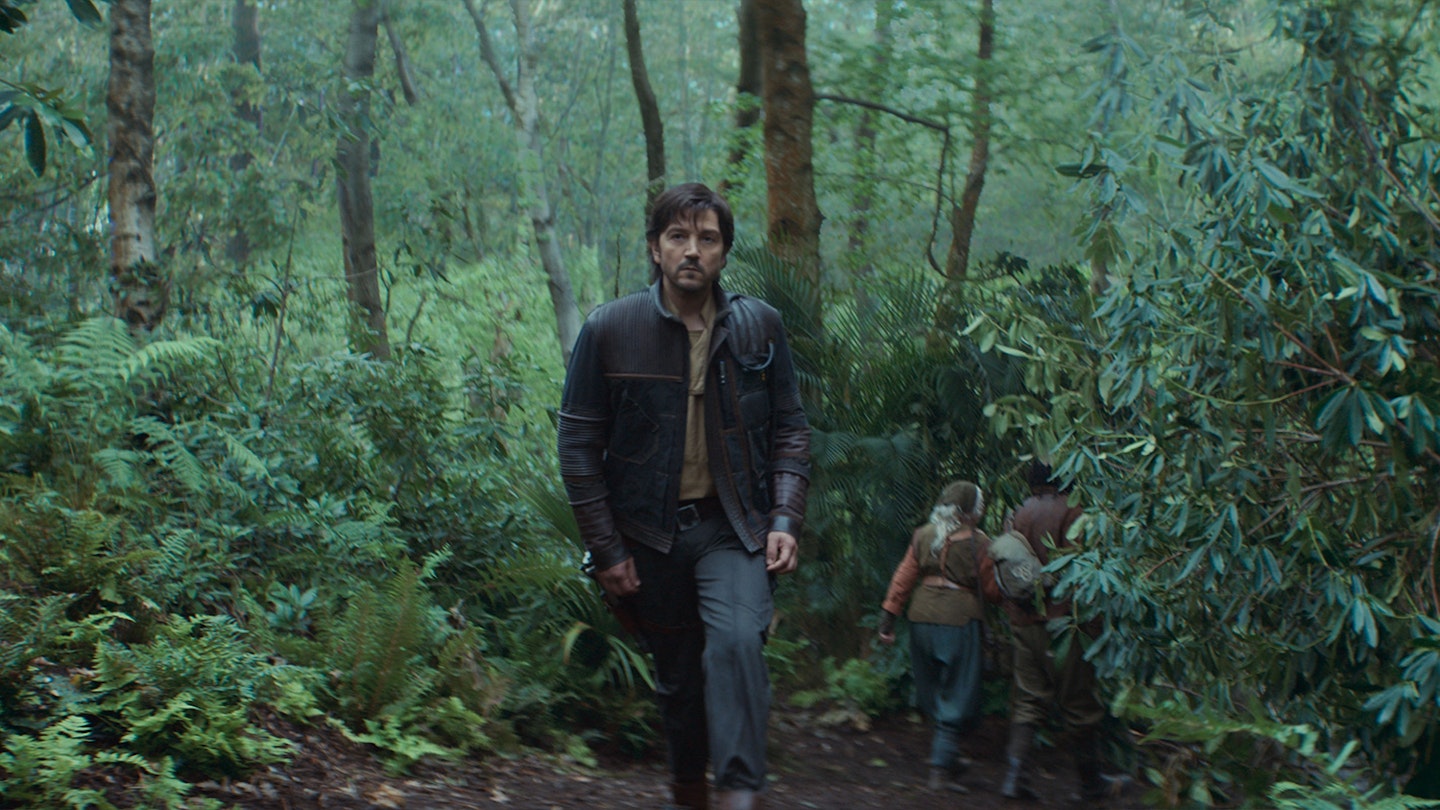
“The distance between what is said and what is known to be true has become an abyss. Of all the things at risk, the loss of an objective reality is perhaps the most dangerous.” Mon Mothma’s blistering speech to the Imperial senate wasn’t the first body blow delivered by Tony Gilroy’s astonishing second season of Andor (even then, a part of us was still bleeding in the rubble of Palmo Plaza), but boy did it hit hard. Gilroy hasn’t been coy about the real-world inspirations for his revolutionary series, but never have the lines between Star Wars and the real world felt so gossamer thin. A tale of rebellion, what we sacrifice (“EVERYTHING!”), and the fragility of tyrannical rule, Andor stands as something quite extraordinary: a political manifesto, a masterclass in subtle character work, a gripping political thriller and the most accomplished piece of storytelling Star Wars has ever produced. That it emerged as a prequel to a prequel, turning a forgettable cypher into one of the saga’s most compelling heroes, is nothing short of astonishing. Mon Mothma’s trauma groove; Syril’s tragic revelation (“Who are you?”); Lonny slumped on a bench; Kleya’s final act of mercy; Dedra, head in hands, screaming at her fate; the series gifted us so many perfect moments that it’s hard to single out just one (or two, or ten!) Each of those moments contributed to a series that not only made for an incredible season of television, but one that completely transformed the way all of us will see Lucas’ franchise going forwards.
Read the Empire review of Andor: Season 2