
*WARNING: This article contains heavy spoilers for Stranger Things’ final episode and the series as a whole*
So there we have it. After nine years, five seasons, 42 episodes, 82 note-perfect needle drops, and about a bajillion characters saying the words ‘one last time’, Stranger Things is over. Our heroes have fought their final battle. A disaster has been averted in Hawkins, Indiana. And all that was Upside Down is now Rightside Up once more. In the end, for all the rampant speculation and red-string theorising, there were in fact no major deaths (sorry Kali), no mind-bending (or flaying) season finale rug pulls, and no crazy post-credits stings waiting after Netflix’s sci-fi phenomenon arrived at its final fade to black. But do you know what? That’s… actually not a bad thing. Stranger Things’ final episode could never have given every fan what they wanted, so instead The Duffer Brothers focused on giving Hawkins’ heroes what they deserved.
You see, here’s the thing: in the days building up to Stranger Things’ grand finale, it seemed as if the internet had collectively come to an agreement that if there were no insane sacrifices, traumatising character deaths, or insanely blindsiding revelations in ‘The Rightside Up’, then that would mean that we as fans had been betrayed, that a near-decade-long investment in the show would’ve all been for nought. It’s a distinctly social media age mindset with roots in Harry Potter’s fakeout death in The Deathly Hallows some 18 years ago — an idea, perhaps at least in part, born of a belief that because endings are often painful for us personally, they should also, in the interest of fairness, be painful for the characters we are saying goodbye to. It’s a mindset that was reinforced in the Game Of Thrones era, where shocking deaths of fan-favourite characters had become so commonplace by the time the final episode arrived that no number of deaths, twists, or turns could’ve ever hoped to live up to the wildest plot machinations being dreamt up by fans online.
In fairness to those (mostly non-maliciously) baying for their heroes’ blood, it isn’t always — or only — about a sort of sense of entitlement or being owed something by an artist and their creations. There is also a tangible desire for concrete resolutions and lasting consequences that’s not at all unreasonable: you’ve only to look at The Rise Of Skywalker and its C3PO and Chewie fake-out deaths — or to the MCU’s Multiverse Saga and how much of Infinity War and Endgame it will have walked back by the time Doomsday and Secret Wars are over — to see that in the world of IP, it’s become increasingly hard to get a true sense of an ending. Still, whatever the motivation, there is and has been for a long time now a prevailing sense that for a story’s end to have weight, and for a journey to have had meaning, then there must be a price to be paid — preferably in blood. But Matt and Ross Duffer, along with their cast and crew, have just reminded us that’s simply not true.
Now, full disclosure, as this particular Empire writer sat down to watch ‘The Rightside Up’ at an ungodly hour on New Year’s Day, the masochistic desire to be emotionally tormented — for a major death or two to really get the snotty tears flowing — one last time had not yet deserted me. I’d read the theories about Kali being a sleeper agent, about the Thessalhydra and the resurrection of Eddie Munson, about our D&D loving heroes needing a natural 20 — Eight (Kali), Eleven (El), and One (Henry) — to beat the Mindflayer, and I had braced myself to say goodbye to characters I deeply cared about along the way. As the poet, philosopher, and pop savant Lady Gaga once wrote, “If it’s not rough, it isn’t fun,” right?
In the moment that Joyce Byers lands the killer blow(s) upon Vecna, we are viscerally reminded of all of the death and suffering that has paved the way to this hard-fought moment of cathartic victory.
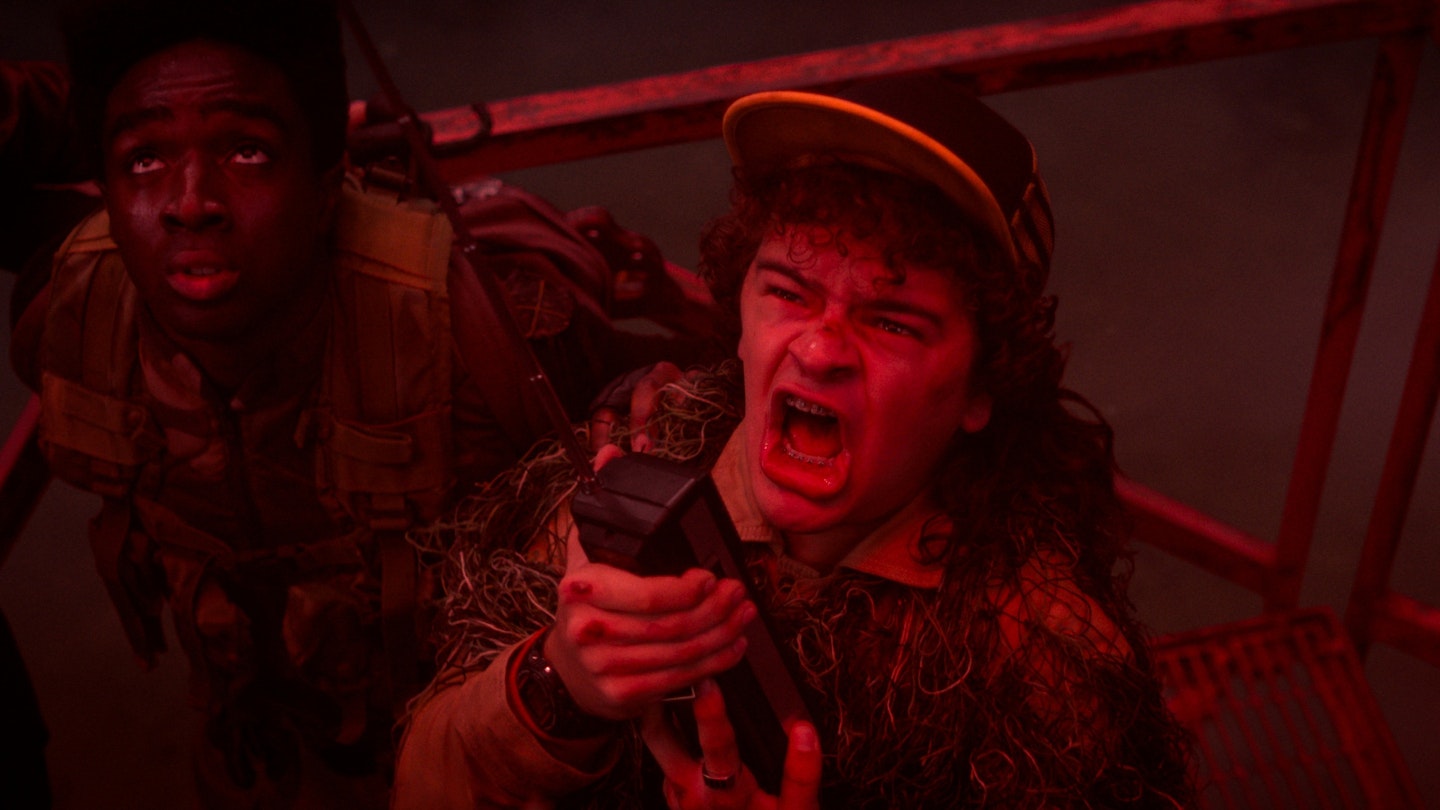
But then, after all the theorising and speculating and premature mourning, right at the apex of the show’s entirely functional yet absolutely never-really-the-point-anyway big final battle in The Abyss, something suddenly became incredibly clear: perhaps many of us had been looking at the ending of Stranger Things the wrong way all along. You see, our heroes reaching the final boss — and its five-star general (an extraordinary Jamie Campbell Bower, it bears repeating) — was never about them getting ready to die. Rather, after all they had already collectively and individually lost to arrive at this point, it was about showing us that they were ready to survive. And, as the Return Of The King worthy hat-on-a-hat of an epilogue so beautifully underlines, it was also, crucially, about preparing them to live.
In the moment that Joyce Byers — who, lest we forget, was introduced to us in the darkest moment of her life and who we have seen over the course of five seasons and a near-decade face many, many darker moments since (we still miss you Bob Newby) — lands the killer blow(s) upon Vecna, we are viscerally reminded of all of the death and suffering that has paved the way to this hard-fought moment of cathartic victory. We remember Will being taken. We remember Barb (we always remember Barb!). We remember Bob. We remember Billy. We remember Eddie Munson (Hellfire Lives!). We remember Max lay unconscious in a hospital bed. We remember Eleven and her siblings and the experiments they were subjected to, the childhoods they had torn from them. We remember Sara. We remember all the kids taken and held captive under Mr. Whatsit’s spell. We remember Bob again. And we remember the people, the innocence, the time that these characters have lost fighting a war they never signed up for to save a world that, in so many different ways, never really understood them — never quite seemed to have figured out a place for them.
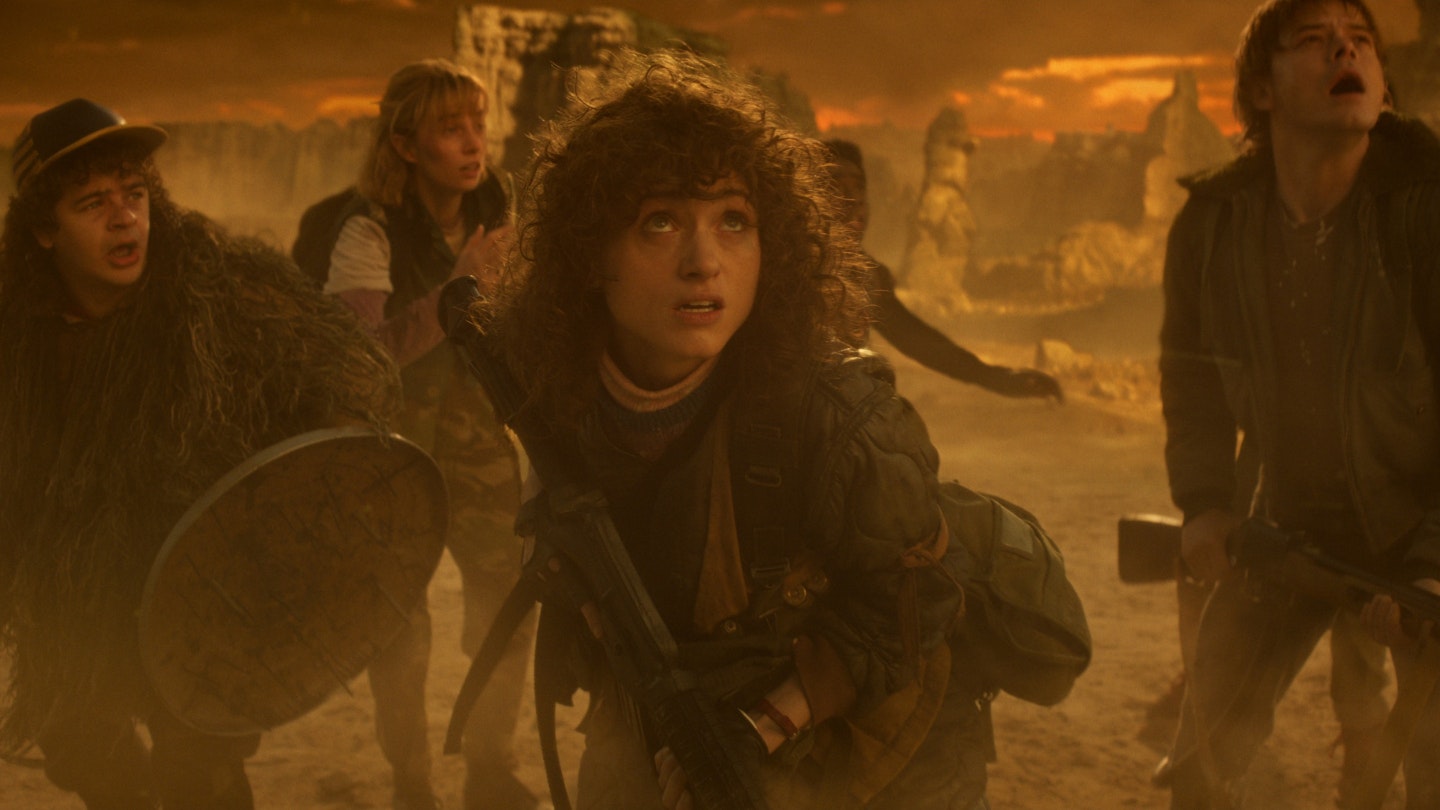
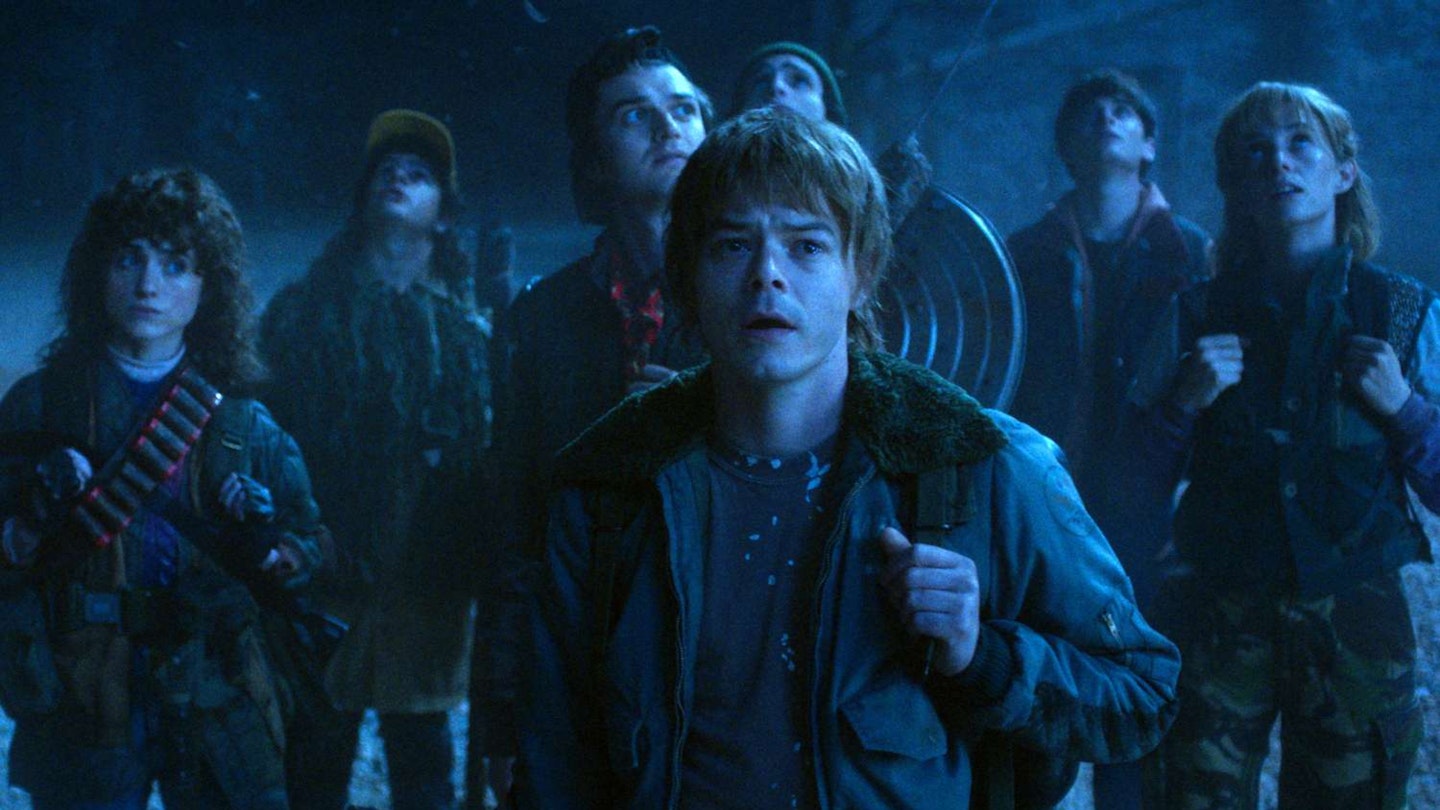
And as we remember all of that — or at least as this writer did, anyway — a salient truth cuts through the noise. This party isn’t just a ragtag bunch of unlikely heroes anymore. Sure, these nerds may still be flying by the seat of their pants, making hare-brained and half-baked plans armed with little more than convoluted pop culture based analogies and whiteboard markers, but by their journeys’ end they’re also battle-hardened warriors, stubborn-willed survivors. They are the ones who ran to the fire and faced the flames (or, more often, black ooze and eldritch, squelching tentacles) time and again, who improvised and rolled the die and reached the end of their campaign by making their own choices, telling their own story, and finding their own answers. If all great coming-of-age stories ultimately tell of the death of innocence, the acquisition of experience, and the emergence of adulthood from the cocoon of adolescence, then when taken as the sum of its parts, this is surely one of the greats.
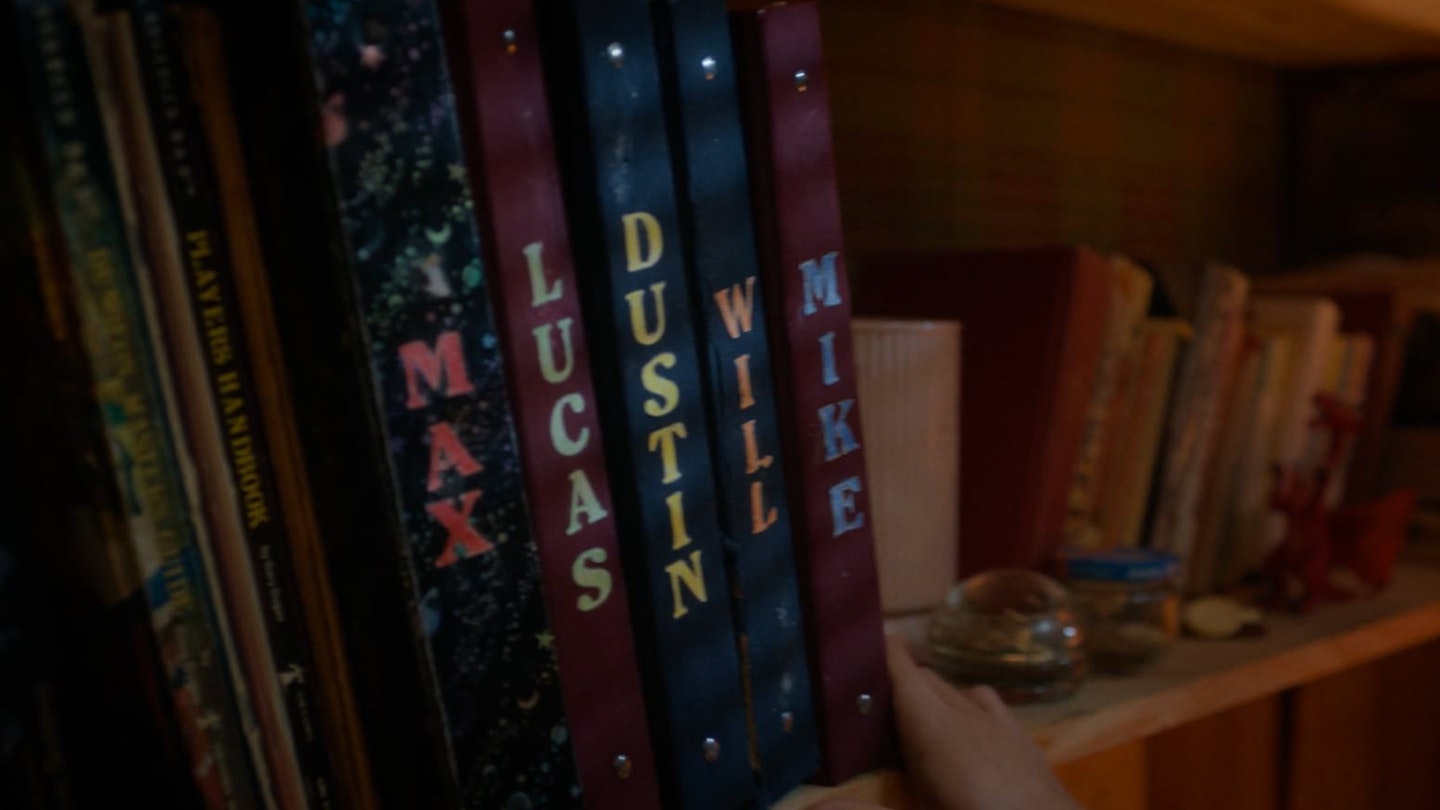
With all of that in mind then, when push comes to shove, so what if the odds say that Will, Mike, Lucas, Dustin, Max, and the rest of the gang — from Robin to Hopper to Delightful (and never again Dipshit) Derek and Holly Wheeler — shouldn’t have all made it out alive? So what if they actually manage to land an implausible crit when they need it most, slay their dragon (or mindflayer) with bin lids for shields and improvised Molotov cocktails, and make it back home at the end of the day? What harm is there in a happy ending? They damn well earned it, and there are plenty of bodies lining the route they took to get there.
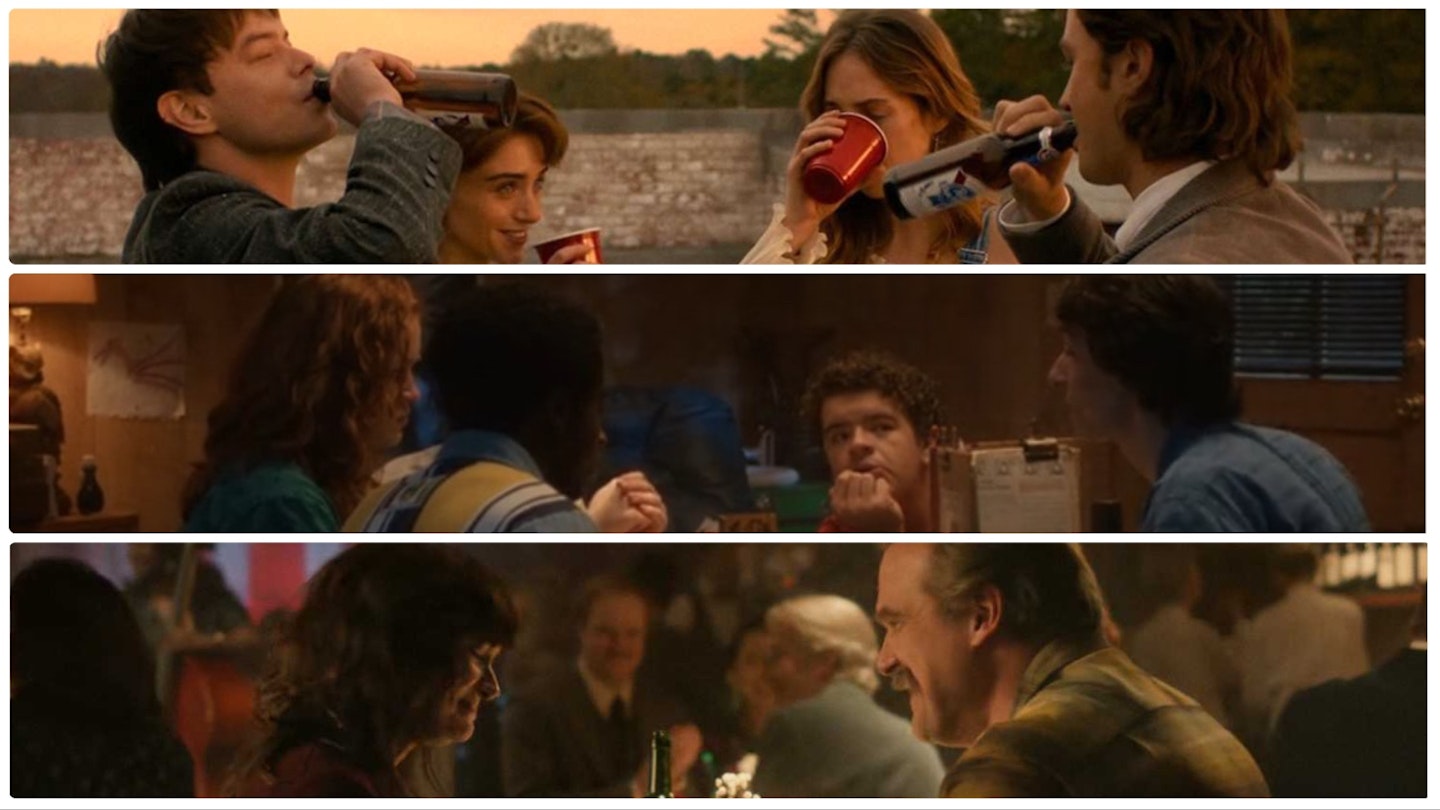
And besides, when all is said and done, ultimately what is it that waits on the other side of all this chaos and destruction for our Heroes of Hawkins? Not riches. Not honours (diplomas dutifully snatched and principal righteously bird-flipped as Eddie Munson would’ve wanted, excepting). Not, mercifully, a bigger threat emerging from the shadows to tee up a sequel series in five years’ time. No, none of that. Instead, they get to live. For those who came before, for those who will come after, and for themselves. Steve, Nancy, Jonathan, and Robin are left making plans you just know adulting will never let them keep; Joyce and Hopper finally hear church bells ringing as Montauk (nice reference, Duffers!) calls; Will, Mike, Dustin, Lucas, and Max get to say goodbye to their childhood on their own terms, choosing to live in the belief that El — the physical embodiment of the magical and infinite possibilities of youth, and a damn good friend — is still out there, somewhere; and another generation heads down to the basement to begin their own campaign, reminding us that as one adventure ends, there’s always another out there, ready and waiting to begin.
“Comfort and happiness? Could it be more trite?” scolds Max in a meta moment of self-awareness on the Duffers’ part right at the very end of the finale. And yeah, fair enough, perhaps it is just a smidge on the trite side. But maybe, just maybe, a little bit of comfort and happiness is precisely what they — and we — need right now. Maybe a happy ending can be a good ending. After all, Stranger Things have happened…