
Platforms: Nintendo Switch 2
Appearances really can be deceiving. Take Pokémon Pokopia — at a glance, this looks like an adorable Pokémon life sim, right? Wrong: spend even a little time with this unassuming chill-out title and you’ll uncover one of the darkest narrative edges the developer Game Freak has ever delivered.
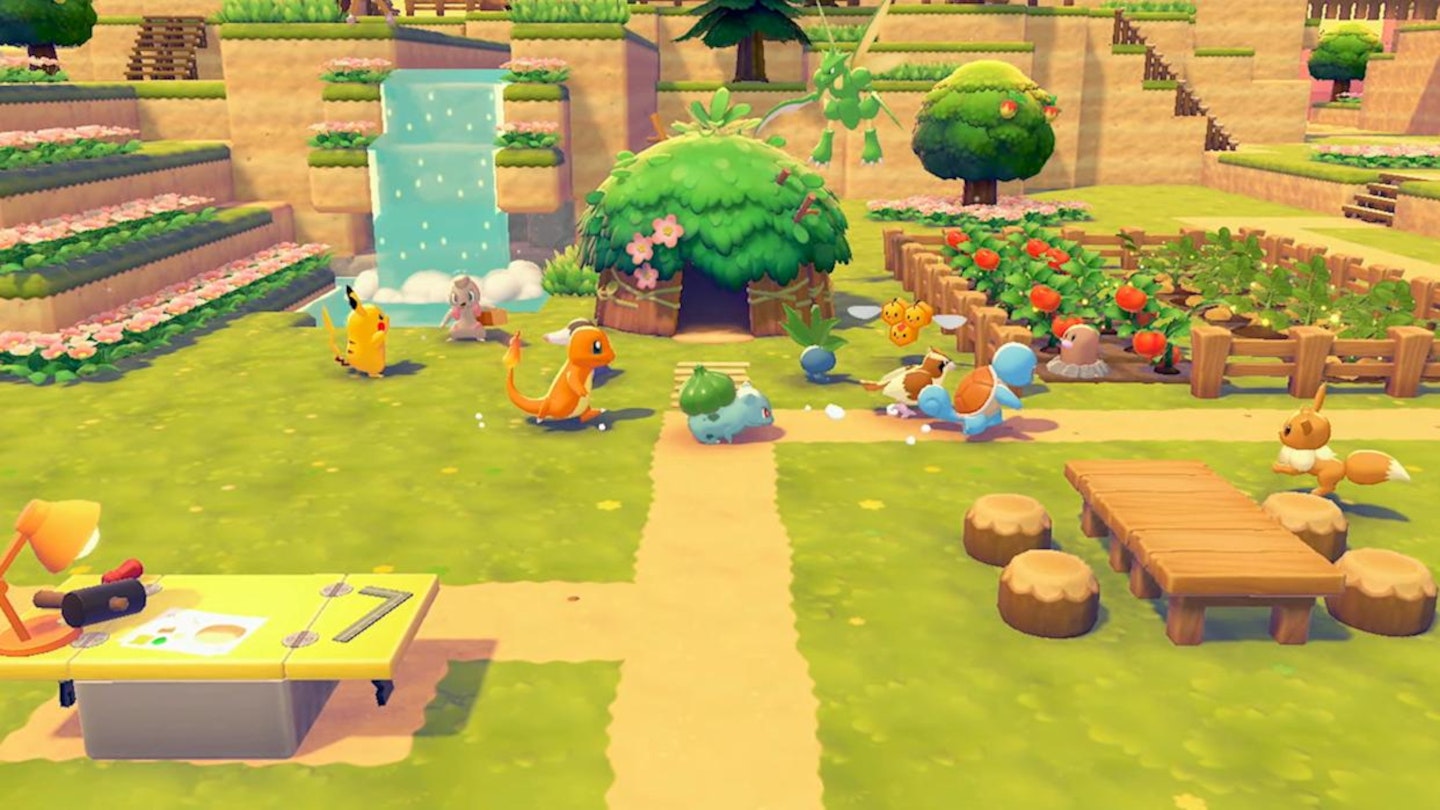
Playing as a Ditto — the shape-shifting glob of goo most players use for breeding stock in core Pokémon games — you find yourself in a fallen world, the familiar towns and villages that pepper Pokéarth left in ruins, utterly devoid of humans and Pokémon alike. Able to transform into a humanoid form and guided by a Tangrowth filling the traditional “professor” role, you set about rebuilding, hoping to draw Pokémon back and find out what happened to humanity. That’s right: this is post-apokélyptic.
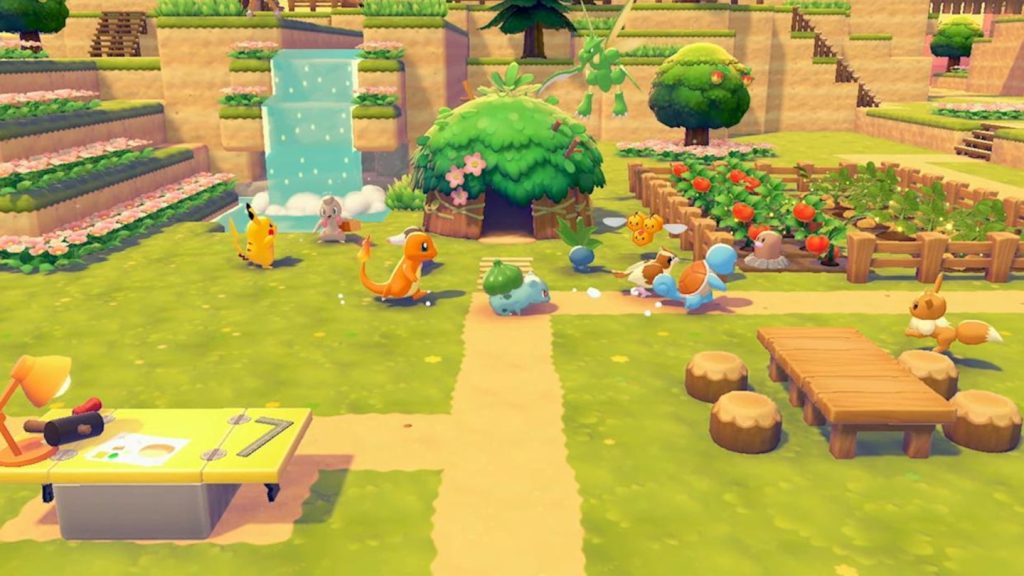
Thankfully, possessing both opposable thumbs and the power to copy other Pokémon abilities, you’re able to set about rebuilding society. First you’ll rescue a Squirtle, learning its Water Gun ability, which allows you to refresh parched plants, attracting a Bulbasaur, who in turn teaches you how to grow grass with its Leafage skill. This chain extends through the game, and as you learn more moves, you can create more habitats, which attract ever more Pokémon to move in.
While you’ll only learn key moves for your Ditto from a few of your newfound friends, most residents have category skills that can help in the grand reconstruction project. Sometimes that’s literal, with the likes of construction ‘mon Gurdurr being able to use “build” to erect or repair structures and facilities, while many fire-type Pokémon can use “burn” to light candles or process materials in furnaces, turning sand into glass or metal ores into ingots, used to craft ever-more elaborate items. It provides a unique twist on the series’ monster-catching ethos as a result, aiming to attract Pokémon with skills you need for building rather than battling. Pokopia packs in 300 Pokémon from the past 30 years of mainline games (including a few twists on old favourites, like Mosslax, a moss-covered Snorlax, and Peakychu, a literally off-colour Pikachu), and while there’s no need to “catch ‘em all”, the more you attract, the more flexibility you’ll have.
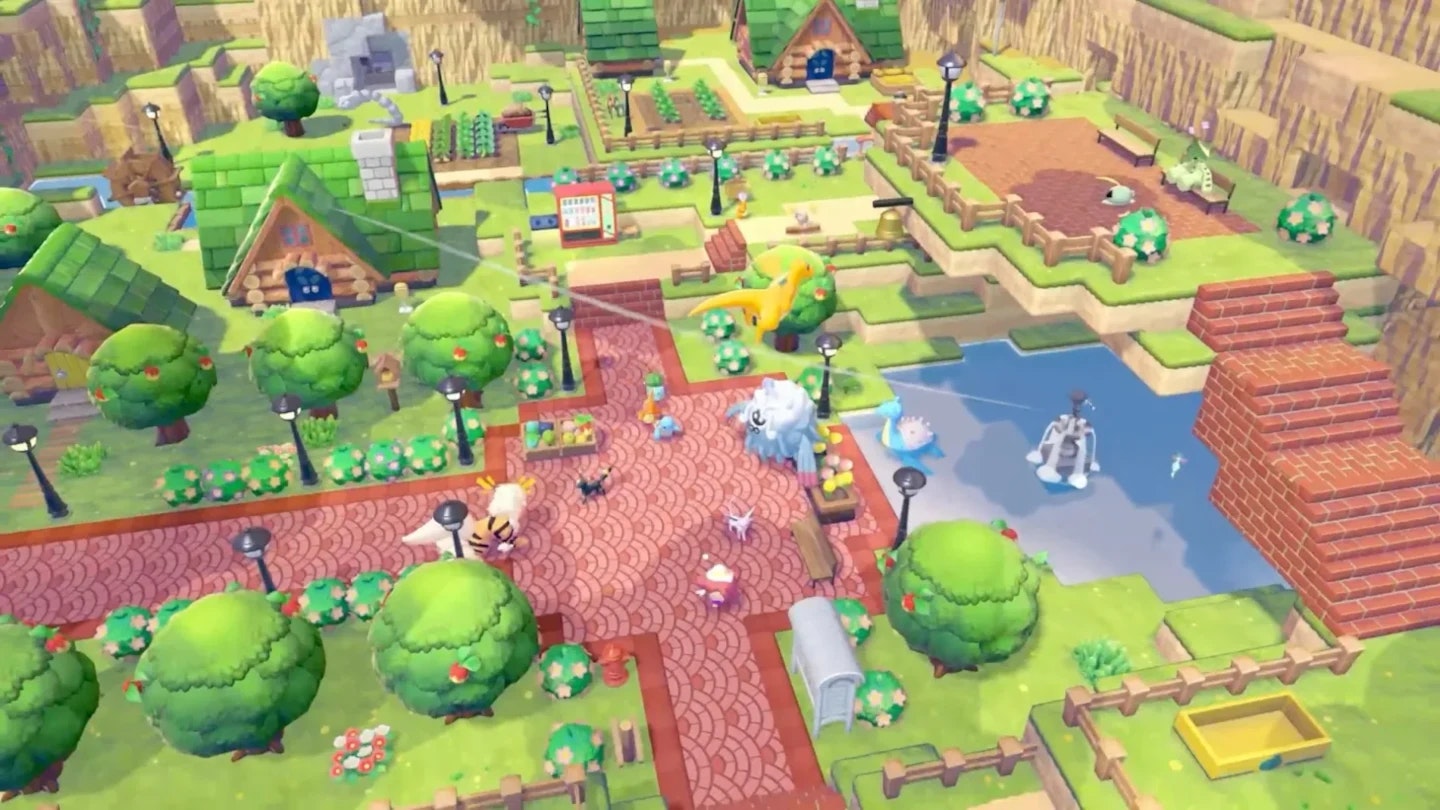
Structurally, Pokopia is a mélange of Minecraft’s entirely transformable terrain, with the whole world being formed of destructible cubes; Story Of Seasons’ resource gathering and crafting; and, perhaps most obviously, Animal Crossing’s focus on community building. It’s more ambitious than all of those though, as there’s not just one world to terraform or island to beautify, but multiple vast regions to uncover — four main areas with a degree of guided redevelopment to move you through the plot, ephemeral “Dream Islands” you can temporarily visit to find rarer materials, and a blank slate territory (with a very familiar name to long-time fans) that you can restructure however you want.
…it makes Animal Crossing look restrictive in comparison.
Completing objectives set by Professor Tangrowth or other key characters opens up the new core areas, each presenting a different biome, and all tied to Pokémon lore. That narrative thread gives a welcome through-line that many crafting games lack, while still giving players the freedom to design their fiefdoms around it as they see fit.
It all makes for a real showcase of the Switch 2’s power – given the original Switch struggled with the open areas of 2019’s Pokémon Sword/Shield, the vast maps here that can be reshaped cube by cube feel almost magical in comparison. Meanwhile, Ditto can learn literally thousands of crafting recipes for decorations and structures, from simple wooden stools to complex infrastructure, allowing players to tweak designs and layouts to such ridiculously fine detail that it makes Animal Crossing look restrictive in comparison.
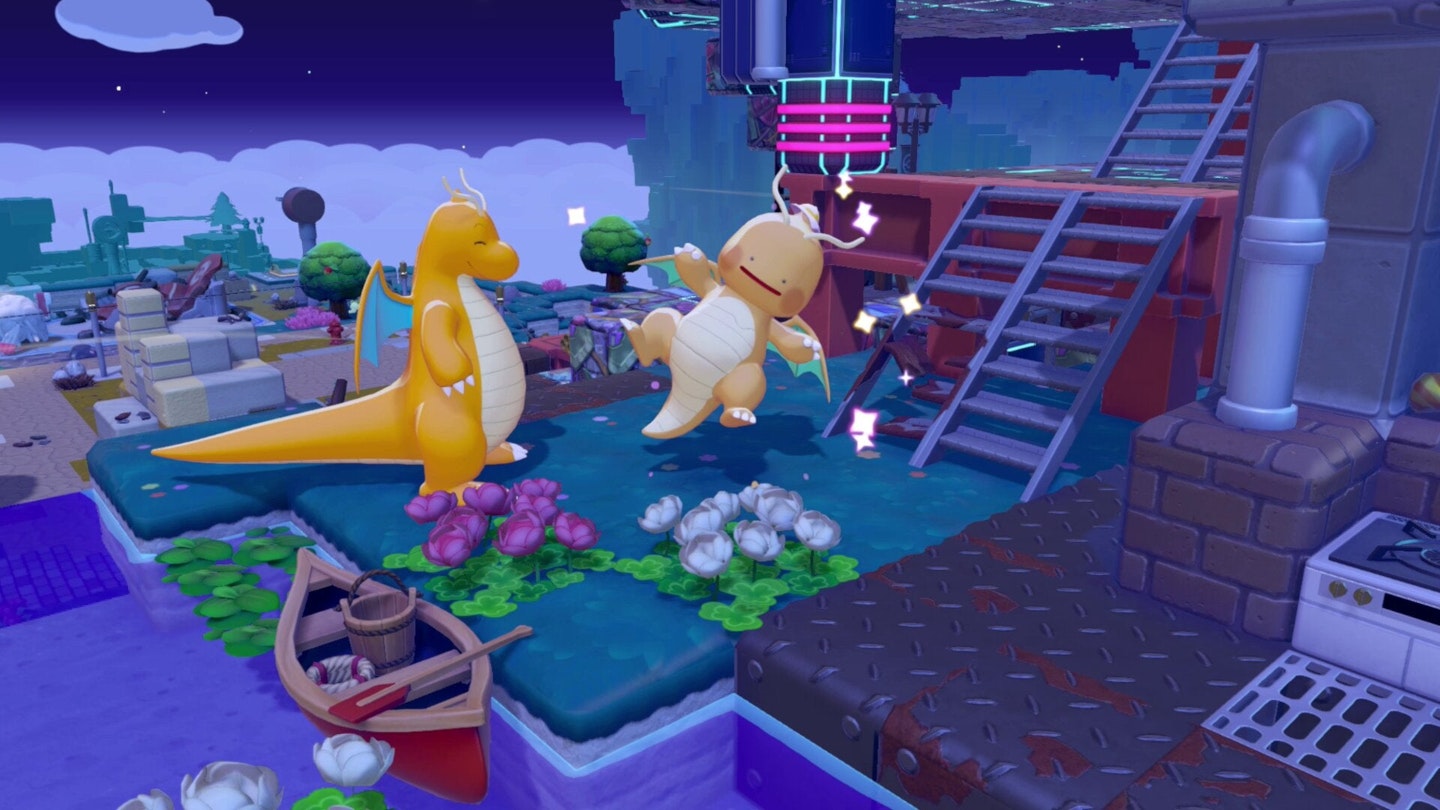
That precision is also Pokopia’s biggest problem though, making for a frankly dangerous time sink. It’s the new undisputed master of wickedly addictive gameplay loops, an endless stream of effortlessly charming quick tasks — “I’ll just make that habitat”, or “I’ll just mine a bit more of that resource”, or “I’m almost done on this quest”, or… — that chain together into sleepless nights and lost weekends. It’s a problem exacerbated by both real time waits for major construction work to complete in-game (although even the worst culprits only seem to take until the next day, mercifully), and the often painfully slow pace that villager Pokémon tend to follow you at. Movement speed varies by species, but when you need to take one to a specific facility to use their ability or assign them to a build project, and they’re lagging half a map behind you, it makes the whole game feel unnecessarily padded.
It would be immensely frustrating if not for the fact that Pokopia is so genuinely compelling. Despite its gentle pace and adorable aesthetics, the dark melancholy that runs underneath it all — the Pokémon wondering aloud why their humans left them, the hints you’ll uncover of what caused the end of the world, the smaller character moments tinged with sadness — helps give this an edge that the series has never had before. It’s Pokémon like you’ve never seen it, and all the better for it – you just might need to take some time off work before throwing yourself in.