

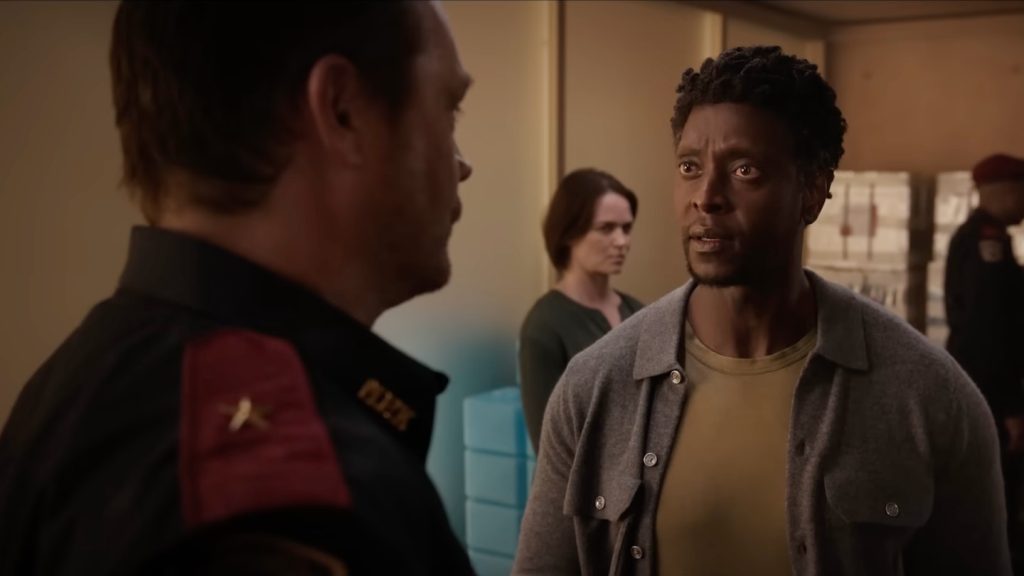
In an alternate-history 2013, tension between the Mars colony and Earth reaches a boiling point and threatens open rebellion.
Streaming on: Apple TV
Episodes viewed: 8 of 10
TV’s under-the-radar masterpiece continues to go quietly from strength to strength. This is an alternate history of humanity if the USSR had landed on the moon first and the Space Race had become more marathon than sprint, and in its fifth season, it imagines a world that’s far more advanced than ours in many ways, but horrifyingly plausible in others.
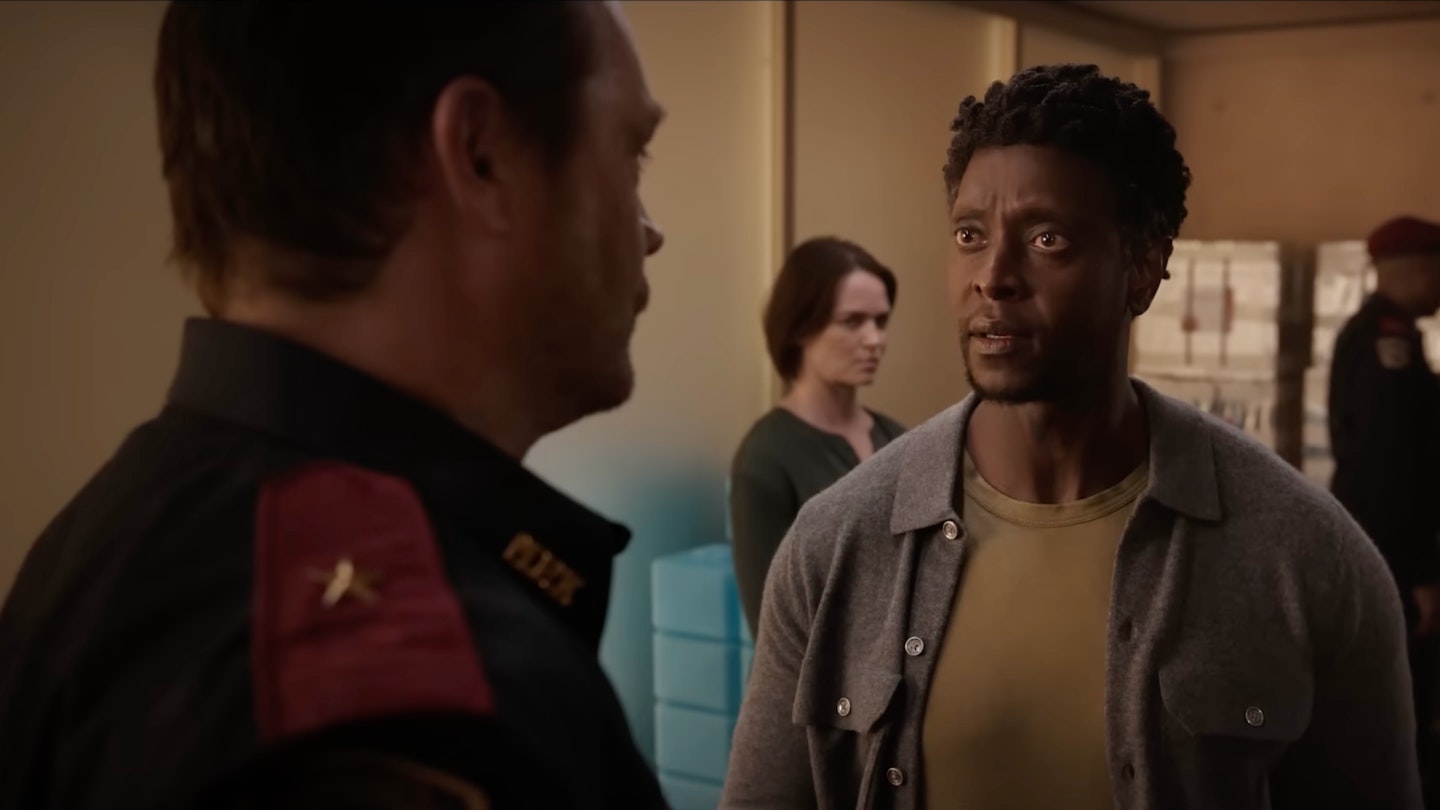
Rather than a Star Trek-like, post-scarcity utopia, this world suffers the same problems of greed and petty rivalry as our own. There’s a Martian colony in 2013, sure, and they’re building a space elevator especially to delight watching sci-fi nerds, but there are also giant corporations underpaying workers and governments jockeying for position. Its closest relative is probably The Expanse, but even that has more extraordinary elements than this meticulously created alt-history. After all, it’s technically historical rather than futuristic; these Martians recently enjoyed ‘Gangnam Style’ and are still doing flash mobs.
If you spot a parallel to current controversies over AI, you’re probably bang on.
It’s filtered through the lives of vividly drawn characters, notably the Baldwin family: fading rebel patriarch Ed (Joel Kinnaman), his scientist daughter Kelly (Cynthy Wu) and her adult son Alex (Sean Kaufman). Deeply rooted on Mars, they’re perpetually at risk of Earth losing interest in her colony before it achieves self-sufficiency, while Kelly’s search for life on other planets sees her push to go even deeper into the solar system. She’s up against powers who would rather send an unmanned probe, always trying to remove the messy human element from progress. If you spot a parallel to current controversies over AI, you’re probably bang on.
That’s typical of the depth and richness of this series, which touches on capitalistic manipulation, geopolitical fuckery and police corruption, explored via Mireille Enos’ idealistic Mars Peacekeeper. Such big ideas are leavened by emotional whammies that verge on sentimentality, but given how hard this show jerks tears when it chooses, it’s at least effectively deployed.
Some might quibble over the old-age make-up now being applied to half the principal cast, but while a tiny suspension of disbelief is sometimes required, notably for the octogenarian Kinnaman, Cynthy Wu is still in her twenties and convincingly plays a 50-something, so there’s far more right here than wrong. And while large swathes of this season take place in the confined tunnels of the Mars colony, no show on TV is better at reminding us that there’s a great big solar system just outside — and no show is better at reminding us that it’s only our own silly fault we’re not pushing to get out there right now.
The storytelling is smart and the worldbuilding world-beating, but it’s the characters’ deeply felt commitment to progress and each other that makes this come alive and soar to the stars.