



Jump to a section:
We believe in genuine research and hands-on testing. If you do too, click here to add Empire as a preferred source on Google.
Watching TV in the same old spot is no longer necessary. A portable projector transforms the experience, allowing you to trade your living room for an outside space or wherever you’ve ended up on a weekend away. The best projectors on the market hold up remarkably well against traditional quality screens, and that includes some models which are small enough to take with you as you travel.
Bigger projectors, like the Valerion VisionMaster Pro 2 we tested, are of course more powerful, but several specs remain surprisingly comparable. Many even have smart operating systems built-in, giving you immediate access to streaming services like Netflix without the need to connect to a laptop or phone.
Best portable projectors at a glance
Portability comes in a few guises. Certain projectors, though still meant for mainly indoor use, are small enough to slip into a backpack – perfect companions for parties, events, or bringing a cinema-style experience to a friend’s house. While this type may have additional cables or need access to a power supply, others are purpose-built for the outdoors: toughened, water-resistant, battery-powered, and ideal for everything from garden gatherings to off-grid adventures.
Of course, several key factors separate the best from the merely serviceable. Brightness and resolution still determine how sharp and vivid a projected image will appear. Dimensions and weight set the boundaries of true portability, while built-in smart features deliver convenience on the move. Then there’s price – even the most affordable options will still be three figures. We’ve inspected the market and found our picks for the best portable projectors that we think are worth your time and money.
How we chose the best portable projectors
We’ve prioritised technical aspects such as resolution and brightness when choosing the best portable projectors, while also taking into account aspects like connectivity, size and weight. We’ve included options at various prices to reflect different budgets and have selected brands that we trust. Well-known and reputable retailers are featured. Find out more about how we recommend products.
Best portable projectors of 2026
Researched & recommended
Best overall portable projector
 Hisense
Price: £939.00
Alternative retailers
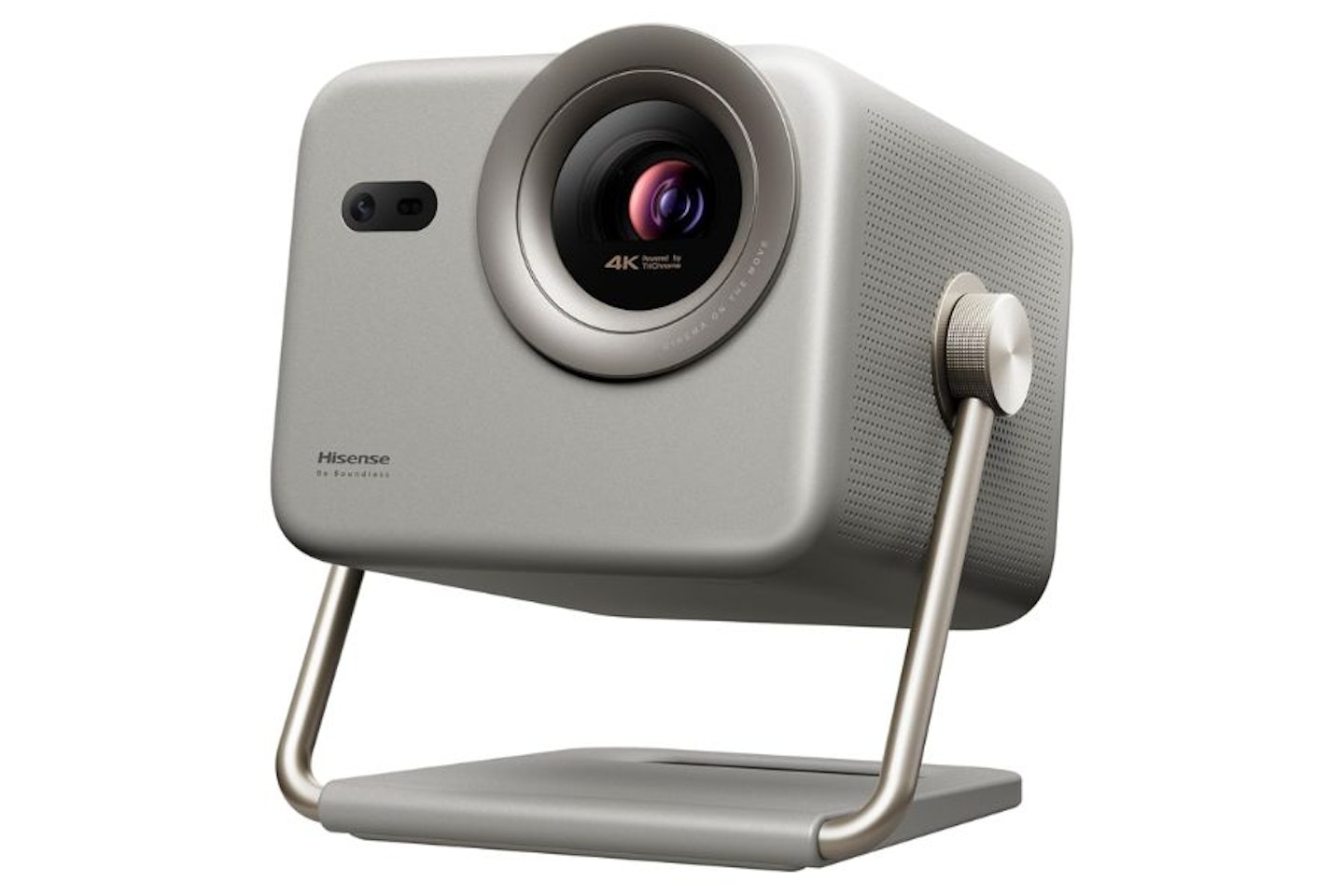
Our top pick for the best overall portable projector masterfully blends advanced specs with everyday adaptability. The Hisense M2TUK Pro showcases impressive credentials, notably its 4K resolution, delivering images rich in detail and easily rivaling quality TVs. A brightness rating of 1300 ANSI lumens ensures clear, well-defined visuals, even in challenging lighting. Coupled with HDR10 and Dolby Vision support, the projector produces exceptional colour and strong contrast for a truly cinematic experience.
Flexibility is another standout feature of this Hisense model. Its adjustable projection range – from 65 to 200 inches – means it adapts seamlessly to a variety of environments, whether you’re set up in a cozy living room or taking movie night outdoors.
Rounding out the package, the built-in speakers provide satisfying audio for a portable device, while integrated voice assistant support makes operation refreshingly straightforward. The only real drawback is the limited range of connectivity options, though this minor shortcoming doesn’t detract from an otherwise versatile and high-performing projector.
Pros
- Very impressive 65-200-inch projection range
- Excellent brightness and 4K resolution
- Dolby Vision results in vibrant colours and visuals
Cons
- Limited connectivity options
| Resolution | 3840 × 2160 (4K) |
| Brightness | 1300 ANSI lumens |
| Maximum image size | 200 inches |
| Refresh rate | 60Hz |
| Audio | Dual 10 W speakers – DTS Virtual X |
| HDR support | HDR10, Dolby Vision |
| Smart features | VIDAA OS Vidaa Voice Assistant |
| Connectivity | 1 × HDMI, 1 x USB‑3.0, Wi‑Fi, Bluetooth 5.0 |
| Dimensions | 23 x 19.3 x 21.8 cm |
| Weight | 3.9 kg |
Price: £939.00
Researched & recommended
Best budget portable projector
 NothingProjector
Rrp: £169.00
Price: £135.00
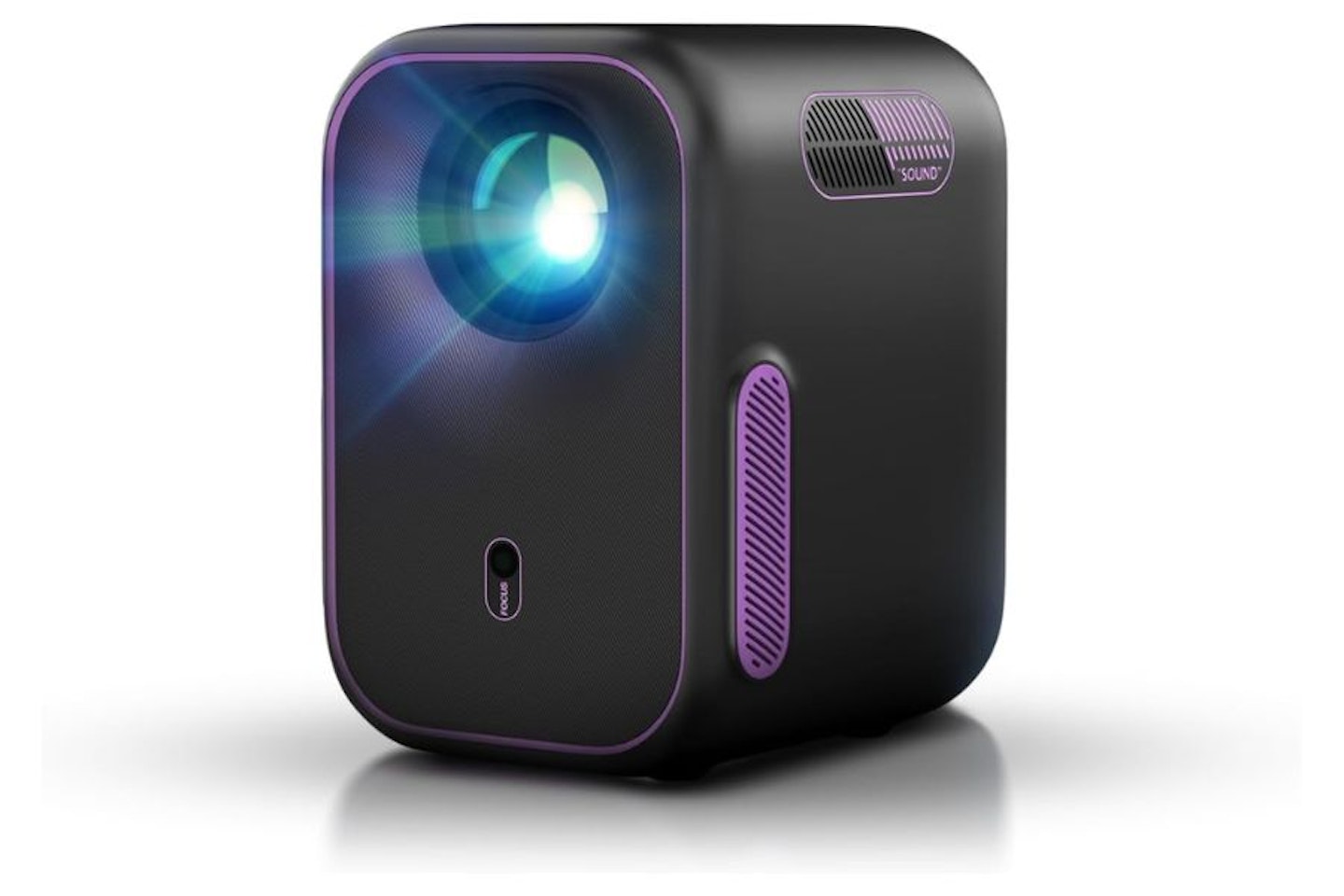
Portable projectors are rarely budget-friendly, but the NothingProjector One breaks the mould, coming in under £200 while maintaining solid performance. With full HD resolution that rivals models at twice the price and support for HDR10, it delivers vibrant, engaging visuals. Although 300 ANSI lumens can’t match the brightness of premium rivals, it’s respectable for its class and works best in dimmer spaces. Those planning to watch in well-lit rooms may want to consider investing a little more.
Weighing just 1.25kg and compact enough to slip easily into a backpack, this model is ideal for film nights at a friend’s place or as a space-saving TV alternative.
The entertainment experience is enhanced further by Google TV integration, putting YouTube, Netflix, Prime Video, and other streaming favourites at your fingertips from the moment you power it on. For affordable, on-the-go viewing, the NothingProjector One is an appealing pick.
Pros
- Google TV is ideal for easy access to streaming
- Excellent value for money for a portable FHD projector
- Size is small enough to fit in a backpack
Cons
- Brightness is underwhelming
| Resolution | 1920 x 1080, 4K (supported only) |
| Brightness | 300 ANSI lumens |
| Maximum image size | 120 inches |
| Refresh rate | 60Hz |
| Audio | Dual 3 W speakers, Dolby Audio supported |
| HDR support | HDR10 |
| Smart features | Google TV built‑in, voice control via Assistant, Chromecast |
| Connectivity | 1 x HDMI, 1 x USB, Audio Out (3.5 mm), Wi-Fi 6, Bluetooth 5.2 |
| Dimensions | 23.15 × 17.5 × 8.2 cm |
| Weight | 1.25 kg |
Rrp: £169.00
Price: £135.00
Researched & recommended
Best outdoor portable projector
 Anker
AnkerRrp: £799.99
Price: £529.00
Alternative retailers
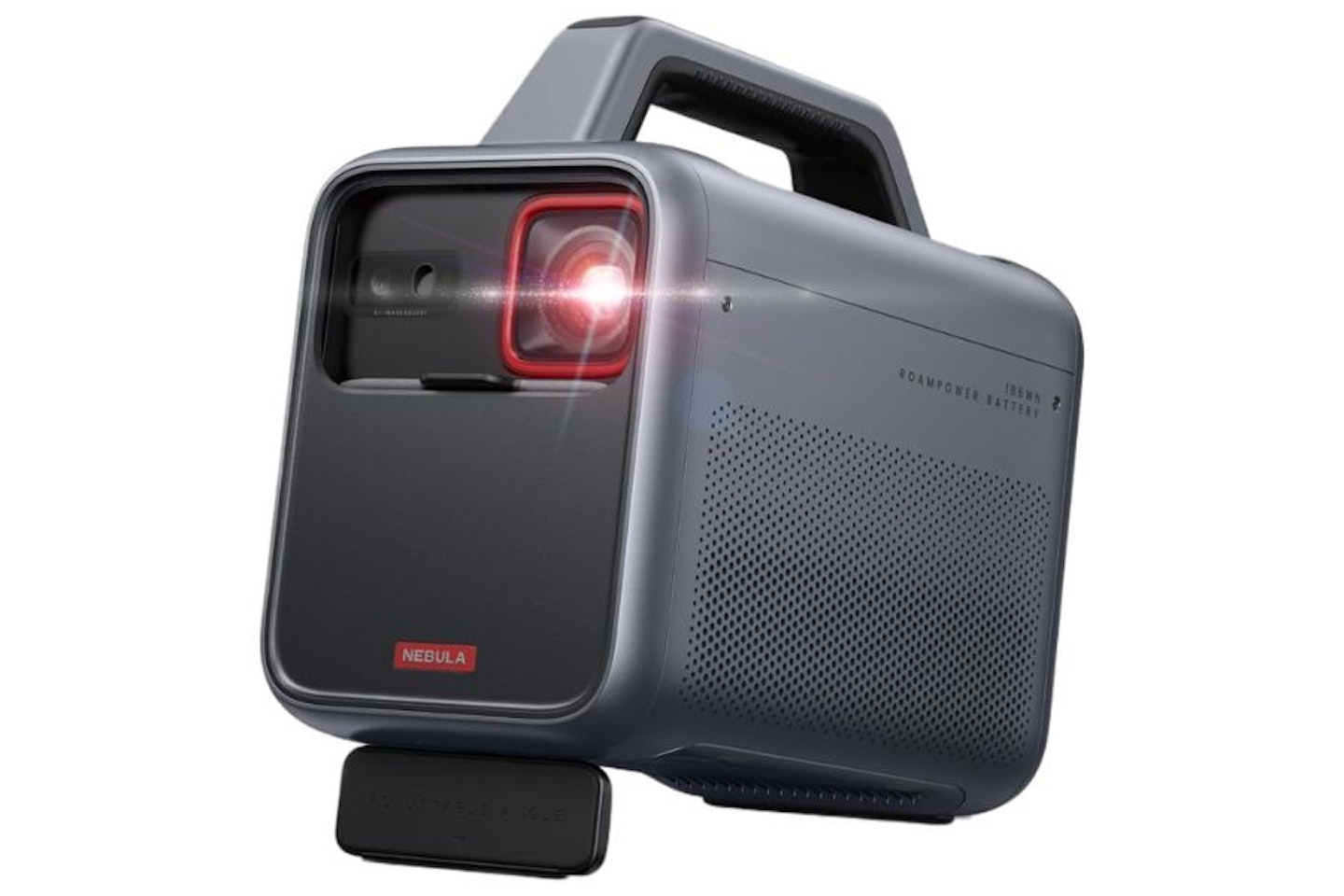
Among portable projectors, the Anker Nebula Mars 3 stands out as a top option for outdoor use. Its robust, drop-resistant construction provides peace of mind against accidental knocks, while a convenient handle makes it easy to transport. The IPX3 waterproof rating adds extra assurance, allowing it to withstand some water – ideal for camping trips or backyard movie nights without worrying about the weather.
Performance specs are well balanced for its price, offering 1080p resolution, HDR10 support, and a notable 1,000 ANSI lumens of brightness for crisp detail and vibrant contrast. The real highlight is its battery life: in eco-mode, the Mars 3 delivers up to five hours of playback, enough for two full-length films when no power outlet is available, perfect for unwinding off the grid. While native Netflix is absent, streaming is easily managed with a connected phone or streaming stick.
As an added perk, the Mars 3 serves as a power bank, allowing you to recharge other devices on the go. Whether you’re prioritising lasting battery life or need backup power for your gadgets, this projector proves itself a versatile companion for any adventure.
Pros
- Durable IPX3 waterproofing
- Doubles as a powerbank
- Up to five hours battery life in Eco mode
Cons
- No Netflix natively
| Resolution | 1080p |
| Brightness | 1000 ANSI lumens |
| Maximum image size | 200 inches |
| Refresh rate | 60Hz |
| Audio | Dolby Audio and 40 W speakers |
| HDR support | HDR10 |
| Smart features | Android TV OS (no native Netflix), Google Assistant voice control |
| Connectivity | 1 × HDMI, 1 × USB‑A, 1 × USB‑C, 3.5mm aux, Bluetooth, Wi-Fi |
| Dimensions | 16 x 25 x 26 cm |
| Weight | 4.5 kg |
Rrp: £799.99
Price: £529.00
Researched & recommended
Best 4K portable projector
 Anker
AnkerPrice: £2199.00
Alternative retailers
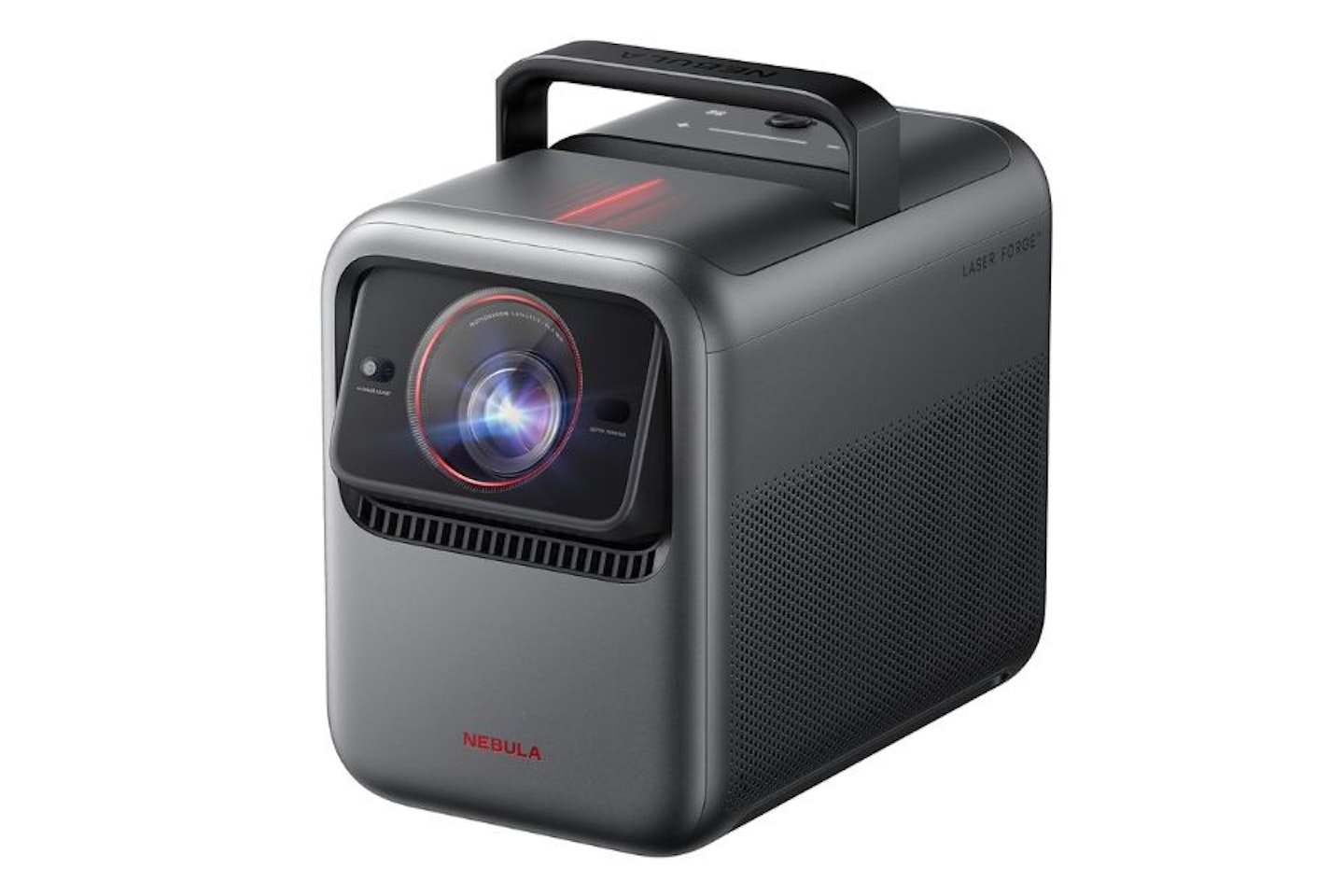
Crisp resolution is key to outstanding image quality, making a 4K projector like the Nebula X1 a smart choice for serious viewing. With both 4K resolution and HDR10 support, it delivers exceptional detail and contrast. What sets the Nebula X1 apart are its added strengths: it supports projection sizes up to 300 inches (far larger than most portable rivals) and boasts a powerful 3,500 ANSI lumens, ensuring bright, easily viewable images even in daylight.
A standout feature is its AI Spatial Adaption. This technology automatically adjusts focus and optimises the projection area, intelligently avoiding obstacles in the environment, streamlining setup and saving valuable time.
Naturally, such top-tier picture quality comes with some trade-offs. The Nebula X1 is bulkier than many portable options and needs to be plugged in during use. Despite its sturdy handle and thoughtful design, it’s best suited for indoor environments or settings where a power source is readily available.
Pros
- Excellent 4K visuals with great contrast
- Maximum image size lets you watch content on a larger scale
- AI Spatial Adaptation makes it easy to get superb image quality
Cons
- Lacks an internal battery, so you’ll need a power source to use it
| Resolution | 4K |
| Brightness | 3,500 ANSI Lumens |
| Maximum image size | 300 inches |
| Refresh rate | 240Hz |
| Audio | 40W stereo sound, Dolby Audio |
| HDR support | HDR10 |
| Smart features | AI Spatial Adaptation, Netlfix native, Google TV |
| Connectivity | HDMI 2.1 x 2, USB-A x 1, USB-C x 1 |
| Dimensions | 24.6 x 18.6 x 28.2 cm |
| Weight | 6.2 kg |
Price: £2199.00
Researched & recommended
Best mid-budget portable projector
 XGIMI
XGIMIPrice: £679.00
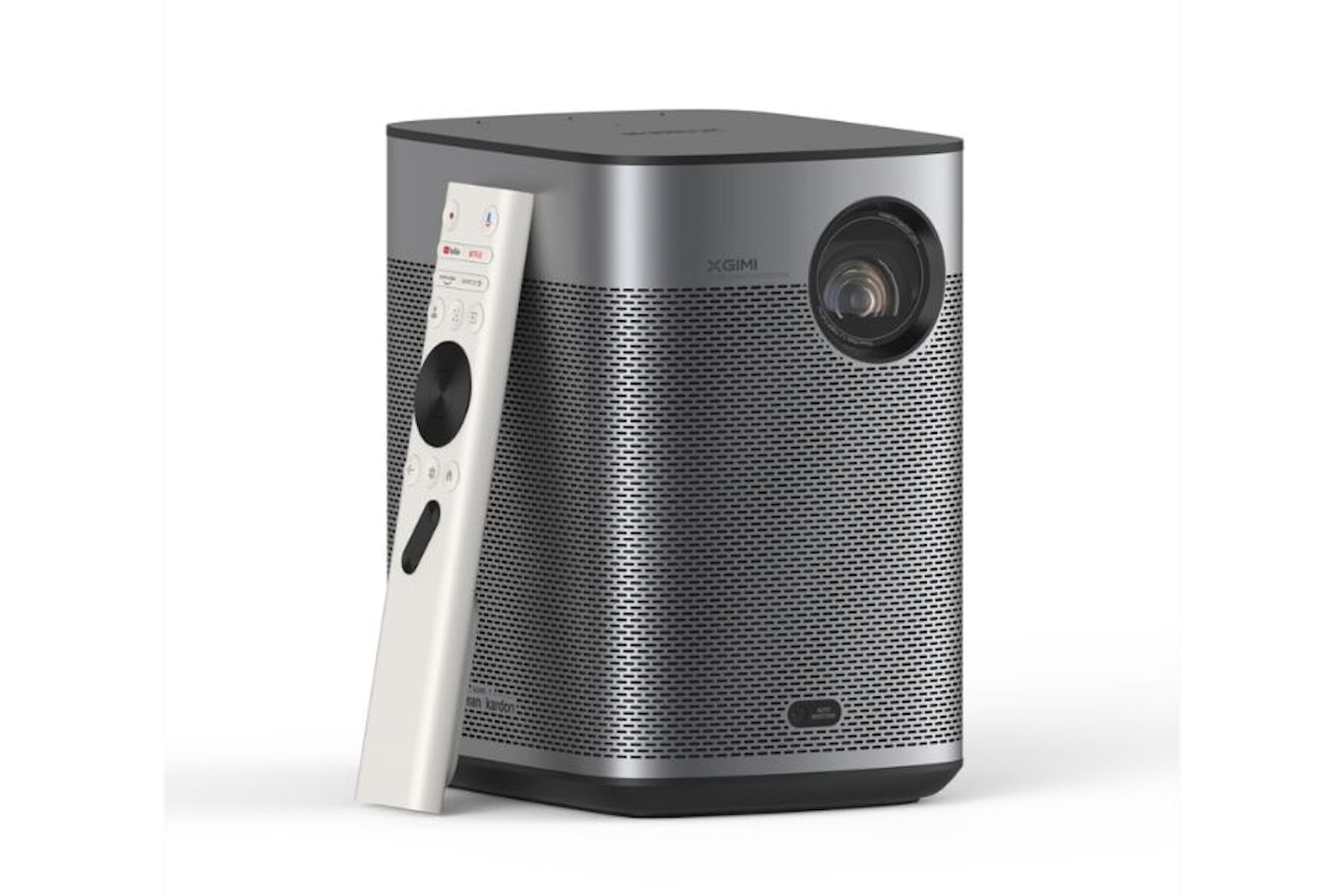
Beyond our top overall pick, the most adaptable portable projectors are often around the price of the XGIMI Halo+. This model is built for flexibility, offering a lightweight design that’s easy to carry as well as work seamlessly in one spot at home. Access to streaming apps is extensive thanks to Google TV integration, and its built-in speakers are more than capable, so there’s no pressing need for a soundbar or other additional audio kit.
User-friendliness is where the Halo+ excels. The streamlined operating system makes navigation straightforward, and integrated Auto Focus removes the guesswork from setup, ensuring a sharp picture with minimal hassle. The 2.5-hour battery life is ideal for enjoying a full-length film away from home.
With 900 ANSI lumens brightness, the Halo+ is adequate, but will still perform best indoors or in shaded environments.
Pros
- Solid set of specs for a mid-budget price
- Suitable for portable or home use
- Simple and convenient to set up with Auto Focus
Cons
- Maximum brightness doesn’t hit the highs of more refined models
| Resolution | 1080p |
| Brightness | 900 ANSI lumens |
| Maximum image size | 200 inches |
| Refresh rate | 60 Hz |
| Audio | 2 x 5W Harman Kardon speakers |
| HDR support | HDR10 |
| Smart features | Android TV (Google Assistant, Chromecast built-in, app store) |
| Connectivity | HDMI, USB, Bluetooth, Wi-Fi, headphone out |
| Dimensions | 17.1 x 11.3 x 14.5 cm |
| Weight | 1.6 kg |
Price: £679.00
Hands-on tested
Best micro portable projector
Rrp: £399.99
Price: £299.00
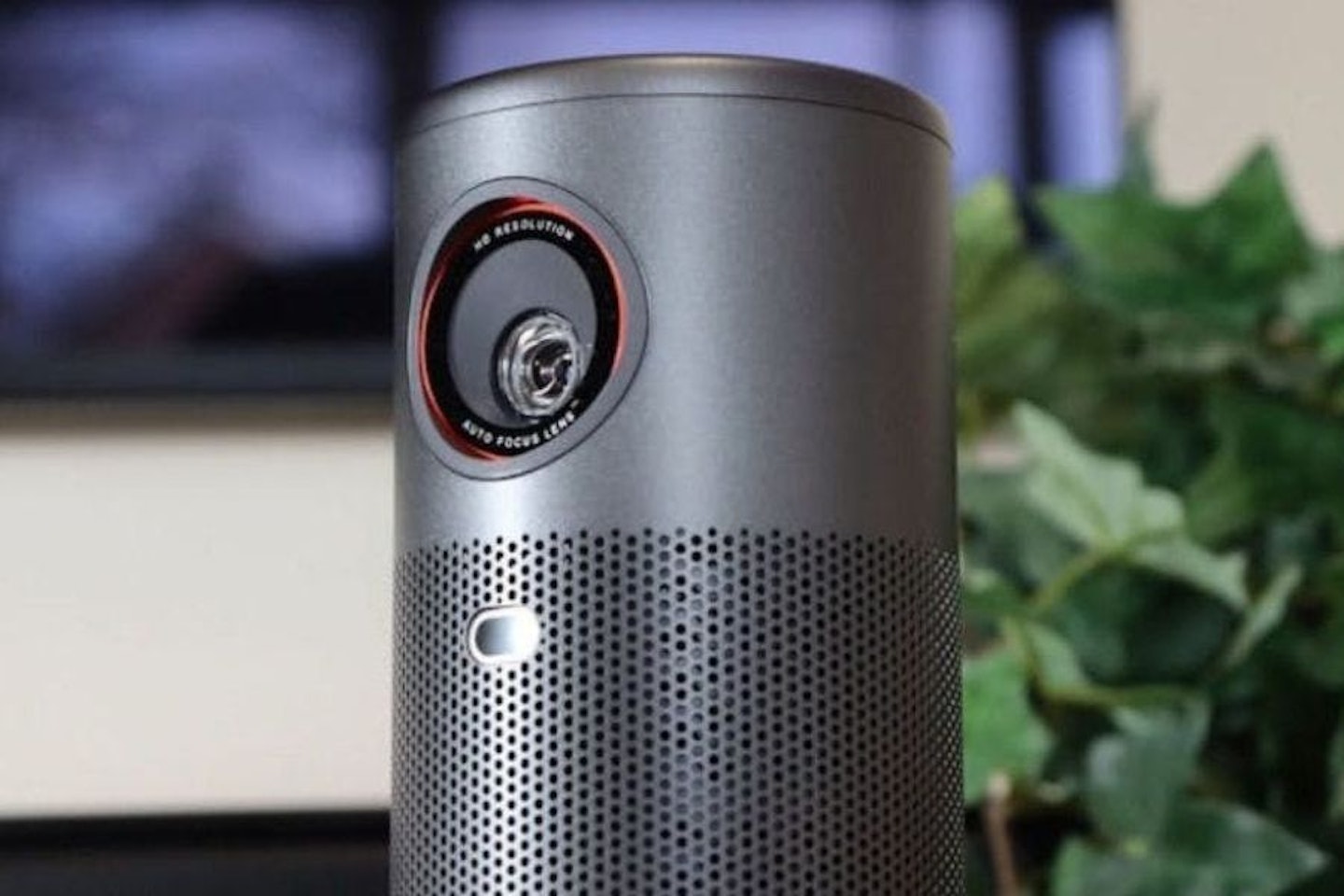
For those who prioritise portability above all else, the Nebula Capsule Air Projector is a standout choice. Among portable projectors, this model is exceptionally compact and light, making it easy to slip into even a crowded bag. Despite its small footprint, it can project an image up to 100 inches—less than some of the larger models on our list, but impressive for a unit of this size.
Naturally, its small size does mean less power. With 150 ANSI lumens, brightness is limited, so it performs best in darkened rooms. Resolution tops out at 720p, which falls short of the sharper detail offered by 1080p projectors. However, for true grab-and-go convenience, the Nebula Capsule Air is hard to beat and it offers excellent affordability. Sitting between budget and mid-budget options, it’s great value.
Read our full Nebula Capsule Air projector review.
Pros
- Tiny build makes it unmatched for portability
- Despite the small size, the audio is still very good
- Inexpensive for a projector
Cons
- 720p resolution keeps this as purely a portable option and not one for home use
| Resolution | 720p |
| Brightness | 150 ANSI lumens |
| Maximum image size | 100 inches |
| Refresh rate | 60Hz |
| Audio | 5W, Dolby Audio |
| HDR support | N/A |
| Smart features | Google TV operating system, Google Assistant |
| Connectivity | 1 x HDMI , 1 x USB C, Bluetooth, Wi-Fi |
| Dimensions | 6.8 x 6.8 x 14 cm |
| Weight | 1.37 kg |
Rrp: £399.99
Price: £299.00
Hands-on tested
Best compact portable projector
Rrp: £899.99
Price: £596.00
Alternative retailers
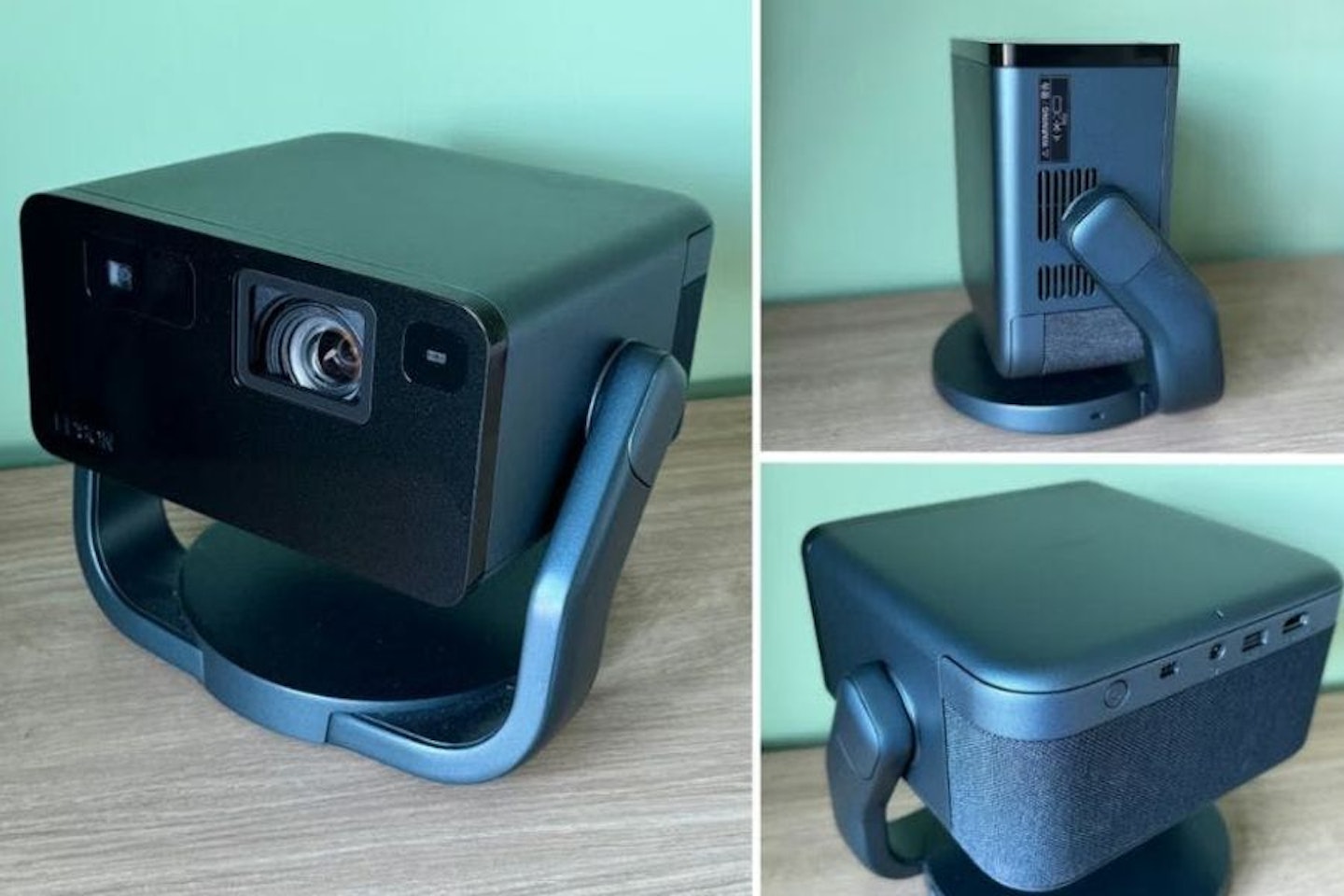
The Epson EF-22 Projector may appear understated, but it’s a compact and practical choice with plenty to offer. Its low profile allows it to fit into tighter spaces than many competitors, while the adjustable stand makes finding the ideal viewing angle a breeze. Whether you want to project high on a wall or even onto the ceiling, this model adapts easily. With solid resolution and 1,000 ISO lumens of brightness, it performs well without the need for a pitch-dark room.
Google TV integration means streaming apps are at your fingertips, and voice assistant support simplifies navigation, eliminating the need to constantly scroll through menus. Bluetooth connectivity is another highlight, making it easy to pair with devices and reducing cable clutter.
Although its maximum projection size tops out at 150 inches (a little less than some rivals in this price range) it remains a well-rounded, flexible projector with strong everyday usability.
Read our full Epson EF-22 review.
Pros
- Compact and practical design
- 1000 ISO lumens is plenty brightness for portable use
- Google TV and Voice Assistant are easy to use
Cons
- Other models manage a more impressive maximum image size
| Resolution | 1080p |
| Brightness | 1000 ISO lumens |
| Maximum image size | 150 inches |
| Refresh rate | 60Hz |
| Audio | 5W, Dolby Audio |
| HDR support | HDR10 and HLG (Hybrid Log-Gamma) |
| Smart features | Google TV operating system, Google Voice Assistant |
| Connectivity | 1 x HDMI ARC, 1 x USB-A, 1 x USB Mini-B, Jack plug out, Bluetooth |
| Dimensions | 6.8 x 6.8 x 14 cm |
| Weight | 1.37 kg |
Rrp: £899.99
Price: £596.00
Researched & recommended
Best portable projector for brightness
 XGIMI
XGIMIPrice: £1799.00
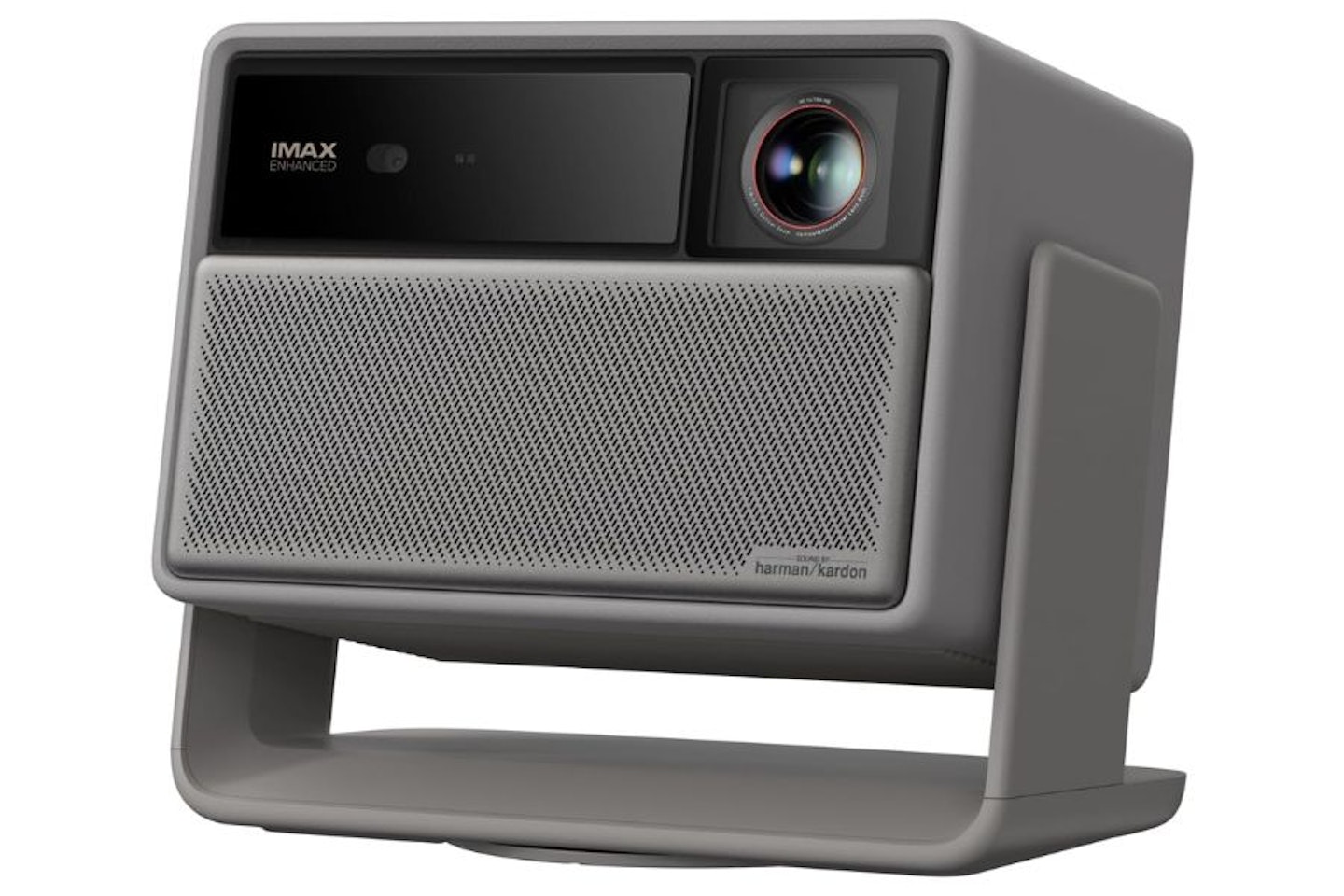
If brightness is your top priority, the XGIMI HORIZON 20 Pro stands out as an excellent choice. With an impressive 4,100 ISO lumens, this projector delivers vibrant, clear images even in broad daylight. Though its build is a little bulkier than some other portable options, any concerns about dim visuals can be put to rest.
The HORIZON 20 Pro’s strengths don’t end with brightness. It supports screen sizes up to a massive 300 inches, providing flexibility for larger viewing spaces. Twin 12W speakers combined with Dolby Audio deliver audio quality comparable to many TVs, while 4K resolution ensures crisp, detailed visuals.
Gamers will also appreciate the device’s variable refresh rate, which can reach up to 240Hz. This feature dynamically adjusts the refresh rate to match the source content, eliminating stutter – whether you’re on a console locked to 120Hz or experimenting with higher frame rates, you’ll enjoy smooth, responsive gameplay.
Pros
- Variable Refresh Rate is great for gaming
- Incredible 4,100 ISO lumens brightness
- Great contrast and 4K visuals
Cons
- Not the most portable option, but can still be taken on travels
| Resolution | 4K |
| Brightness | 4,100 ISO lumens |
| Maximum image size | 300 inches |
| Refresh rate | 240Hz |
| Audio | 2 x 12W speakers, Dolby Audio |
| HDR support | HDR 10+, IMAX Enhanced, Dolby Vision |
| Smart features | Google TV, Variable Refresh Rate, Auto Focus, Intelligent Object Avoidance |
| Connectivity | HDMI x 2, USB 3.0 x 1, USB 2.0 x 1, Audio, Optical, Wi-Fi, Bluetooth |
| Dimensions | 24.9 × 29.8 × 19 cm |
| Weight | 4.9 kg |
Price: £1799.00
Researched & recommended
Best portable projector for sound
 XGIMI
XGIMIPrice: £219.00
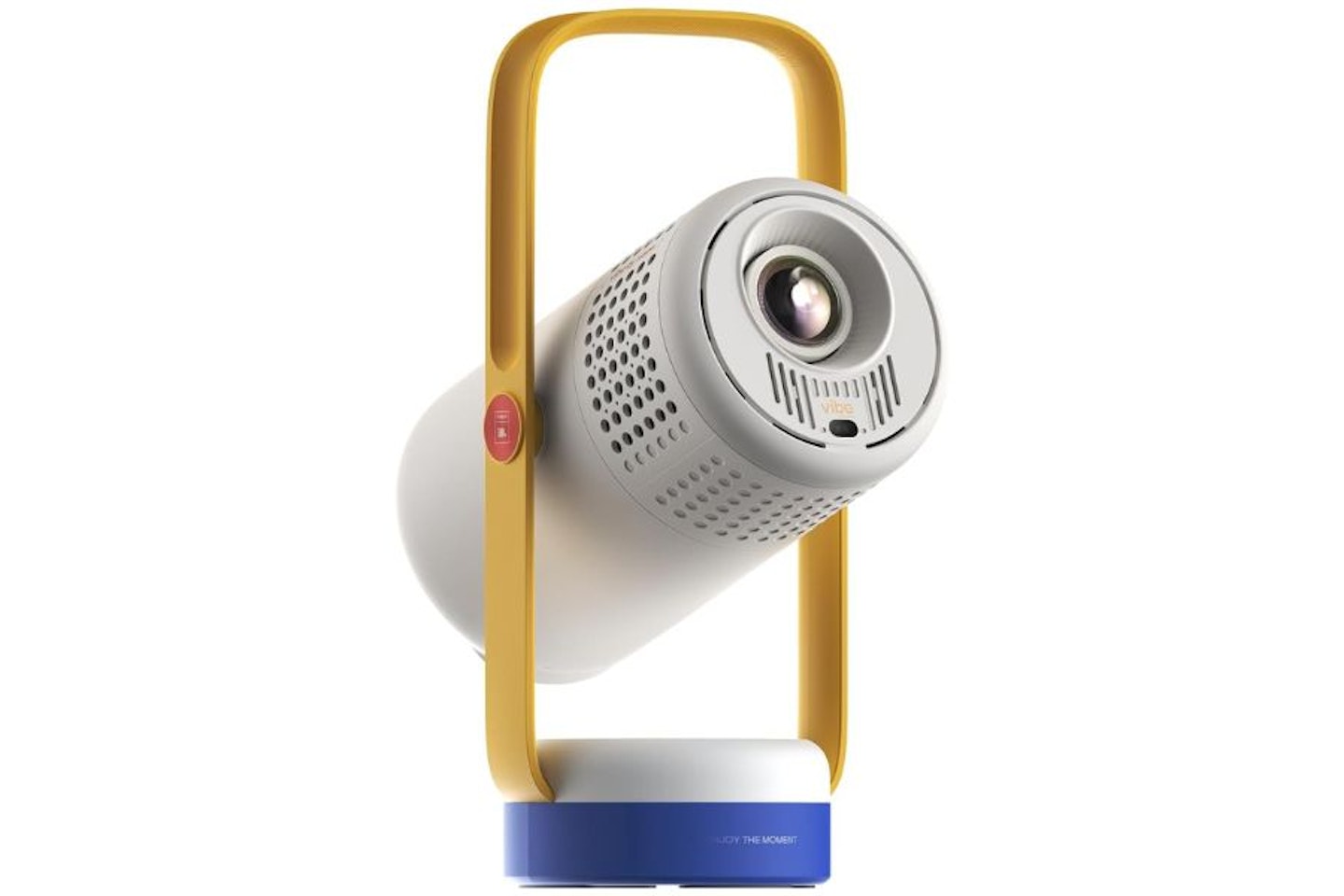
While the XGIMI Vibe One might not claim top spot for raw power, it easily stands out for its unique design and versatility. Compact and lightweight, it functions both as a projector and a portable speaker, perfect for enjoying music before switching to movie mode. Although the audio output may seem modest on paper, Dolby Audio ensures a refined and satisfying listening experience.
The Vibe One’s portability is enhanced by a convenient handle, making travel effortless and setup simple, especially if you want to project onto a ceiling. Despite its compact frame, it still impresses with 1080p resolution, and its maximum image size surpasses some bulkier rivals in the category.
Brightness, at 250 ISO lumens, is on the lower side, so best results come in darker environments. However, for those willing to prioritise quality sound and flexible design over sheer visual punch, the Vibe One offers a compelling and distinctive portable projector experience.
Pros
- Highly portable design that is lightweight and includes a handle
- Respectable resolution and image size for its build
- Dual purpose functionality as a Dolby Audio speaker
Cons
- 250 ISO lumens is so-so for brightness
| Resolution | 1080p |
| Brightness | 250 ISO lumens |
| Maximum image size | 150 inches |
| Refresh rate | Approx. 60Hz |
| Audio | 2 x 3W JBL-powered speakers, Dolby Audio |
| HDR support | N/A |
| Smart features | Google TV, Netflix built-in, adjustable angle |
| Connectivity | HDMI x 1, USB x 1, Wi-Fi, Bluetooth |
| Dimensions | 30.7 x 11.5 x 13.5 cm |
| Weight | 1.4 kg |
Price: £219.00
Researched & recommended
Best gaming portable projector
 BenQ
BenQPrice: £2455.00
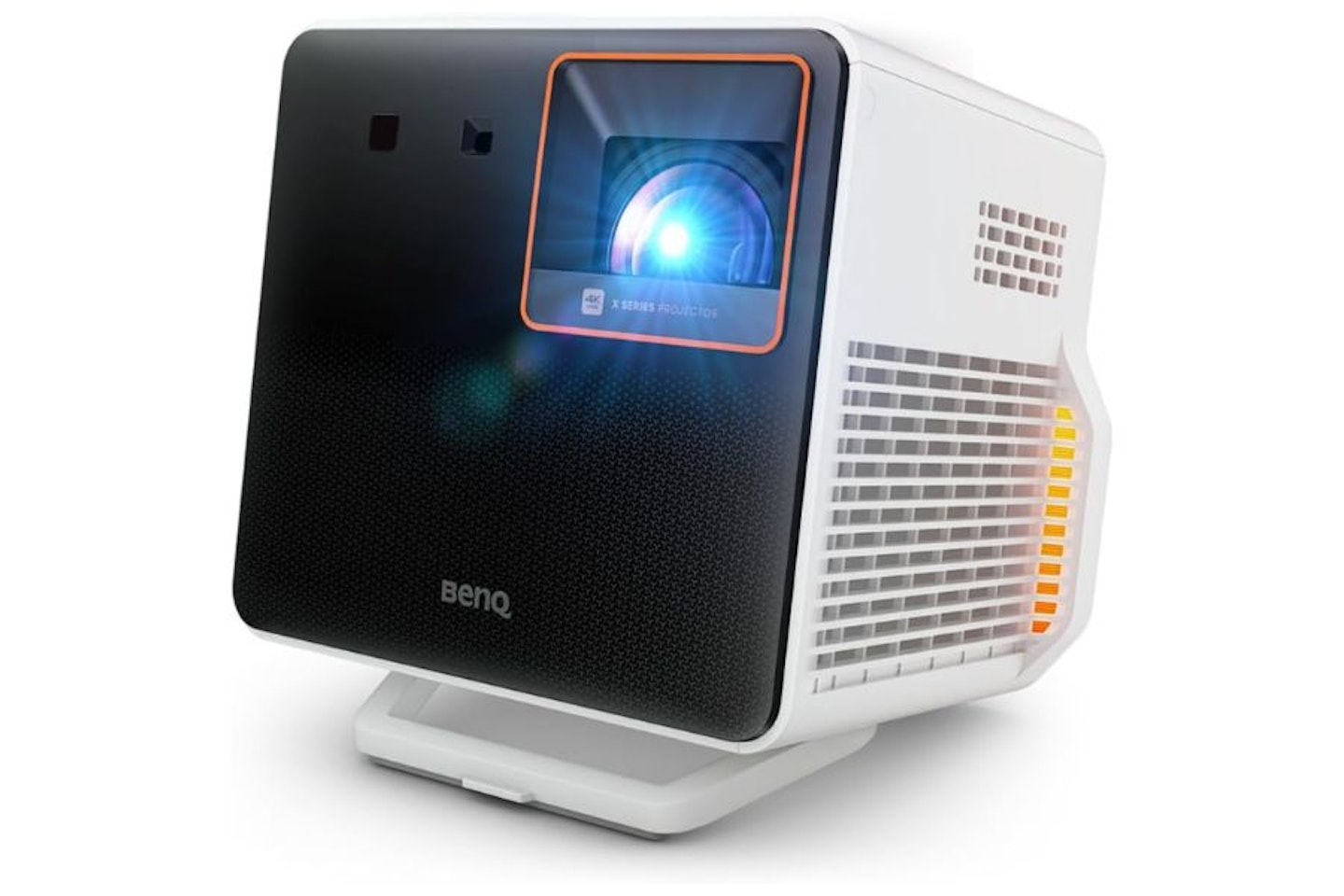
While gaming monitors and TVs are our usual picks for serious play, the rise of hybrid and portable consoles like the Nintendo Switch 2 and ROG Xbox Ally makes large-screen gaming on the go a real advantage. BenQ’s X300G gaming projector brings that experience to life, pairing 4K resolution, 2,000 ANSI lumens of brightness, and a speedy 240Hz refresh rate for impressive visuals. Yet, it’s the dedicated gaming features that truly make it shine.
Two standout advantages are its ultra-low input lag and the built-in FPS crosshair. The X300G achieves a remarkably low 4.16ms input lag, ensuring rapid, responsive performance – a crucial factor for fast-paced genres like racing or shooters. While monitors and TVs can sometimes go even lower, this number is excellent in the world of projectors. Meanwhile, the FPS crosshair overlay is a simple but effective touch, helping players line up shots with greater ease.
Connectivity is well thought out, with plenty of HDMI ports to accommodate multiple gaming devices, allowing for quick and convenient switching between consoles.
The main limitation lies in image size: the projector projects best at around 100 inches and tops out at 120, which is less than the 150–200 inches offered by some rival models. Considering the premium price, this smaller maximum display is worth noting. Still, the X300G remains a compelling solution for gaming enthusiasts eager to take their favourite titles to a bigger screen wherever they go.
Pros
- Fantastic set of gaming features, including an FPS crosshair
- Low input lag is key for gaming with a projector
- Nice set of ports for connecting to devices
Cons
- Despite its powerful specs, the maximum image size falls behind
| Resolution | 4K |
| Brightness | 2,000 ANSI lumens |
| Maximum image size | 120 inches |
| Refresh rate | 240Hz |
| Audio | 2 x 8W speakers, spatial audio |
| HDR support | HDR10, HDR Pro |
| Smart features | Android TV, Chromecast, low input lag, Auto 3D Keystone, Auto Focus, Auto Game Mode, FPS crosshair |
| Connectivity | 2 x HDMI, 2 x USB-A, 2 x USB-C, Wi-Fi, Bluetooth |
| Dimensions | 18.1 x 21.2 x 19.5 cm |
| Weight | 3 kg |
Price: £2455.00
Expert’s Choice: The best portable projector
Our top choice for outdoor viewing is the Anker Nebula Mars 3. While its 1080p resolution keeps it from being our best overall pick, its impressive portability and robust build make it a standout for al fresco movie nights. This mid-range model is tough enough to handle the rigours of outdoor use, and its long battery life means you can comfortably watch a film or two without worrying about finding a power outlet.
For those seeking value, the NothingProjector One deserves recognition. Budget projectors can be a gamble, but this model delivers reliable performance without a hefty price tag. Apart from its modest brightness, the specifications are solid throughout, and its lightweight, backpack-friendly design adds genuine convenience for movie lovers on the move.
What to look for in a portable projector

HDR improves colour and contrast ©Kyle Purves/Empire
With so many factors that contribute to producing a good quality final image, and just as many determining what makes a projector suitably portable, it can be tricky to narrow down your focus. We’ve briefly summarised below what we consider the most important aspects to look for when buying a portable projector.
Brightness
One of the most crucial aspects of a portable projector is its brightness. While you can adjust the setup and layout of a room to give a home projector the best conditions possible, a portable projector needs to be bright enough to handle different surroundings. Daylight and ambient lighting can still make the projected image appear dimmer, so it is worthwhile trying to keep your intended area of use dark. If that’s not possible or you’re unsure, aim for higher lumen values. You should also keep in mind that the further away a projector is from its image surface, the dimmer it will be, so those that can cast further will benefit even more from better brightness.
Resolution
Resolution is the pixel density of an image and is the level of detail you see. Lower resolutions appear blurrier, whereas high resolutions will look crisp and refined. 720p is acceptable for a budget portable projector, but fora higher budget you should ideally be looking at either 1080p (FHD) or 4K displays. The latter is better quality, and what we aim for when choosing a good TV or gaming monitor, but FHD is completely acceptable for a portable device.
Other factors that will contribute to picture quality include the refresh rate and focus. Refresh rate is how often the pixels update (60Hz being 60 times per second), and is important for ensuring that motion appears smooth. A low refresh rate will lead to choppy motions, which can be annoying when watching an action movie or sport, or when gaming. If the projector image appears blurry even in menus, try adjusting the focus manually as it may have been knocked off slightly during setup.
Portability
It may sound obvious that you should consider portability when buying a portable projector, but different designs can still suit different needs. There are models that are small enough to fit inside a backpack and run off a battery charge, meaning you can pretty much take them anywhere, even into the outdoors to camp. Other projectors are still fairly portable, but may be a bit heavier or require a power source to function. They are still portable in the sense that you can move them from location to another without too much hassle, such as bringing over to a friend’s house, but they wouldn’t be a wise choice to take camping. Decide which type of portability you need, and you’ll find it much easier to narrow down your choices.
Connectivity
While it isn’t the most critical factor to consider, it’s still worthwhile thinking about the ports and connections of a projector. A smart projector will have an operating system you can navigate and stream from, but if you want to display content from another device, you’ll either need Bluetooth wireless or a HDMI wired connection. Bluetooth is best for portability, but if you can justify a HDMI cable, the wired connection will likely be more stable and faster. For projectors without native access to streaming services, you’ll need a USB port to connect a streaming stick to.
If possible, it’s best to favour projectors with multiple available slots. This gives you more freedom to connect the projector to many devices at once, making for a more versatile setup.
Sound
It’s natural to focus on the visuals with a projector, but don’t ignore the sound quality. Unless you’re planning to bring a small soundbar along with you along on trips, the internal speakers of a projector matter. After all, it’s frustrating to end up with excellent picture quality, only to be let down by lacklustre audio. That said, due to their more compact builds, portable projectors won’t reach the heights of high-end TVs, so it is better to compare them to Bluetooth speakers. Keep an eye (or ear) out for surround sound features such as spatial sound or Dolby Atmos. These do wonders for adding an extra depth to your audio.
Projector terminology
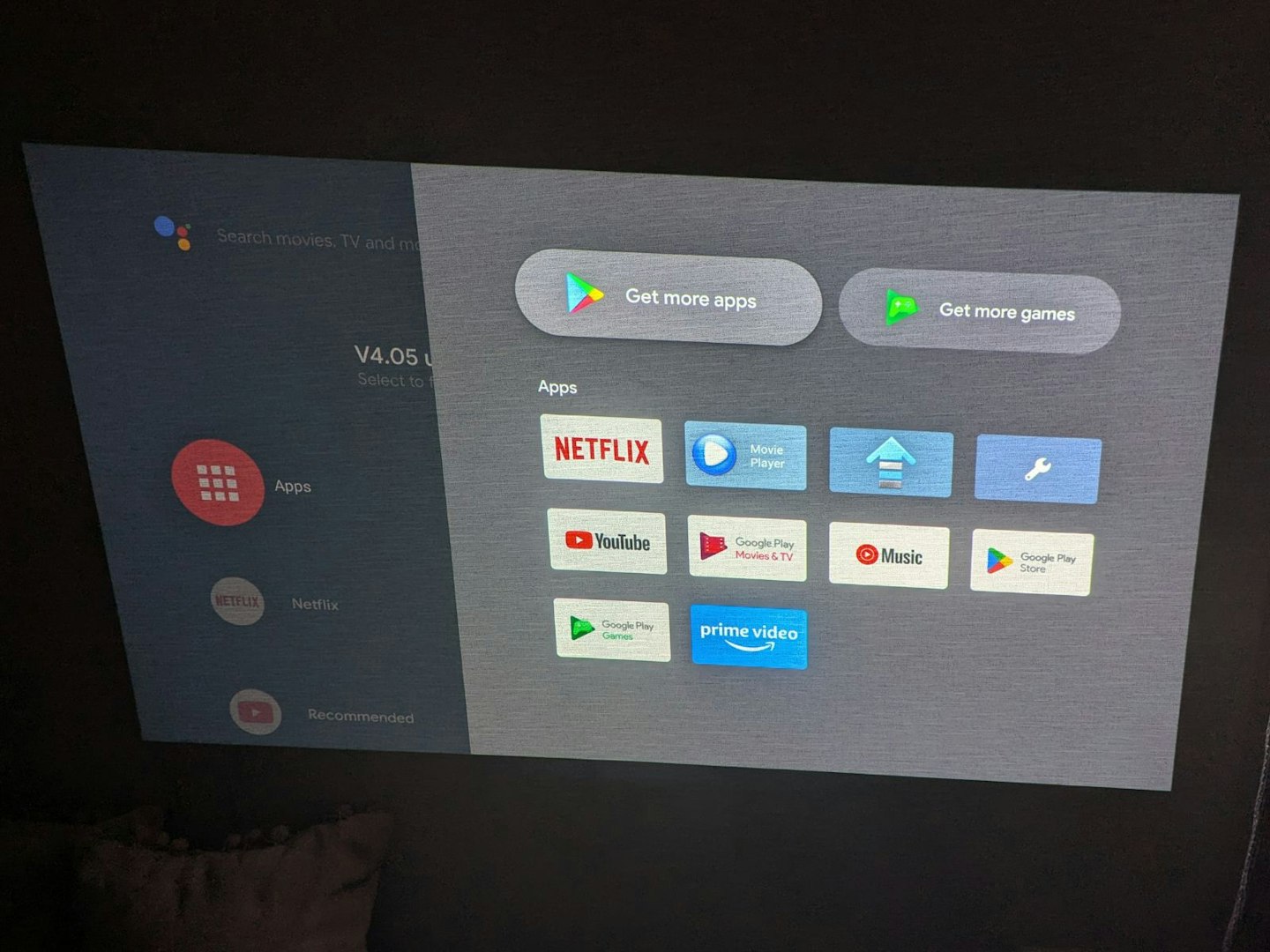
A smart OS gives you easy access to streaming apps ©Kyle Purves/Empire
IP Rating – Short for Ingress Protection, the IP rating of a product represents how protected it is from liquids and dust. It consists of two numbers, with the first representing solids (up to six), and the second rates the protection against liquid (up to nine). For example, a fully protected device would be IP69, which would not allow any dust or water in. If the water protection is relevant and the dust rating is not, the space will be filled in with a X, such as IPX5. A projector will not reach those heights, if you want to take one outdoors, we suggest aiming for at least IPX3, to ensure that water splashes and light rain won’t damage it.
HDR – High Dynamic Range (HDR) is a type of screen technology. In practice, it helps create clearer, more vibrant final images. For a projector, it ties into the brightness as well. Ideally, good quality projectors will have HDR10, HDR10+, or Dolby Vision, all of which are excellent HDR technologies that we favour in TVs too.
Contrast ratio – The contrast ratio is the difference between the light and dark parts of an image. Higher contrast ratios ensure the brightness is more varied, leading to better image quality. With proper contrast, the difference between light and dark should be immediately noticeable and make it easier to tell details a part on the screen or surface.
Lumens – Lumens are the measurement of light produced from a projector. The higher it is listed as, the brighter. However, some projectors are listed with lumens that follow the ISO 21118 international standard (ISO), whereas others follow the American National Standards Institute (ANSI) standard. Both are accurate, but a single ANSI lumen is slightly larger than a single ISO lumen. As such, an equivalent ISO measurement will be a smaller number than its ANSI counterpart.
Best portable projectors FAQs
Are portable projectors worth buying?
Absolutely. A portable projector gives you access to a ‘screen’ anywhere you go. While it can be trickier to get an ideal setup with a projector than it is with a TV, the added convenience of being able to move around makes it worth considering. While projectors in the past paled in comparison to TVs, the gap in quality is significantly reduced now, similar to the relationship between PCs and laptops.
Can a portable projector replace a TV?
A portable projector can be a suitable replacement for a TV. The difference in potential brightness and resolution is fairly small, so if you have a good screen or sheet to shine the projector on, you get a viewing experience very similar to a TV. If you’re looking for the best way to watch movies or play video games, a TV is still the better option, but if the idea of saving space with a portable projector sounds appealing, it’s a worthwhile investment.
Does Netflix work on mini projectors?
Netflix does work on mini projectors. If you opt for a smart projector, it will likely have access to a dedicated Netflix app, ready to stream your favourite shows without needing to connect to another device.
Can you connect a phone to a projector?
You can use your phone with a projector either wired or wireless. Going wired will mean using a HDMI adapter, but wireless is as simple as connecting to a compatible projector with Bluetooth or a similar casting method.
What’s the difference between ISO and ANSI?
When inspecting the lumens of projectors, you may noticed terms such as ISO and ANSI appear next to them. These are measurement standards, with ANSI being the previous standard and ISO steadily becoming more prevalent. As there is still a shift in the market, some projector lumens are still measured with the ANSI standard. In practice, an ISO lumens measurement may appear slightly lower than an ANSI measurement.
Latest updates
This article was first published in March 2026. Future relevant additions and amendments will be noted here.
Kyle Purves is a tech writer and reviewer. They specialise in all types of tech and electronic products, including TVs, monitors, speakers, headphones and consoles.
They are passionate about gaming and are always seeking ways to improve their visual setup. They’re also no stranger to hunting down savings, always wanting to get the best deal possible. Outside work, they can often be found playing through an RPG, building Gundam models, or trying to catch up with their ever-expanding list of shows and anime to watch. If possible, they try to play Dungeons and Dragons a couple of times a week, but getting six adults free at the same time is easier said than done.