
Platforms: Nintendo Switch 2, PS5, Xbox Series X|S, PC
The Fatal Frame series has been a survival horror staple since the days of the PS2 (when it was released under the name Project Zero in Europe), but unlike genre big hitter Resident Evil, it opted for more of a slow-burn approach to terror. Inspired more by Japanese folklore and ghost stories than by B-movie schlock, the series was centred on the Camera Obscura, a device that could detect and combat spirits through the power of… well-framed photography. Trust us, it’s scarier than it sounds.
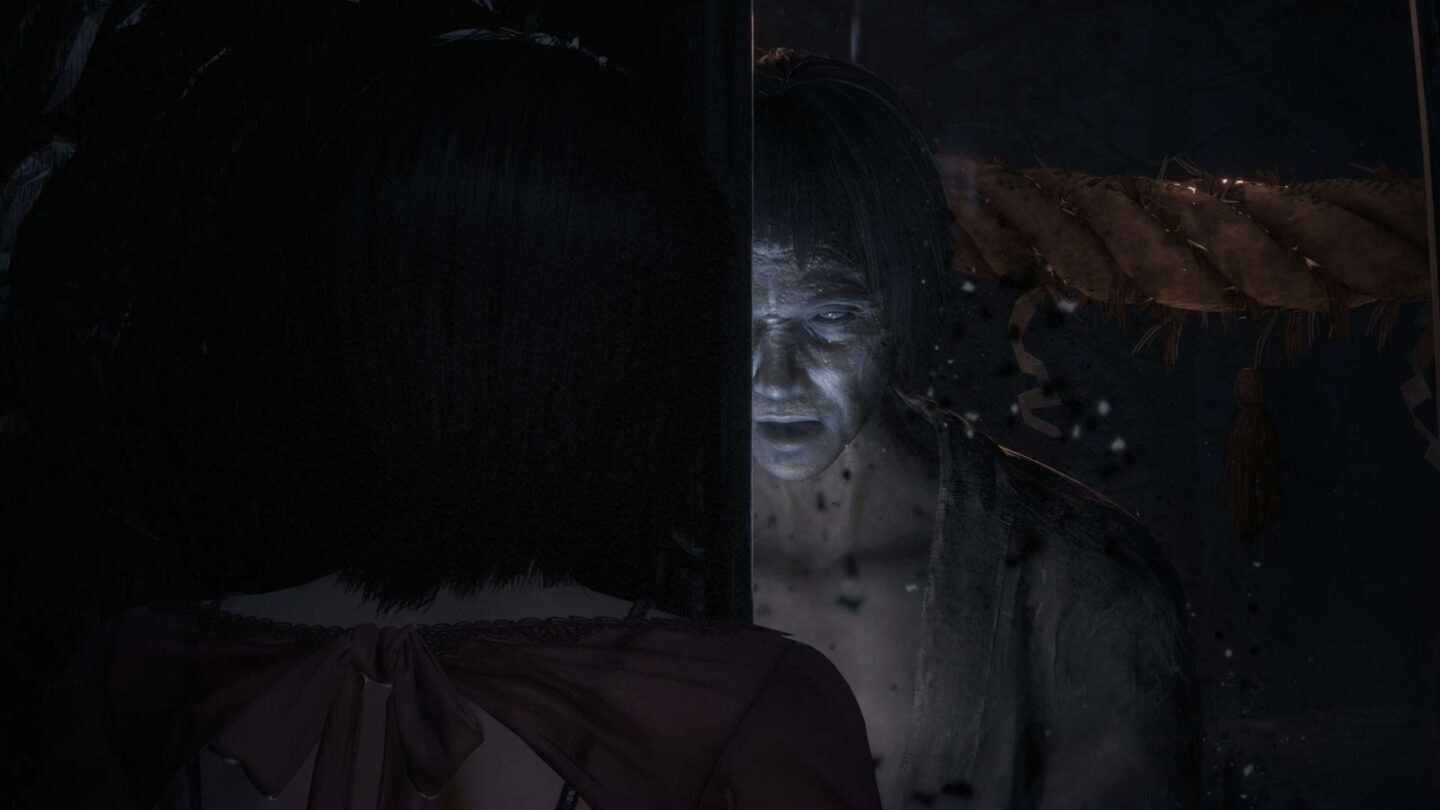
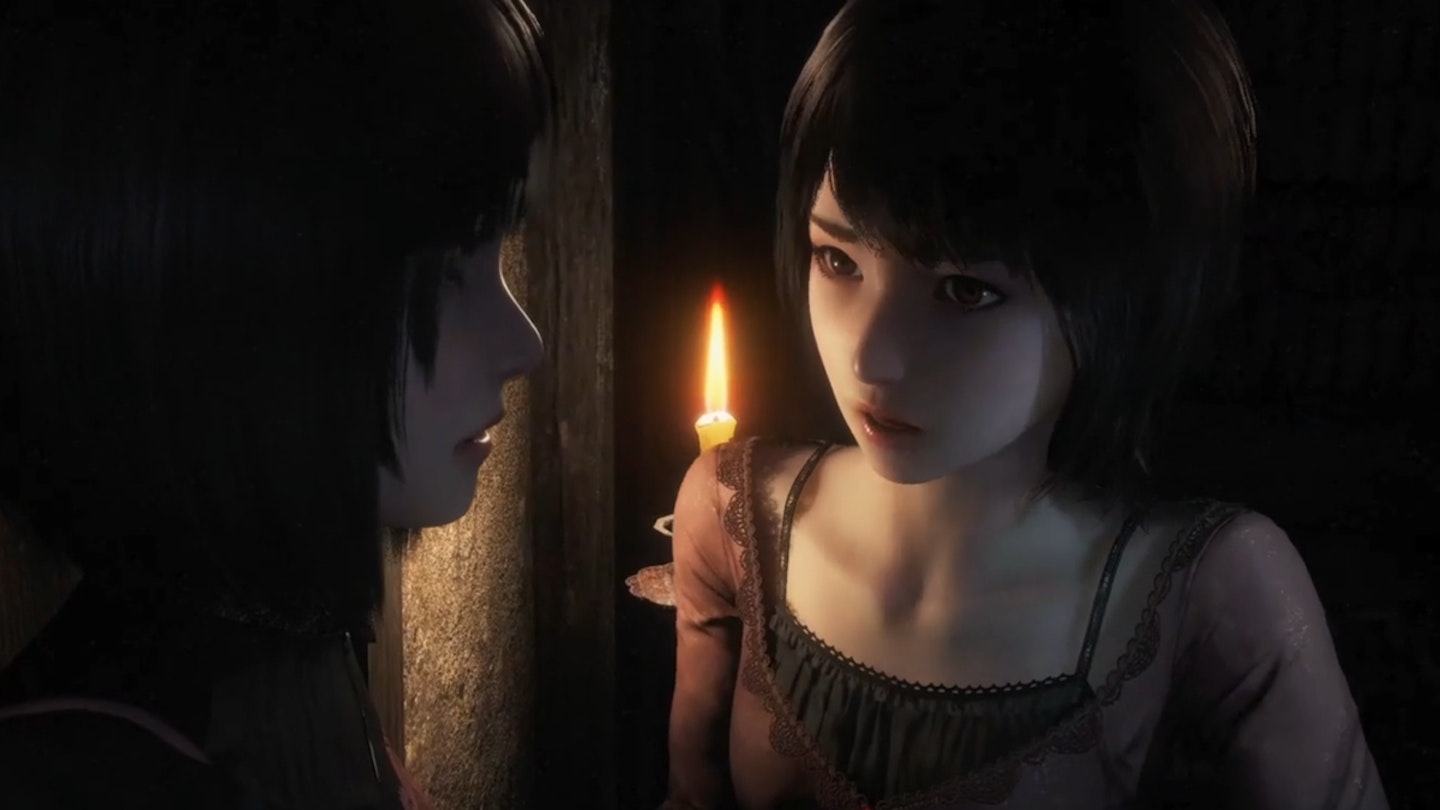
The second entry, 2003’s Crimson Butterfly, has long been considered a series high point, a creeping tale of tension set in the abandoned village of Minakami, where twins Mio and Mayu Amakura find themselves trapped. Playing as Mio, you’ll either be guiding Mayu by the hand through the small town, or chasing her down as she’s spirited away by supernatural forces. While the girls’ relationship and backstory is the principal driver, it’s the wonderfully unsettling Minakami Village that proves the real leading lady. Notes and diaries build up the dark history of the setting and its vanished inhabitants, creating a drip-feed of trauma and tragedy that leaves players perpetually on edge.
Getting a titular fatal frame – a perfectly timed photo taken right as an enemy is about to strike, dealing a tonne of damage and stunning them – is supremely satisfying.
Tonally, it owes a debt to Hideo Nakata’s Dark Water or Takashi Shimizu’s Ju-On: The Grudge, but expands the oppressive, inescapable claustrophobia of a haunted house to an entire cursed village. It’s a brand of terror aided by this second remake (one previously arrived for the Wii, back in 2012) shifting to full 3D environments, rather than the fixed camera perspective of the original. Actually creeping down crumbling corridors or through empty streets is far more intimidating when you have no idea what lurks behind the next corner, and with new locations and some additional story beats, there are suprises in store even for returning players.
Unfortunately, changes elsewhere mean that the signature camera-based combat now leaves something to be desired. You’ll still deal damage to rampaging ghosts by capturing them on film, hitting them harder the better you compose the shot. The idea still works in principle – spooks aren’t sitting around posing, instead slashing at you or otherwise taking umbrage at your modest ghostbusting efforts, leading to a desperate back and forth as you try to move the fragile Mio out of harm’s way, reposition, and snap away again. Getting a titular fatal frame – a perfectly timed photo taken right as an enemy is about to strike, dealing a tonne of damage and stunning them – is supremely satisfying as a result.
However, the addition of charms and filters to the camera adds a level of unnecessary complexity. They’re useful out of combat, giving you access to abilities like tracking ghosts through walls or finding hidden areas, but tend to create problems in battle. For too much of the game, you feel underpowered, even within the strictures of survival horror where you should be at a disadvantage. Ghosts too easily slip into an “aggravated” state where they can regain health and boost their damage, and there’s not a great deal to be done other than engage in a war of photographic attrition to whittle their health back down. Later, after upgrading some choice charms and pairing with an appropriate filter – and the right type of camera film, which can also massively impact your effectiveness – you’re almost able to literally one-shot some spooks. The balance feels completely off.
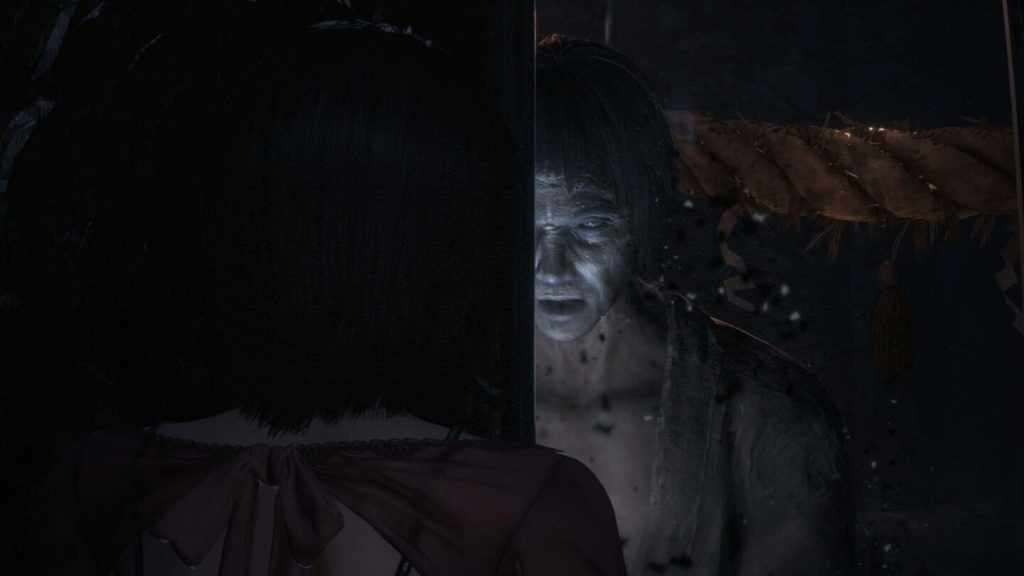
Worse, while the modern visuals of this remake mostly impress, helping make 2026’s Crimson Butterfly disturbingly atmospheric, the game struggles when it comes to performance. The frame rate is, charitably, uninspiring, seemingly capped at 30fps, while the Switch 2 release (version tested) suffers frequent pop-in for textures, effects, and lighting. It can be incredibly immersion-breaking.
Still, despite its flaws, Fatal Frame II remains a deeply affecting slice of interactive horror. It maintains the feel of the original where it counts, while the full 3D approach may make it more palatable to modern players. Enjoyable for what it is, but it’s those with a penchant for turn-of-the-millennium J-horror who are likely to get the most out of this.