

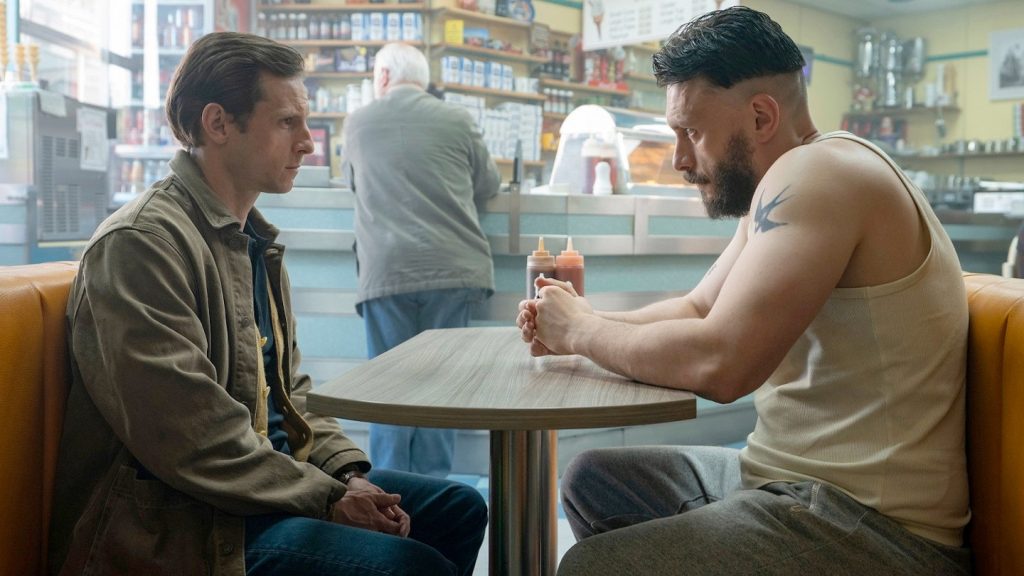
The conflict between brothers Niall (Jamie Bell) and Ruben (Richard Gadd) — which has evolved and developed across three decades — finally comes to a head on Niall’s wedding day.
Streaming on: BBC iPlayer
Episodes viewed: 6 of 6
Richard Gadd follows up his Netflix-chart-topping Baby Reindeer with Half Man — a drama a little more removed from Gadd’s personal experiences than the autobiographical stalking story, but still drawing on many of its themes, examining the impact of abuse, violence and repression on modern masculinity.
The show tracks the fraught, toxically codependent dynamic of two sort-of half-brothers forced into proximity with each when their mothers were romantically involved and cohabitees. Niall (Jamie Bell as an adult, Mitchell Roberston as a youngster) is meek, mild-mannered, chronically bullied at school and doing everything he can to hide his burgeoning homosexuality. Ruben (an unrecognisably hench and menacing Gadd, with Stuart Campbell as the young iteration) is a ball of confident, feral energy; a young offender with the shortest of tempers and a tendency for extremely violent outbursts.
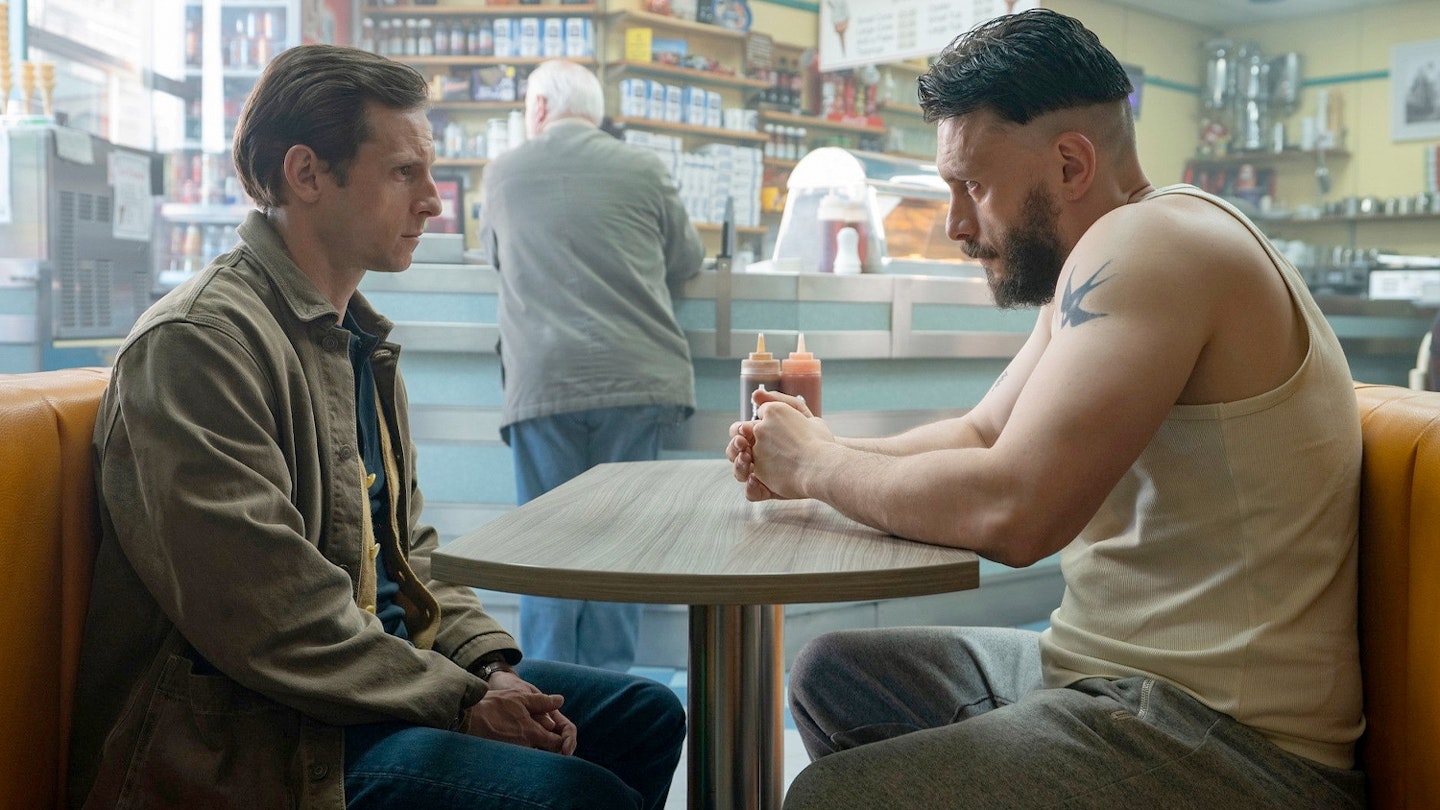
They each provide something the other needs: Ruben, the dominance to put Niall’s bullies in their place; Niall, the smarts to keep Ruben in school. As the years go on, though, the tension pulling them together becomes increasingly fraught, as Ruben finds himself in and out of prison, and Niall spirals further towards self-destruction.
Hard-hitting and very much real, but the story devolves into a bit of a bleak-fest.
The latter episodes are definitely the strongest — the fourth in particular — as it’s then that the power dynamic between the pair starts shifting and becoming more even, Niall learning of, and taking advantage of, chinks in the otherwise immutable Ruben’s armour. Gadd’s script does its best to create empathy for these two very flawed people, but you’re never really rooting for either — experiencing more pity for Niall, and pure terror at the idea of ever being in a room with Ruben.
There’s a mismatch here between the somewhat surface-level sophistication of the plotting and character development, and the traumatic depths of the issues Half Man attempts to explore. The specificity that made Baby Reindeer so effective — because, of course, it was based on truth — isn’t really present here, replaced instead by more generic-feeling tropes, twists and turns. Much of what’s explored is hard-hitting and very much real, but the story devolves into a bit of a bleak-fest that makes it hard to really engage with it.
The perspective sits firmly with Niall — we never see Ruben without him — and some standout, dialogue-heavy scenes where the brothers attempt to articulate what they are to each other start to feel more like one person conversing with their inner critic, the devil on their shoulder, their alter ego. It’s like Ruben is Niall’s id, his Mr Hyde, his Tyler Durden: strong, commanding, the type of person who changes every room they walk into. Everything he wishes he could be. This perhaps isn’t Gadd’s intended reading of the show, but is the one through which it feels most interesting, and insightful.
A show designed to sit in the gray of moral complexity, the central dynamic is compelling — though some incohesive narrative choices stop Half Man from reaching its full potential.