
Art restorer Lori (Michaela Coel) is secretly hired to forge the Christophers, a set of unfinished paintings by the legendary Julian Sklar (Ian McKellen). Julian has other ideas.
Steven Soderberg seems to be on something of a hot streak at the moment. The prolific director’s latest film — his 37th! — comes barely a year after his last effort, the supremely satisfying spy thriller Black Bag, and he stays in London for The Christophers, a similarly sharp experience, though less flashy and fast.
This is a film which benefits from three elements. There’s Soderbergh’s careful, sly, unshowy direction, which keeps things compelling. There’s the delicious original script by Ed Solomon (Bill & Ted and Men In Black), full of poison-tongued dialogue and rug-pulling turns. And there are sublime performances from its leads, Ian McKellen and Michaela Coel, both absolutely at the top of their game.
Save for a couple of brief appearances from James Corden and Jessica Gunning, this is very much McK-versus-Mic. It plays a little like 1972’s Sleuth, in which two acting titans (Michael Caine and Laurence Olivier) duke it out in a big house for a battle of psychological warfare, one-upmanship and smack talk.
Coel is fabulous here: with this and Mother Mary, she seems to be finding a new groove as a leading woman.
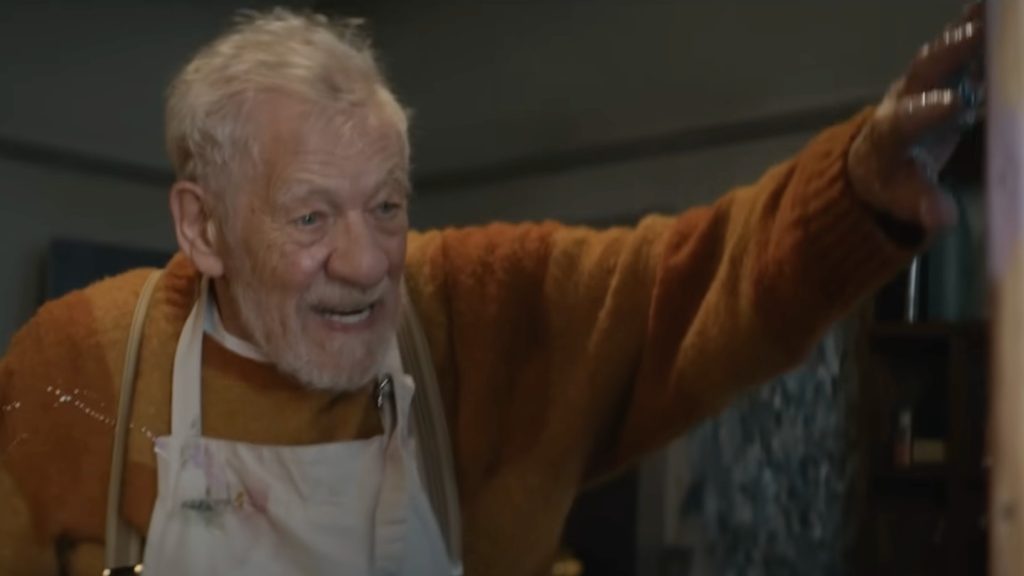
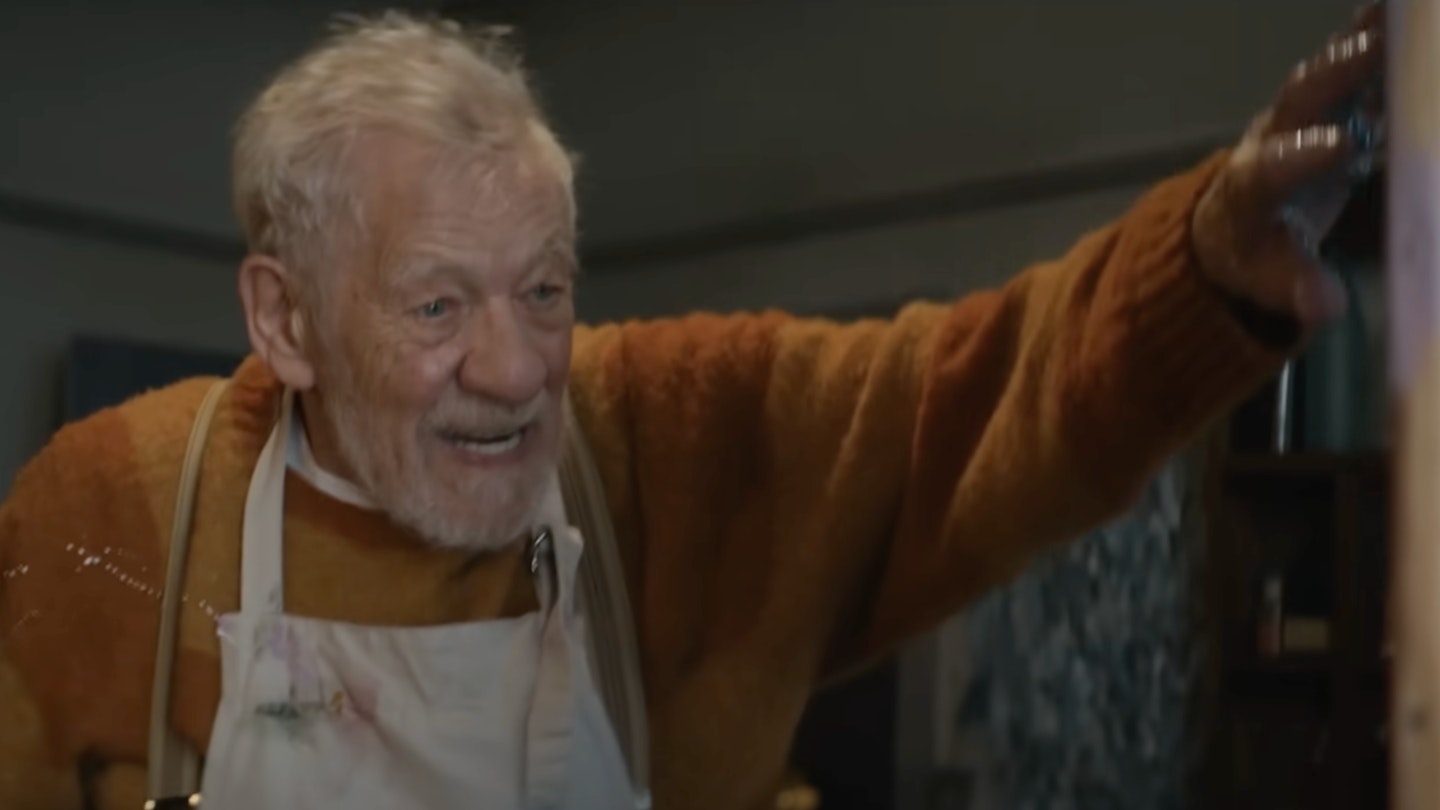
McKellen plays Julian Sklar, an ageing artist and painter once considered the brightest talent in Britain, before consigning himself to a needlessly cruel TV art show and recording cheap Cameo-style video messages for cash. Coel, meanwhile, plays Lori Butler, an art-restorer and frustrated young painter living in a studio squat, hired by Julian’s children (Corden and Gunning, both playing it a bit too broad) as a fake assistant for him — in actuality, recruited to make forgeries of the titular Christophers, Julian’s great unfinished-paintings series, to sell after his death.
Solomon’s script finds delightful tension in the generational, racial and gender divide between the two characters — there are some excruciating exchanges about polyamory (“I was once in a throuple,” Julian offers, unhelpfully) — and in their wildly different philosophies on art and life. Their dynamic dances around, from exploiter to exploitee and back again, both standing their ground, the film never accelerating anywhere too surprisingly, but never quite landing where you might think.
Coel is fabulous here: with this and Mother Mary, she seems to be finding a new groove as a leading woman. And McKellen is genuinely superb, shambling around the house with elderly bluster yet delivering broadsides with the precision of a master draughtsman. He is cantankerous, yet also sad and wistful, finding many shades of a man being forced to take stock towards the end of his life, confronted with disappointments and regrets. It is full of pathos and passion and perspicacity, and while we know it won’t be his last role — he’s suiting up for Gandalf again as we speak — it would make for a beautifully bittersweet swansong for the 86-year-old actor, should he ever decide to consider taking his Equity pension.
Another solidly gripping film from the ever-prolific Soderbergh, this is a terrific two-hander, with Coel and McKellen on fine, fierce form.