

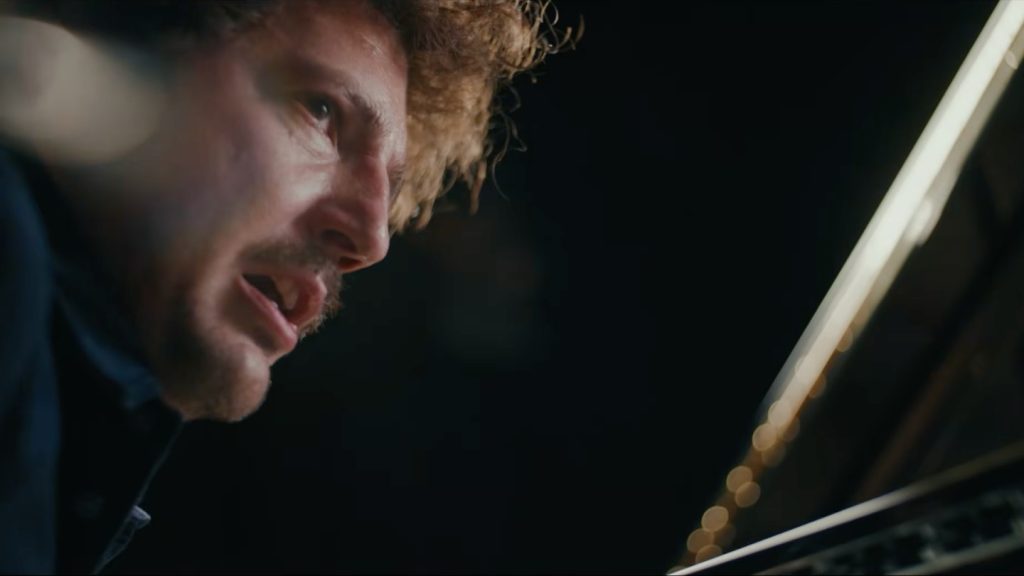
Teen promoter Vera Brandes (Mala Emde) battles chaos and the tempestuous Keith Jarrett’s (John Magaro) resistance to stage the legendary 1975 Köln Concert performance.
In jazz, the magic happens in the silences. Miles Davis once suggested that true genius lies in “the notes you don’t play”. Fittingly, Köln 75 — a film about the story behind The Köln Concert, Keith Jarrett’s improvised 1975 performance that went on to become the bestselling solo piano album of all time — is ingenious in how it riffs around one striking omission: none of Jarrett’s music appears in the film.
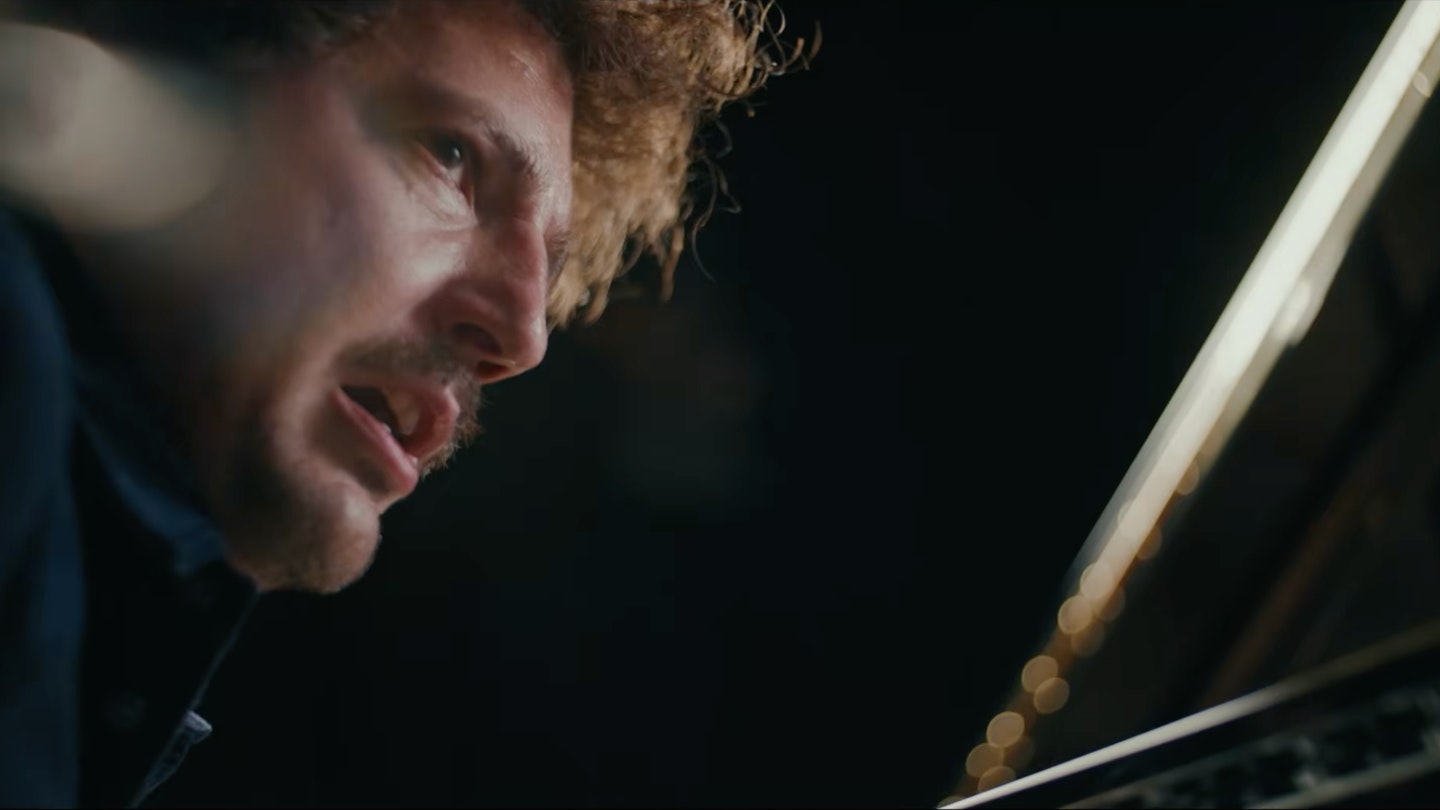
Rather than awkwardly dance around that absence, director Ido Fluk transforms it into the film’s central idea. In place of Jarrett’s music comes the frantic, infectious energy of Vera Brandes, the teenage concert promoter who somehow convinced the notoriously difficult pianist to take the stage in Cologne and ended up creating jazz history.
[Ido] Fluk attacks the material with restless formal energy. Fourth-wall breaks, rapid-fire editing and knowingly absurd pop-culture detours give the film a self-aware swagger that occasionally strains for profundity.
Crucially, Jarrett himself is barely the point. The film belongs entirely to Vera, played by Mala Emde with charming, kinetic verve. Though older than the real-life teenager she portrays, Emde captures the reckless obsession of someone utterly consumed by art, throwing herself into jazz culture with the kind of evangelical earnestness that feels almost alien today. Vera isn’t simply organising a concert; she’s chasing transcendence. John Magaro (Past Lives), meanwhile, plays Jarrett as a man permanently teetering between artistic purity and total exasperation, giving the film a prickly counterweight to Vera’s idealism.
Fluk attacks the material with restless formal energy. Fourth-wall breaks, rapid-fire editing and knowingly absurd pop-culture detours give the film a self-aware swagger that occasionally strains for profundity. There are moments where the film tries a little too hard to mythologise jazz as a near-spiritual force, while Michael Chernus’ rambling critic character often arrives to dump exposition rather than add to the narrative. Some of the film’s broader comedic flourishes also sit awkwardly alongside its more sincere emotional beats. Still, the film’s sheer, chaotic momentum usually carries it through.
That momentum becomes exhilarating in the final stretch, as Vera scrambles through a mounting series of disasters threatening to derail the concert entirely. A faulty piano, Jarrett’s exhaustion, backstage chaos— Fluk stages it all like a ticking-clock thriller. Even knowing the outcome, the film builds genuine suspense from the logistical nightmare. Then comes the elephant in the room: the missing music. The now 81-year-old Keith Jarrett’s lack of involvement with the production means the climactic performance unfolds without a note of The Köln Concert itself. For some, that will be an unforgivable anticlimax. Yet there’ssomething strangely fitting about a film that rolls with the punches around that limitation. By the end, the missing music feels less like a flaw than part of the magic.
Scrappy, stylish and occasionally self-indulgent, Köln 75 turns backstage bedlam into jazz-infused drama. Mala Emde conducts the chaos and her performance, like the film, is most alive when everything threatens to collapse.