
This is an IGN opinion piece from writer Jeremy Peel, who has played (and occassionally reviewed) every single Call of Duty campaign. He particularly regrets Black Ops 3.
“For over 18 years, Jacob and I have developed character-driven games,” said Taylor Kurosaki during the Summer Games Fest reveal of Crossfire, “with the goal of thoroughly connecting design and story.”
As he said “design”, Kurosaki let his hand rest briefly on the shoulder of his creative partner, Jacob Minkoff, resplendent in a yellow bow-tie and handlebar moustache. And as he said “story”, he let that hand drift back to the long lapels of his own suit jacket. It was a quiet demonstration of each man’s expertise; a balance of elements that has shaped a number of brilliant blockbuster games.
Both men honed their crafts at Naughty Dog, where Kurosaki worked for more than 10 years as a narrative design lead. Minkoff, meanwhile, played a part in bringing Uncharted 2’s beloved train level to life – before designing the cruise ship escape of Uncharted 3: Drake’s Deception. There, you react to the shifting weight of the listing vessel as it floods with water, tips on its side, and begins to sink. Fighting your way below decks from the ballroom, you’re forced to adjust to the gradually-altered reality of the ship’s interior, as chandeliers swing and luxury cars slide across the hold.
This has become something of a signature for Minkoff-Kurosaki design ever since. Not cruise ships, precisely, but a reconfiguration of the way the player interacts with a level – turning what is usually static into something fluid. In Crossfire, that means navigating a craggy mountainside in a different way than you’re used to, thanks to the game’s adaptive cover system. “Our player character Layla dynamically adjusts her stance to react to the complex terrain and the enemy’s line of sight,” Minkoff said at SGF. “It fundamentally changes your relationship with the environment and becomes an active skill to master.”
Kurosaki and Minkoff left Naughty Dog not long after Amy Hennig’s departure, during a creative shakeup that left the directors of The Last of Us as the studio’s new figureheads. And the pair joined Infinity Ward – a 25 minute drive down the road – at a time when the Call of Duty developer had been in the wilderness. Infinity Ward’s founders had left in acrimonious circumstances a few years prior, taking many talented team members with them to found Titanfall’s Respawn Entertainment. 2013’s Call of Duty: Ghosts had felt narratively muddled as a result – indebted to the past and timid when stepping toward the future.
2016’s Infinite Warfare – on which Kurosaki and Minkoff worked as narrative director and design director respectively – felt very different indeed. While some COD fans couldn’t countenance the idea of a story set in space, Infinity Ward grounded its campaign in deliberately-paced character drama, just as Naughty Dog had for the preceding decade. The studio learned the right lessons from Wolfenstein: The New Order, too: not only that it should cast B.J. Blazkowicz actor Brian Bloom in the lead role, but that it should situate the heart of its FPS in a conversationally-focused hub world.
In Infinite Warfare, that was the UNSA Retribution – a warship that your protagonist, Nick Reyes, first storms onto in a state of heightened (if manfully contained) anguish. The ship’s captain has steered the Retribution into the path of an enemy supercarrier in a desperate attempt to buy Earth’s defenders time – killing and injuring many of his own crew in the process. As the survivors rush to put out the flames, Reyes seeks to confront the captain, and remind him that a commander’s job is to bring those under his command safely home. But as it transpires, the captain is dead; Reyes is promoted to take his place, and finds himself standing among the personal effects of a man he’ll never get to hold to account, nor demand an explanation from.
Infinite Warfare’s woozy atmosphere is that of a neverending overtime shift, as you rush to punish your enemies for the shock destruction of most of Earth’s military fleet. And its journey is one in which you get to know the remaining crew of the Retribution face to face – a clashing mix of blue-collar stoicism, wisecracking AI and cockney bravura, the latter from a brilliant David Harewood. By the end, you find yourself making the same decision as that captain: sacrificing your crew, who are finally all pulling in the same direction, for the people they’ve pledged to defend. It’s the kind of confident thematic throughline that had been unimaginable in Call of Duty: Ghosts.
Meanwhile, the design approach that had birthed Uncharted 3’s cruise ship freed Infinite Warfare from the very concepts of up and down, left and right. Leaping from the spinning cockpit of your fighter jet, you might grapple with a Martian soldier in open space. Then find footing on the angular exterior hull of a battleship, tilting your view to 45 degrees. Before finally heading in through an airlock, where gravity as we know it is restored. In this mode, COD felt giddy and delirious.
Afterwards, Minkoff and Kurosaki pulled off the 2019 reboot of Call of Duty: Modern Warfare – a coup that many have credited with the rejuvenation of the series during the pandemic. Warzone made most of the headlines, but the campaign continued the exceptional character work Infinite Warfare’s directors had established, rejecting bombast in favour of intimacy and tension. Of particular note was the story of Farah and her brother Hadir – beginning in traumatic childhood as you snuck around during a home invasion, evading a Russian soldier and stabbing at him with a screwdriver. “You survive,” says her dying father, squeezing his last breaths from faltering lungs. “Whatever it takes, never back down.”
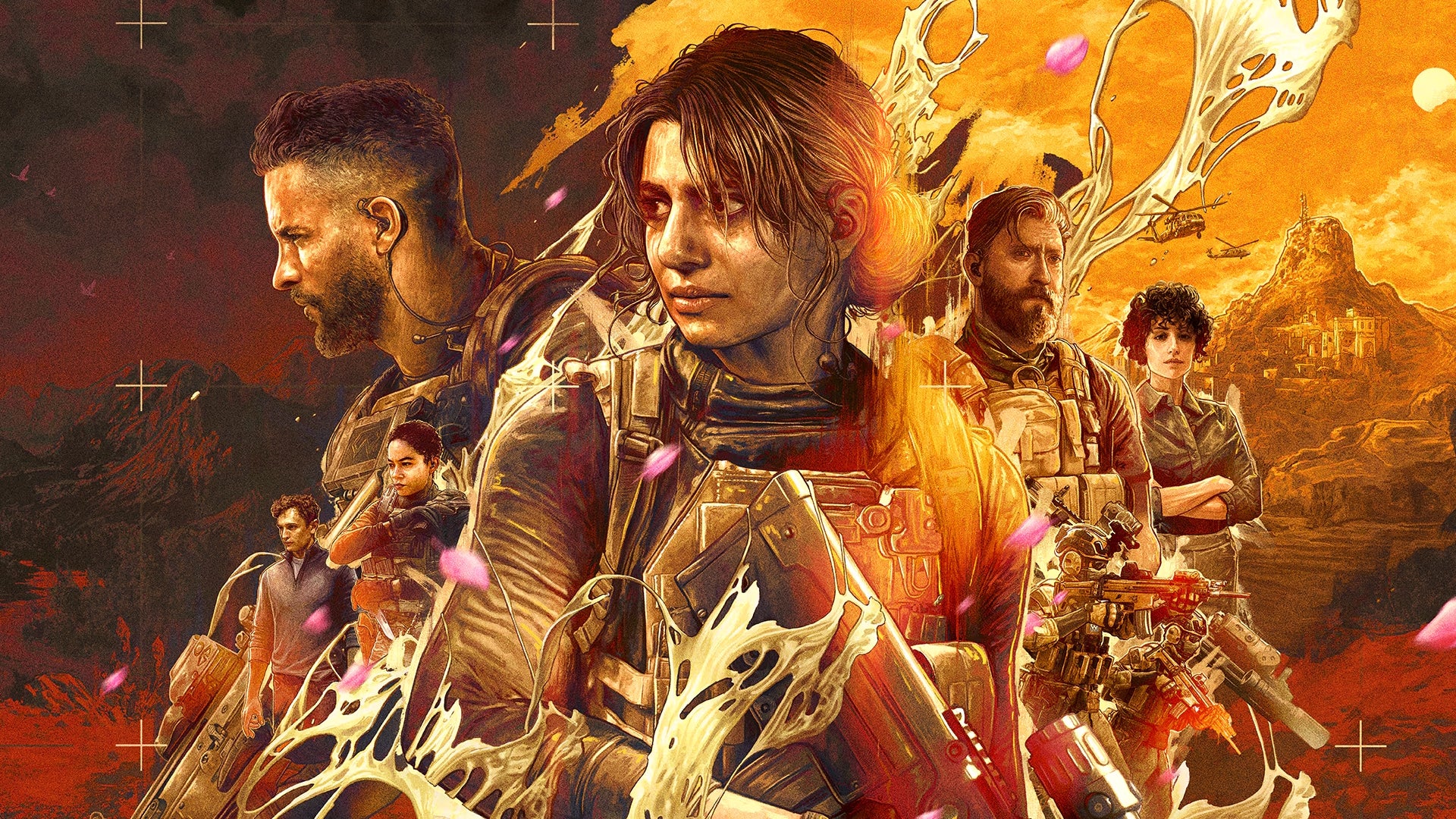
Farah and Hadir’s divergent interpretations of this final command fuels the action of the rest of the campaign – the two siblings winding up on opposite sides of the American definition of rebel and terrorist. The pain of that split is carried emotionally by Claudia Doumit, best known for her turn as Victoria Neuman in The Boys. And now Doumit has returned to take the lead role in Crossfire – a continuity in casting that suggests Kurosaki and Minkoff might meet their narrative ambitions once again.
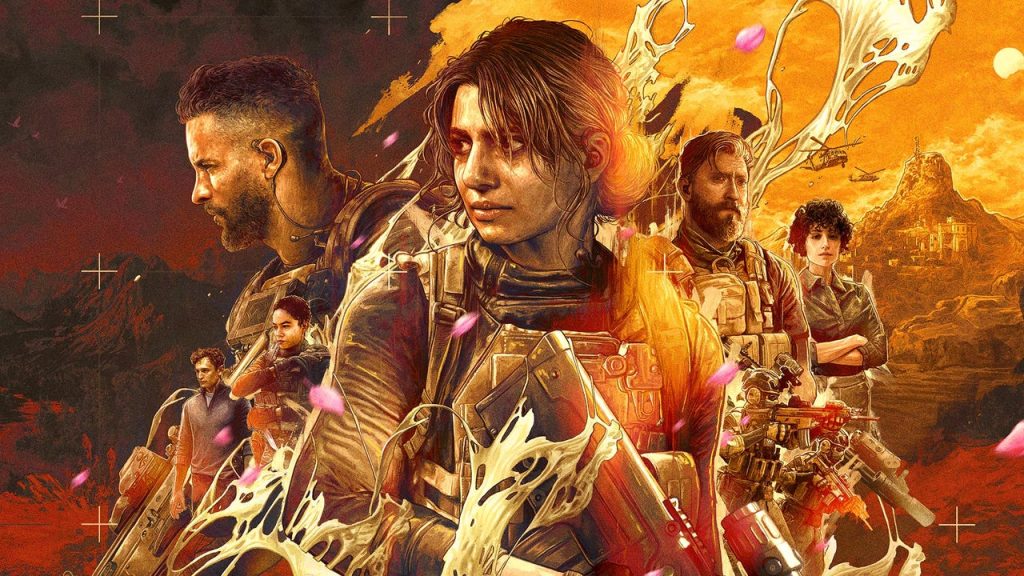
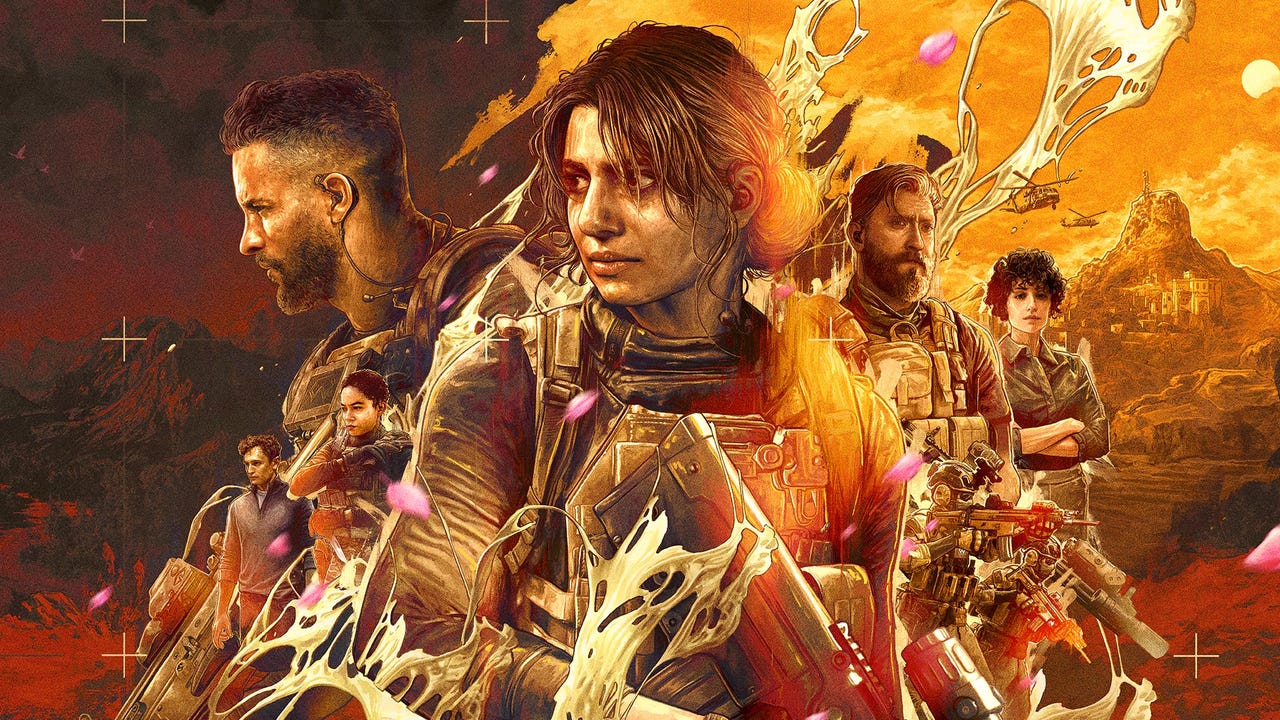
“In Crossfire, two opposing operators must form a temporary alliance,” Kurosaki said onstage at SGF. “Depending on one another is their only chance of survival.” This setup is a reminder, too, of how Naughty Dog made its name in storytelling: by exploring inharmonious relationships under pressure. Think of Nathan Drake and Elena Fisher; Nathan Drake and Chloe Frazer; Nathan Drake and Victor Sullivan. It’s by pairing these personalities off and lighting a fire beneath them that Naughty Dog achieved magic. And I suspect that Minkoff and Kurosaki, applying all they’ve learned, can achieve the same in Crossfire.
Jeremy Peel is a freelance journalist and friend to anyone who will look at photos of his dogs.