
WARNING: Contains spoilers for Evil Dead Burn – and many other Evil Dead movies
The clue is in the name: Evil Dead. It’s evil! It’s dead! The promise here isn’t exactly rainbows and puppies. But the horror saga – which began with 1981’s The Evil Dead, from a 20-year-old Sam Raimi (quick, someone tell Kane Parsons!) – has long been a source of cinematic glee for gore-hounds thanks to their gross-out gags, excessive goop, and chainsaws galore. Groovy.
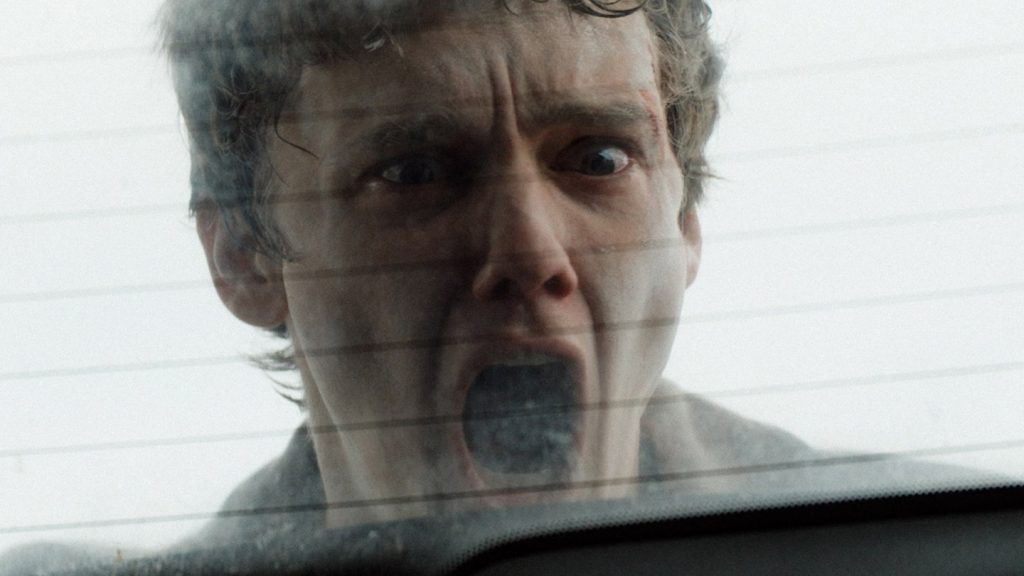
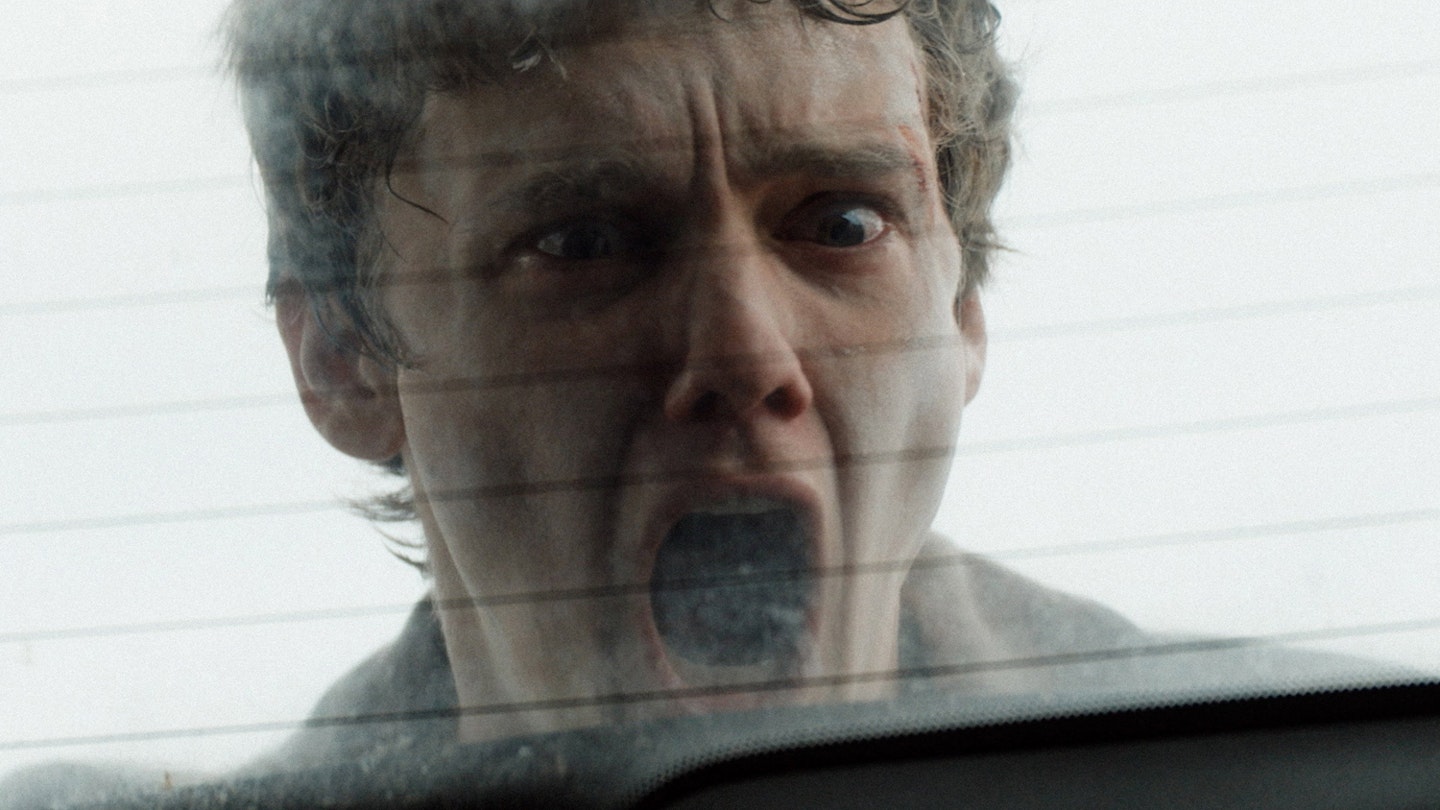
In recent years though, Evil Dead has got more… well, evil, pitching into much darker territory; this week’s Evil Dead Burn stands among the goriest, gnarliest mainstream horror movies in recent memory. That claim can be worn as a badge of honour, but the reaction to Burn seems divided – a chief complaint among its detractors being: the film is simply “too mean”. Is there such a thing?
It’s a complicated question, particularly where Evil Dead is concerned. To most fans, Evil Dead means ghoulish fun; horror films with Looney Tunes logic, flinging blood and guts with gay abandon. This is primarily true of Evil Dead II, the comedy-horror core of Raimi’s original trilogy, as well as 1992 threequel Army Of Darkness, more a fantasy-comedy than anything else. But his original The Evil Dead is far less comedic, raw and lo-fi; its infamous (and regrettable) ‘tree-rape’ scene saw it banned in the UK’s video nasties scandal.
That viciousness evolved in 2013’s brutal remake, Evil Dead – the film closest tonally to Burn. Director Fede Alvarez took the base elements of Raimi’s original – a cabin in the woods, a bunch of friends, a book of the dead that summons soul-swallowing demons – and reimagined it with wince-worthy gore, blunt-force violence, and a sense of genuine malevolence. A similarly hardcore approach was taken by Lee Cronin in 2023’s Evil Dead Rise, albeit more studded with Raimi humour. Burn – a direct Rise sequel – takes that darkness even further.
The sheer act of cranking all the dials to 11 is itself a Raimi-ism.
For some, it’s proving a step too far. French filmmaker Sebastian Vaniček (behind ace spider-horror Infested) leans into the ruthlessness, submitting a grieving family – and our hero Alice (Souheila Yacoub) – to Deadite demon terror as they tear each other to pieces. Often literally. Per the BBFC report, it contains “bloody injury detail and gore, such as a character’s caved-in face”, with “blood spurting from wounds, torn flesh, severed heads and fingers, burns, and heavily bloodied bodies”. It’s a far cry from the slapstick perfection of Bruce Campbell’s Ash battling his own possessed hand in Evil Dead II. But as Burn fans are already pointing out, the original The Evil Dead was more focused on terror than titters; that DNA endures in Vaniček’s film.
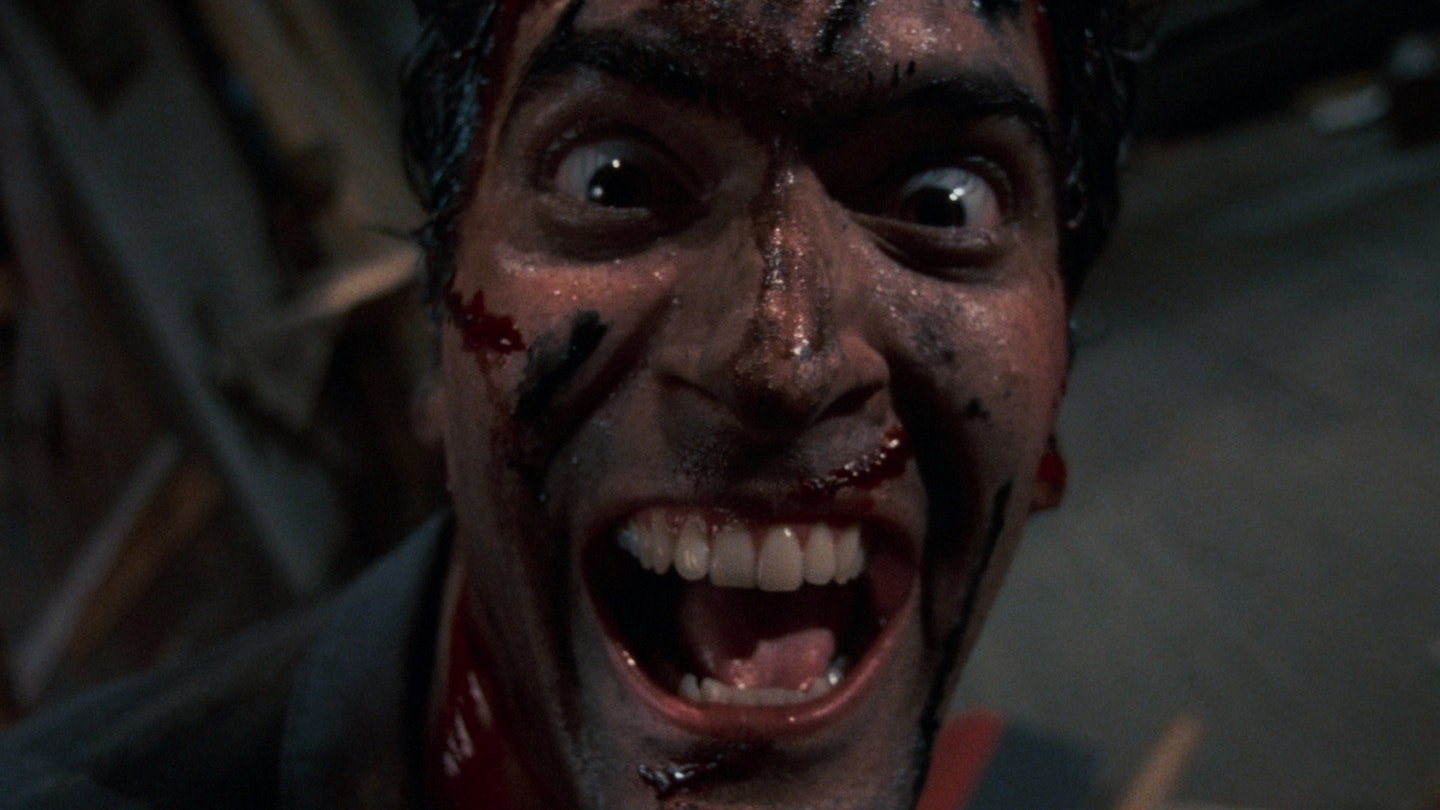
Even in the series’ darker moments, there is a particular vibe that makes something feel Evil Dead. I’d argue it’s less about comedy than about energy. Sam Raimi has always been a ferociously kinetic filmmaker – his camera careens around spaces, crash-zooms in to faces, flies through forests. And his characters are often on the receiving end of physical forces, whether an outrageous cascade of blood, or a revving chainsaw, or an army of miniature cackling doppelgängers (yes, that’s Army Of Darkness). Comedy and horror are often posited as two sides of the same coin; a hair’s width between laughter and screaming. In Raimi’s hands, it’s the sheer oomph impact that’s key to both. No wonder his production company is called Ghost Train – his best works feel like a runaway fairground ride: scary, funny, powered by grip-the-seat energy.
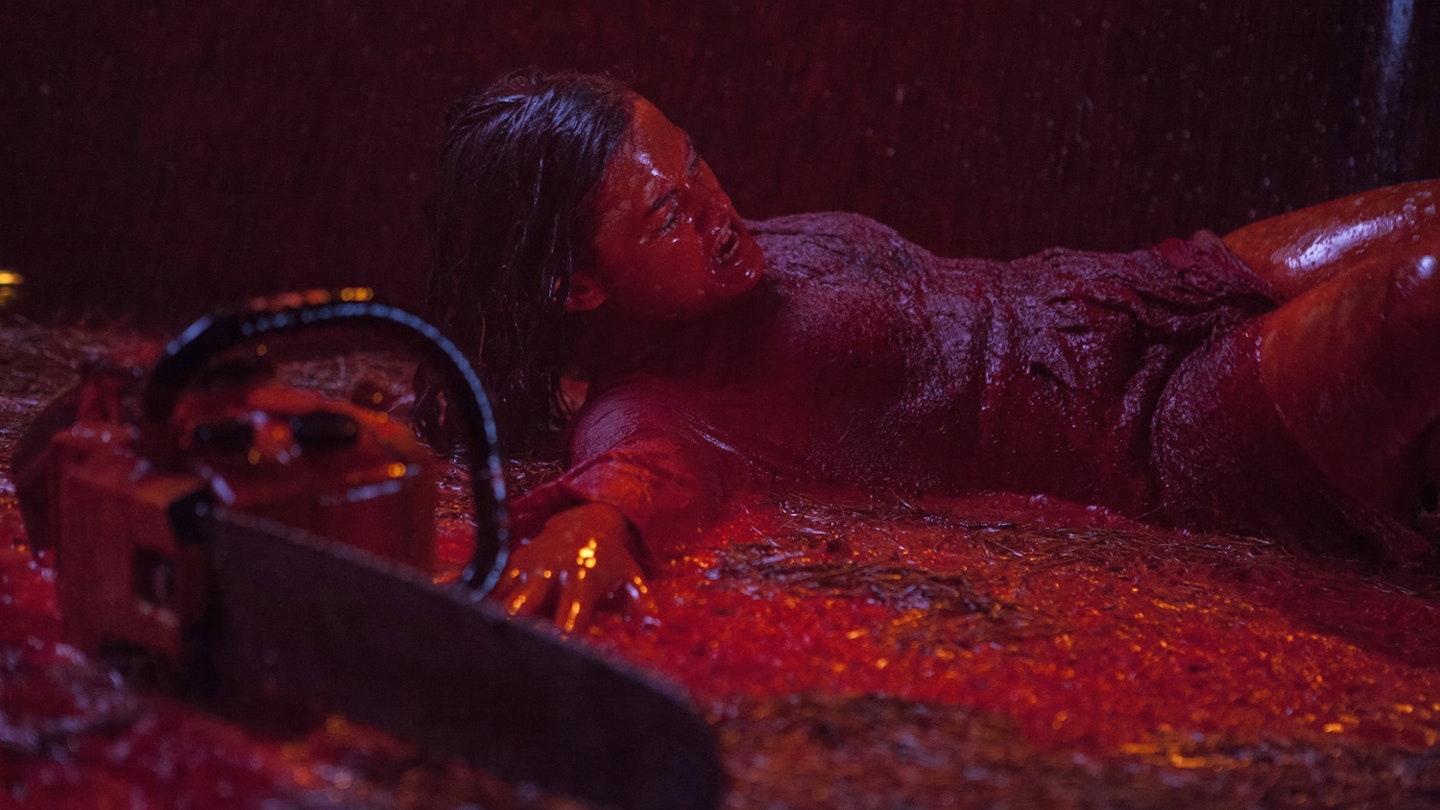
It’s this sensibility that can be found in every Evil Dead film post-2013, Burn included. They’re nastier, gorier, less overtly humorous. But the sheer act of cranking all the dials to 11 is itself a Raimi-ism. In the climax of Alvarez’s Evil Dead, the entire frame red as blood rains from the sky; hero Mia (Jane Levy) rips off her own arm to chainsaw through the head of ‘The Abomination’, pelted with gore as she cleaves it in two. It’s not exactly funny, but its audacious excess knocks the wind from your chest. The sensation is similar. Evil Dead Rise’s is mischievously extreme too, right up to its woodchipper finale.
Perhaps this is where Evil Dead Burn is dividing people. It is certainly very Raimi to go for broke like this. Vaniček is relentless, smashing skulls, chopping fingers, slamming bodies into open dishwashers. But Burn’s violence has a real-world, hard-edged veracity to it, distinct from the shock-and-gore outlandishness of previous films.
That’s not a bug; it’s a feature. Just as Alvarez’s Evil Dead wrestled the Deadites into an addiction metaphor, Vaniček’s film explores the impact of male violence. Alice’s recently-deceased husband William (George Pullar) was abusive; a secret she’s keeping from his grieving family. But the Deadites draw out the simmering aggression found in William’s father and little brother Joseph (Hunter Doohan); Alice has to rip herself from the family’s clutches to escape their capacity for violence. In this context, scenes of possessed dad Edgar (Erroll Shand) stabbing the innocent family dog – an instant audience-splitter – and ferociously attacking Joseph’s girlfriend Thya (Luciane Buchanan) feel more complex and uncomfortable. Beyond Raimi, Burn exists in a lineage of the New French Extremity movement that gave us Martyrs and Titane.
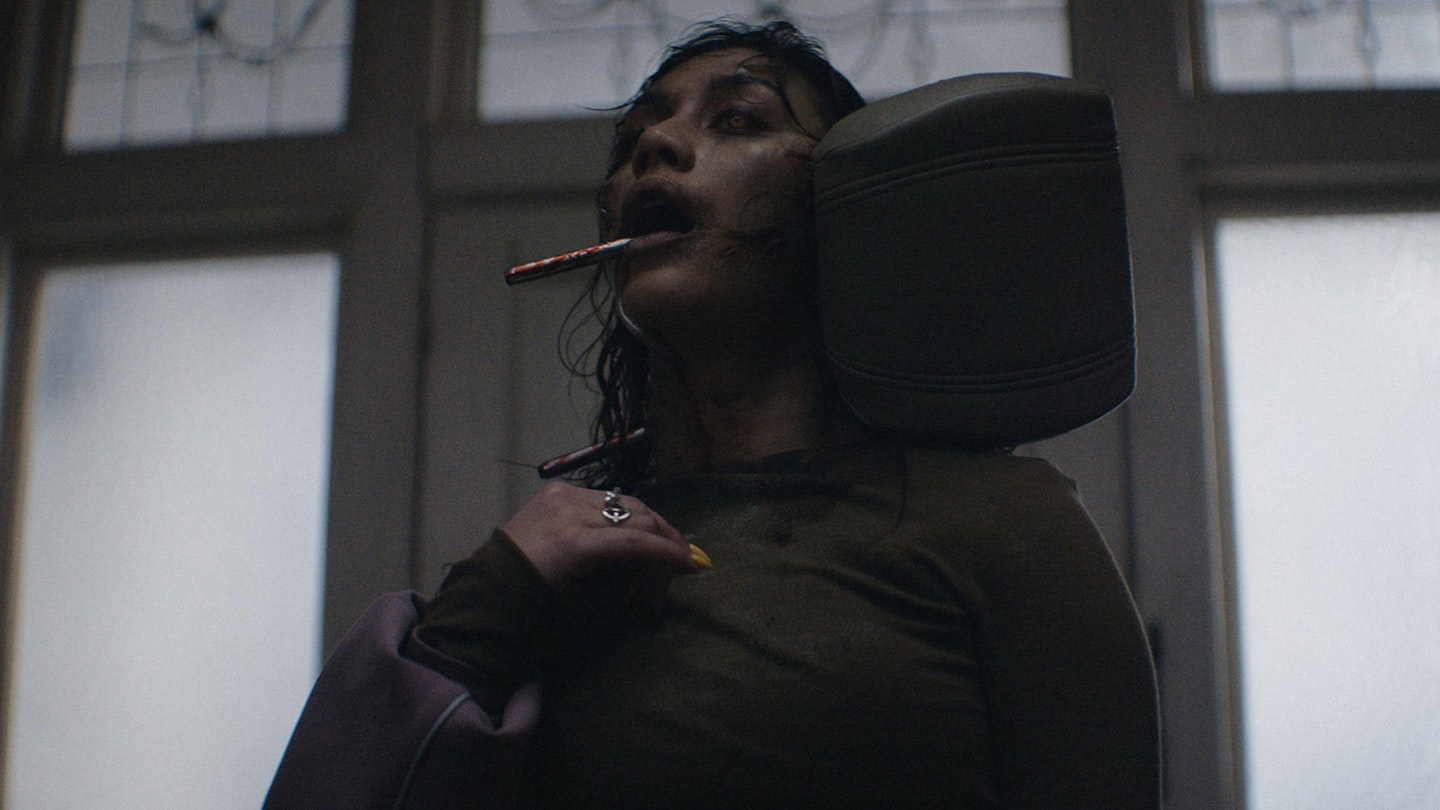
There are moments of over humour in Burn. William’s cremation service is interrupted by loud building work; his coffin is awkwardly fumbled out of the crematorium. And the film does – inevitably – reach for the power-tools in its final scenes. But the gags are largely separate to the Deadite action, and when the horrors kick in, the impish instincts that drive Raimi’s films – and even Rise – are less present. It’s hard to distil Burn’s ultra-violence, mega-gore, dark themes, and real-world grit into a single word. Maybe ‘mean’ is the closest thing.
It depends what you want from an Evil Dead movie, to which there’s no right answer. Burn is brilliantly-crafted with incredible camera movies, and commendably pedal-to-the-metal. It goes hard. There is real Raimi in that. But if you’re looking for Ash being flipped off by his own dismembered hand? Well, there’s always Evil Dead 2, Army Of Darkness, and Ash Vs. Evil Dead. Bring the boomstick.
Evil Dead Burn is out now in cinemas