

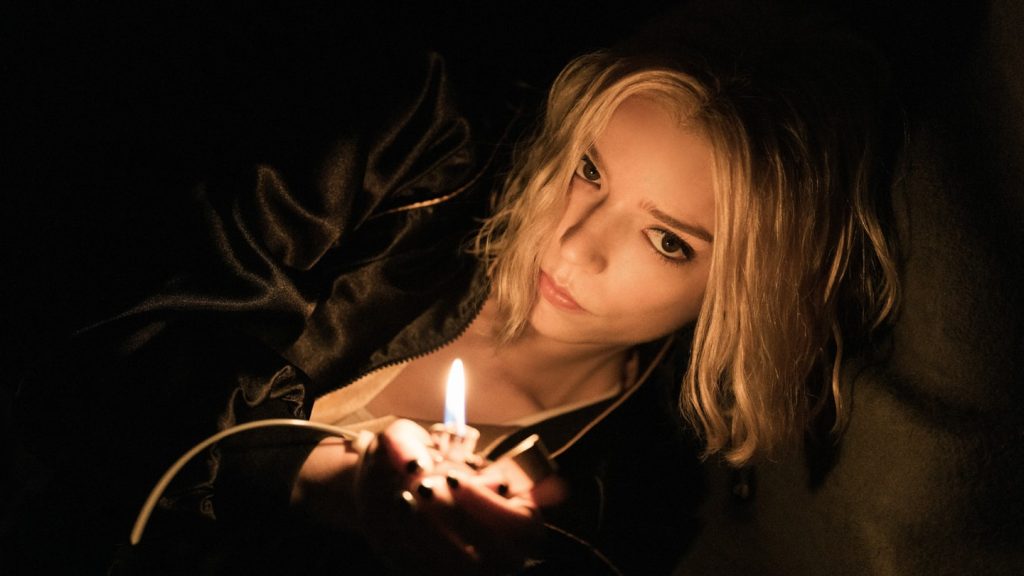
Con artist Lucky Armstrong (Anya Taylor-Joy) is forced to go on the run when her multi-million-dollar heist goes sideways — pursued by Mob boss Priscilla Matheson (Annette Bening).
Streaming on: Apple TV
Episodes viewed: 7 of 7
To be a skilled grifter is to confidently twist almost any situation to one’s advantage. And the greatest pleasure of Apple TV’s Lucky — an excellent miniseries created by Jonathan Tropper (The Adam Project, See) and adapted from Marissa Stapley’s 2021 novel of the same name — is watching Anya Taylor-Joy’s titular protagonist quickly adapt to her ever-changing circumstances. An unpredictable and propulsive crime drama, it starts off as a simple on-the-run story on the surface before giving way to an engaging coming-of-age tale.
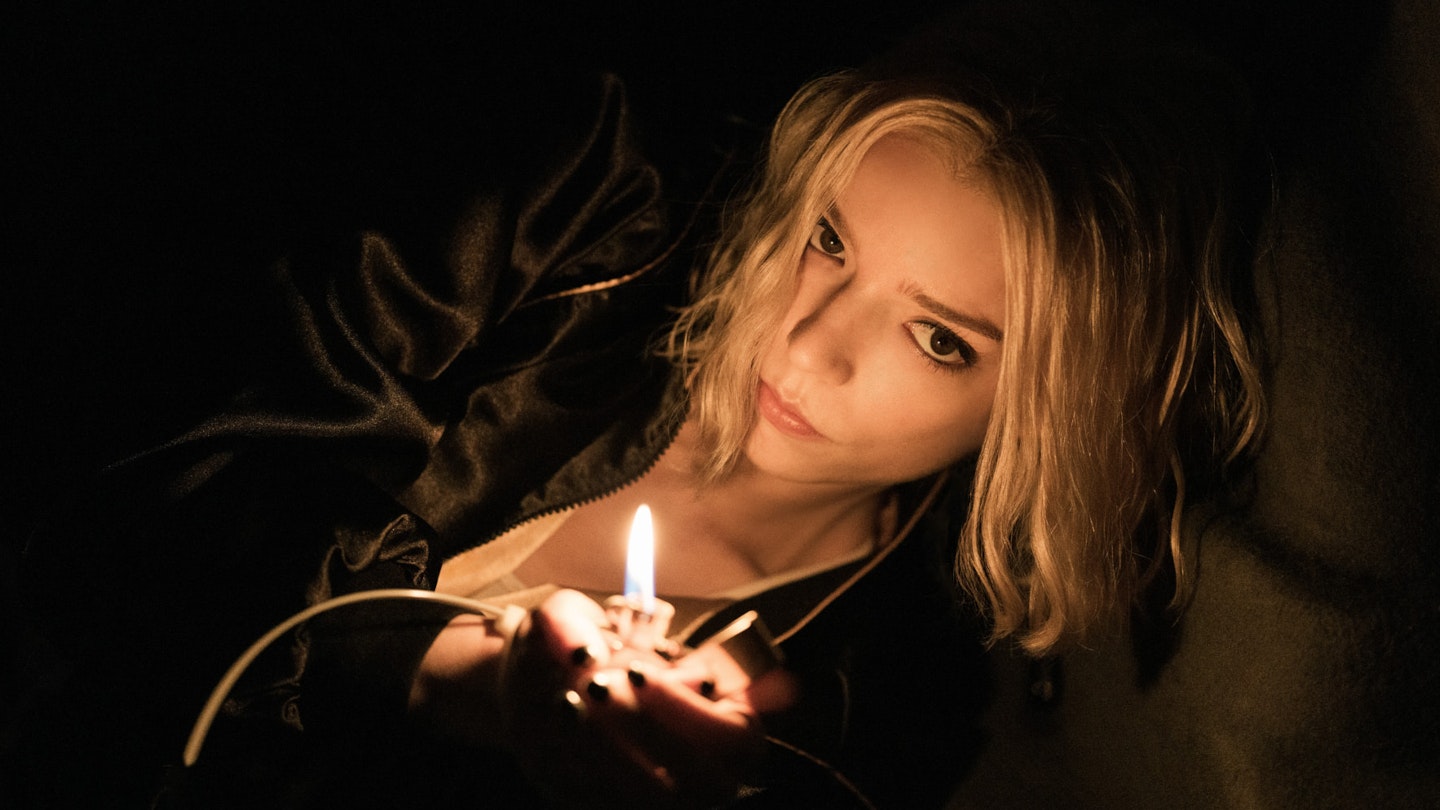
Lucky goes on quite the journey across these seven episodes. Waking up in a hotel to find her husband Cary (Queer‘s Drew Starkey) has absconded with their multi-million-dollar loot, she immediately has to spring into action to avoid and evade both the cops and Mob hitmen. Lucky is scrappy, smart and resourceful, but far from invincible, making these encounters tense without being unrealistic. And the big question in the early episodes of where and why Cary ran off with the money — which inevitably has Lucky looking at their relationship in an entirely new light — has a surprising and satisfying mid-series resolution. It also becomes clear that this is a story about the impact of influential childhoods, and how difficult it is for children to outgrow and break away from their parents’ wishes.
Whether Lucky is good, bad, or somewhere in-between, Taylor-Joy ensures that we’re always rooting for her.
This is especially compelling in the case of Lucky and her father John (played with smooth-talking charm by the perfectly cast Timothy Olyphant). The series gets a lot of fun mileage from this daddy-daughter bond; Lucky learned all of her con-artist tricks from John, effectively the Phil Jackson to her Michael Jordan, coaching her from the sidelines in both present day and flashbacks. But as Lucky begins to question the morals of what she does and the consequences it leads to, it puts a strain on their relationship. That there is clearly so much mutual love between them makes this knotty conflict that much more emotional.
Whether Lucky is good, bad, or somewhere in-between, Taylor-Joy ensures that we’re always rooting for her. Able to slip into different personas with a mix of lies laced with truth, it’s a thrill to watch her mentally calculate what she needs to do in any given scenario. And the fact that we’re in her headspace for the vast majority of the series pays dividends for both her character and the storytelling as a whole.
Elsewhere, while the cop and crime boss storylines are a bit clichéd, the performances more than make up for it. As the lead agent with a personal vendetta and the stern Mob leader who still cares for her son respectively, Aunjanue Ellis-Taylor and Annette Bening bring some welcome heft to their roles. We even get William Fichtner giving some palpable menace to Whittaker, the boss to whom Bening’s character reluctantly answers. We should all be so lucky to have a miniseries with a cast this good, all bringing their A-game.
Anya Taylor-Joy’s scrappy protagonist grifts her way out of problems in this compelling and unpredictable drama. No luck required.