

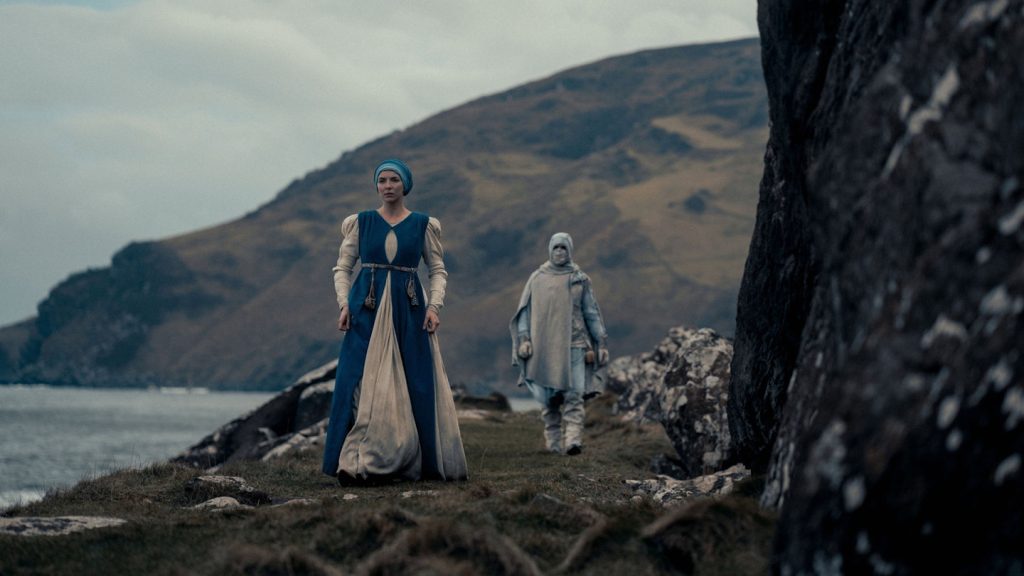
Nearing the end of his life, legendary outlaw Robin Hood (Jackman) travels to a monastery, where his past finally catches up with him.
There are no Merry Men in The Death Of Robin Hood. In fact, it’s pretty low on merriment all round. Based on a 17th-century ballad, this bleak and brutal drama takes a blood-soaked battle axe to one of Britain’s most enduring legends, of a courageous bandit who robbed from the rich to give to the poor. What if that icon were in fact a monster, the film asks? Someone who slaughtered and stole for pleasure? A man confused and quietly tortured by how tales of his violent exploits had somehow entered folklore? In its opening 30 minutes, children are slain and eyes are gouged before this version of the noble archer impales a person’s face with a flaming spike. A bushy-tailed cartoon fox or man in tights, this Robin Hood most certainly is not.
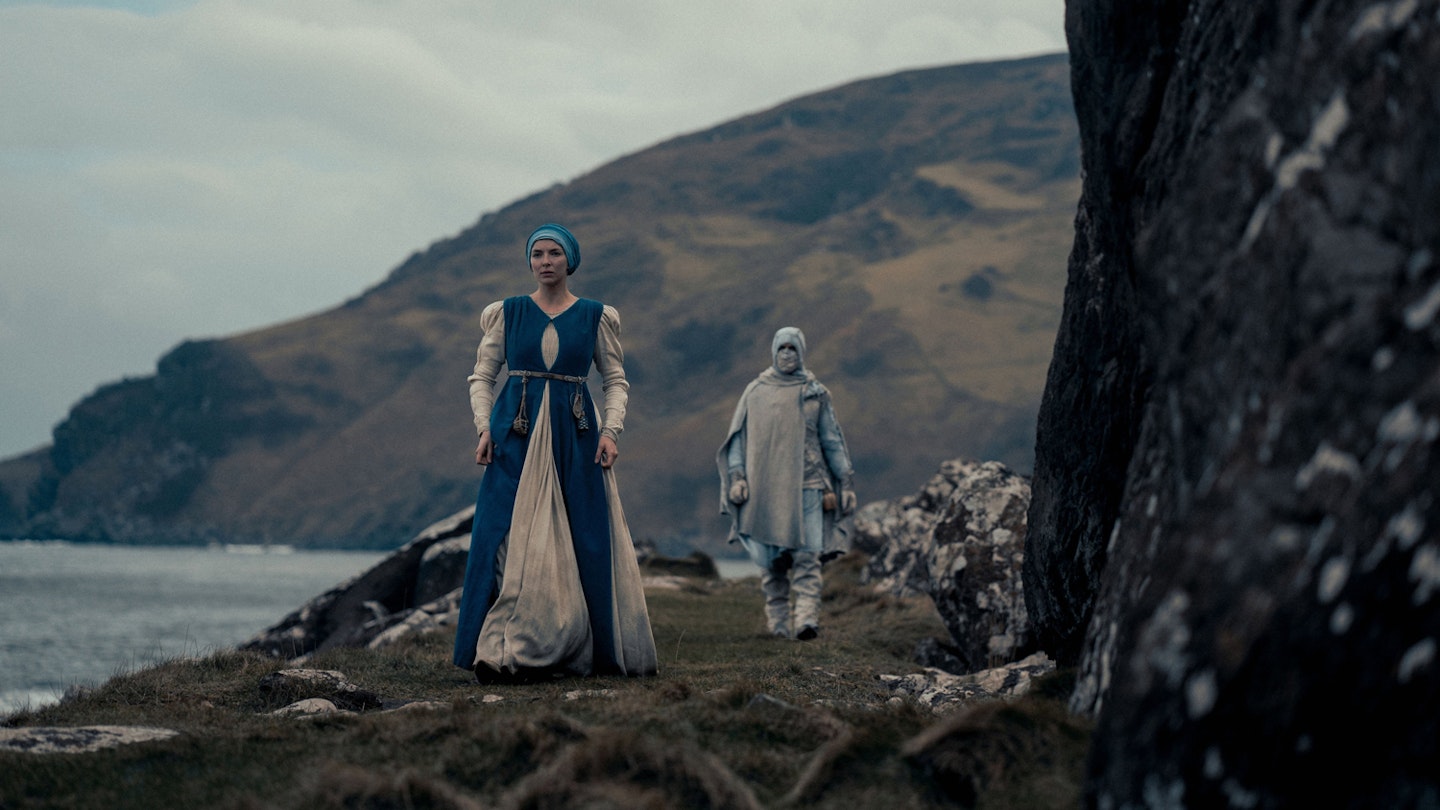
The film stars Hugh Jackman back in Logan terrain, playing another grizzled warrior worn down after a life of violence. Like Wolverine in that 2017 super-coda, his Hood is thrust into caring for a young girl, who awakens in him a new appreciation for life. After suffering gruesome injuries in a late-night attack on the farm his best friend Little John (Bill Skarsgård) calls home, Hood is taken to a remote island, where Jodie Comer’s Sister Brigid attempts to heal him. There, he develops a connection with Margaret (Faith Delaney) — Little John’s daughter — that opens his soul to all the things he missed out on amid his senseless campaigns of carnage.
Michael Sarnoski coaxes brilliantly tender performances from his cast.
Writer-director Michael Sarnoski has made a name for himself with stories about complicated loners like this, who cling to a single source of joy. In 2021’s Pig, it was a prized swine; in 2024 alien-invasion prequel A Quiet Place: Day One, it was a New York pizzeria. In The Death Of Robin Hood, it’s the found-family that Hood discovers in this gentle hideaway that gives him reason to stay alive. In Margaret, Brigid and a nameless leper wrapped head-to-toe in cloth, played by The White Lotus’ Murray Bartlett, he begins to learn, for the first time, to put down his bow.
Like with his previous films, Sarnoski coaxes brilliantly tender performances from his cast, and captures rural splendour like few other directors operating right now. After a punishing first act, shot in sombre greys, the movie erupts into colour as Jackman’s wounded killer contemplates his past. For some, what follows might feel like an unsatisfying left-turn. A plot thread involving Noah Jupe (Hamnet) as Arthur, a new arrival at the monastery, teases a bloody comeuppance that never arrives. Instead, Sarnoski condemns Hood to a final showdown with a foe far more menacing than any mace-waving maniac — his own crumbling conscience.
Beautifully understated after its initial bombast, this won’t be for everyone. For those with patience, however, it’s a poignant meditation on myth and the futility of violence.