
Platforms: Xbox Series X|S, PS5, PC
Developer Asobo Studio’s A Plague Tale games are best known for two things: guiding desperate orphans Amicia and Hugo out of harm’s way across a Europe blighted by the black death, and rats. Lots and lots of rats. Yet both are absent in Resonance, a prequel to the existing duology that feels more like a wholesale reboot.
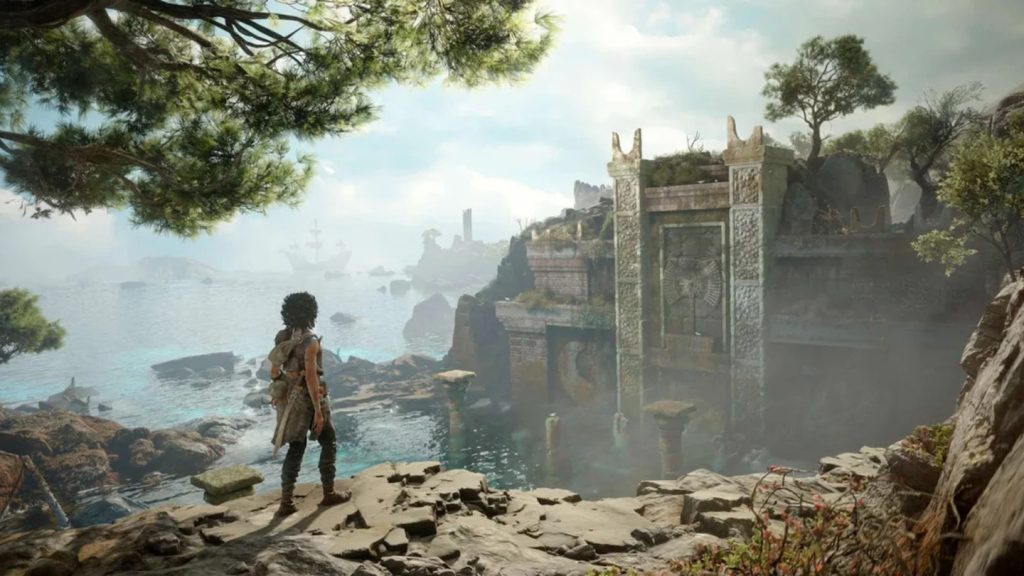
Set fifteen years before the first game, the focus switches to Sophia – the pirate queen introduced as a supporting character in the second game – in her youth. As a child, she’s held captive and experimented on by a shady convent of nuns, forced to document strange visions that torment her, flashes of an ancient island and a terrifying minotaur lurking in its depths. Rescued by her father, she grows into a talented young warrior, before ultimately being drawn to the same island that haunted her, aided by her friend – and implied love interest – Leni, and guided only by a book of her childhood drawings, full of half-formed images that hint at the challenges that await.
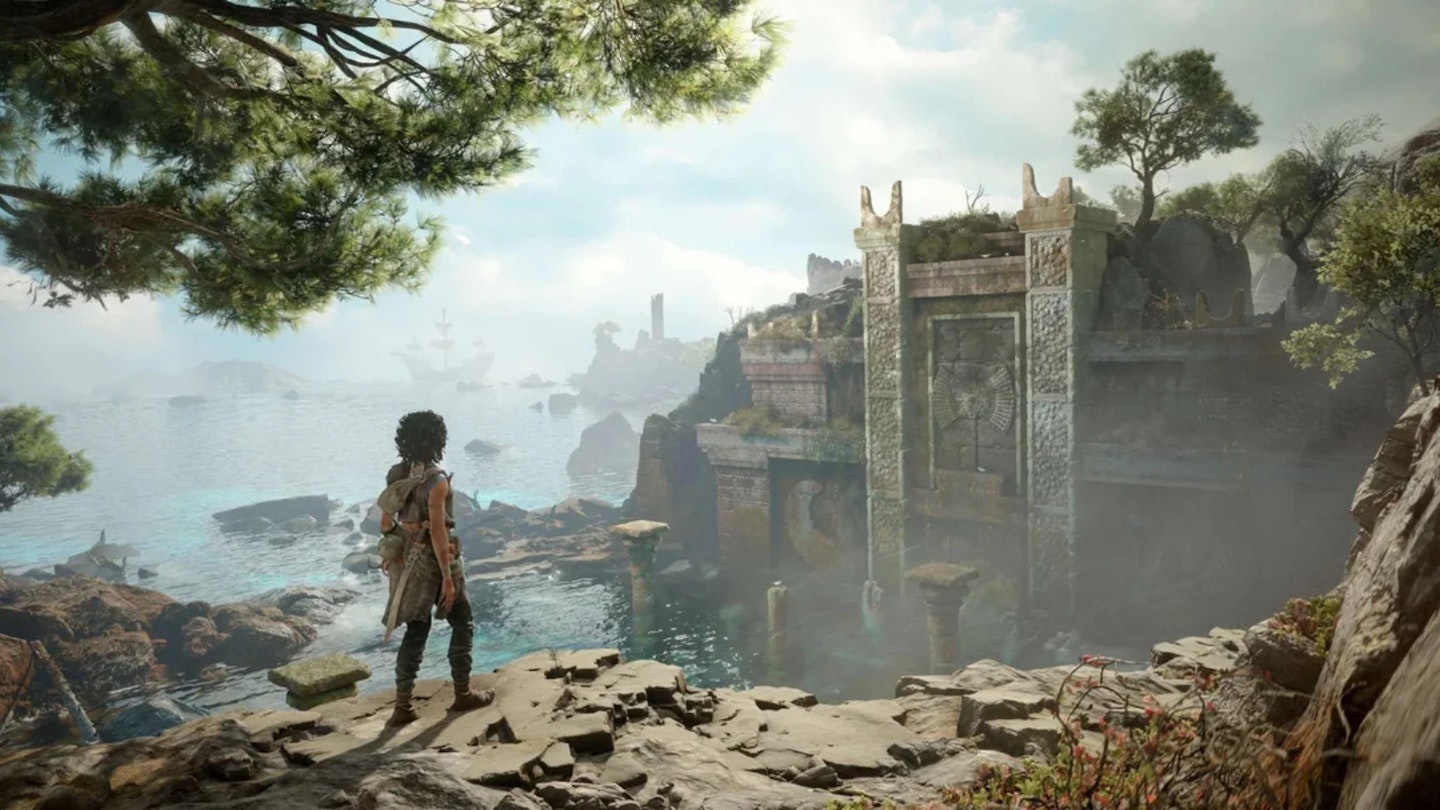
It all makes for a chance to expand the world of A Plague Tale, both narratively, with an expanded cast and a tale that ultimately taps into Greek myth (offering an inspired twist on the tale of Theseus in the labyrinth along the way), and structurally, shifting the series into action game territory. As an older, more capable protagonist, Sophia doesn’t need to skulk in the shadows, avoiding or distracting rival pirates or marauding soldiers – she can more than handle them herself, allowing Asobo to step away from pure stealth to deliver some surprisingly solid sword play.
Resonance starts off with a basic round of attacks, parries, and critical strikes, but builds up Sophia’s repertoire with more advanced skills allowing her to break through enemy defensive stances, shove foes off balance, and take control of the battlefield. New swords found in hero’s tombs hidden across the island afford new skills, while charms and trinkets improve Sophia’s chances to avoid attacks or dish out more damage.
It’s all smartly balanced, Asobo clearly knowing they have to transition returning players from predominantly stealth to action gameplay, and while it never reaches the technical heights of something like Elden Ring, it does demand a fair degree of skill. Unfortunately, those enjoyable bouts of combat are strictly scripted. Although the island is peppered with open areas, progress is strictly linear, meaning battles occur precisely when the story wants them to, and nowhere else.
It’s the best Plague Tale yet – even without a rat in sight.
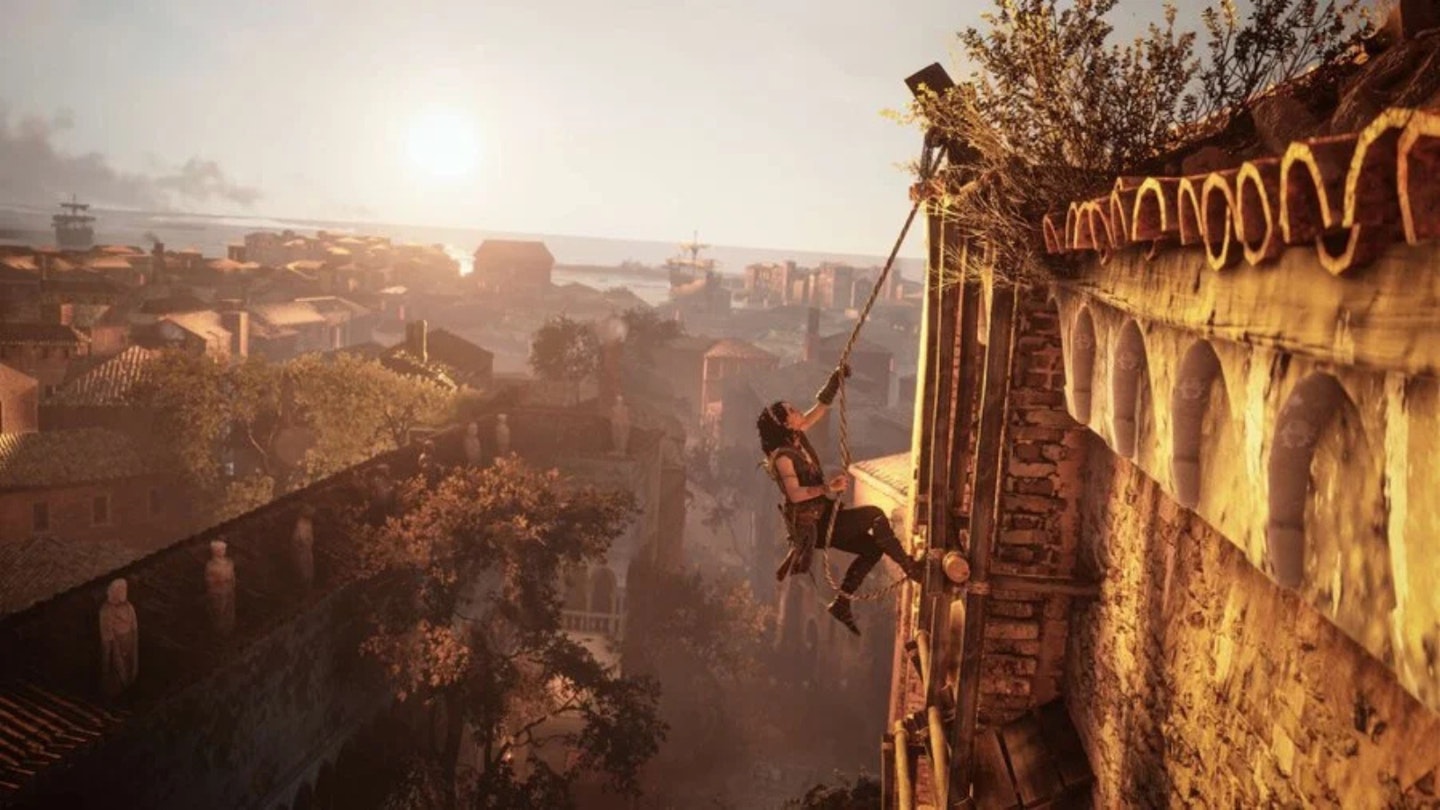
One aspect of the series that’s not changed is its embrace of environmental puzzles to solve. Sophia is soon equipped with an ancient sphere that serves as key to successive areas of the island, which gets upgraded with various lenses allowing her to manipulate light. Early on, these are pretty simple, with the orb’s beams revealing hidden messages, before evolving to refracted red/blue/green beams that unlock ancient mechanisms when properly aligned, which in turn might require clambering to some tricky-to-reach spot to find the right perspective. The result is that Resonance often feels like a hybrid of Assassin’s Creed and modern Tomb Raider.
That is until about halfway through, when there’s a marked shift and Resonance remembers the series’ roots as a stealth game. As Sophia learns more of the island, its history, and the source of her visions, she finally encounters the minotaur. Asobo crafts an incredible twist on the familiar monster, although one curiously similar to the Nemesis from Aphelion. It hunts in the shadows, tracking Sophia through its terrifying breath, forcing you to inch between spots of cover to avoid detection, or make desperate dashes for too-rare sources of light, which it cannot stand. Like the combat, these sections are scripted into place, rather than you spending the back half of the game perpetually on edge, but they’re brilliantly executed.
The sheer linearity of Resonance may chafe some players – there’s no backtracking at all, and the only reason to replay chapters is if you missed a collectible or two – but its blend of strong combat, intriguing puzzles, and desperately tense sections avoiding the minotaur make for a compelling experience. Throw in excellent voice acting in both French and English, and some fantastic cinematic moments that move its rich, mythologically infused story along, and it’s the best Plague Tale yet – even without a rat in sight.