

Is it too soon to say that 2026 is the year of cinema in gaming? We’re only halfway through, but we’ve already had James Bond’s first all-new adventure in years, with 007 First Light showing players how the world’s greatest secret agent got started, and Resident Evil Requiem delivering scares worthy of the silver screen. Even the likes of Lego Batman are getting in on the action, revamping the familiar kids’ series into a Tim Burton-esque brick-built bit of brilliance, while other contenders rifle through John Hughes’ filmography or tap 2001 for a bit of AI-battling inspiration.
Then again, there’s also a host of more “classically minded” video games vying for players’ attention, with a mix of Metroidvanias, bullet-hell roguelikes, and, of course, Pokémon among the best games 2026 has had to offer so far. Read on for Empire’s ranking!
The 10 Best Games Of 2026 (So Far)
10. MIO: Memories In Orbit
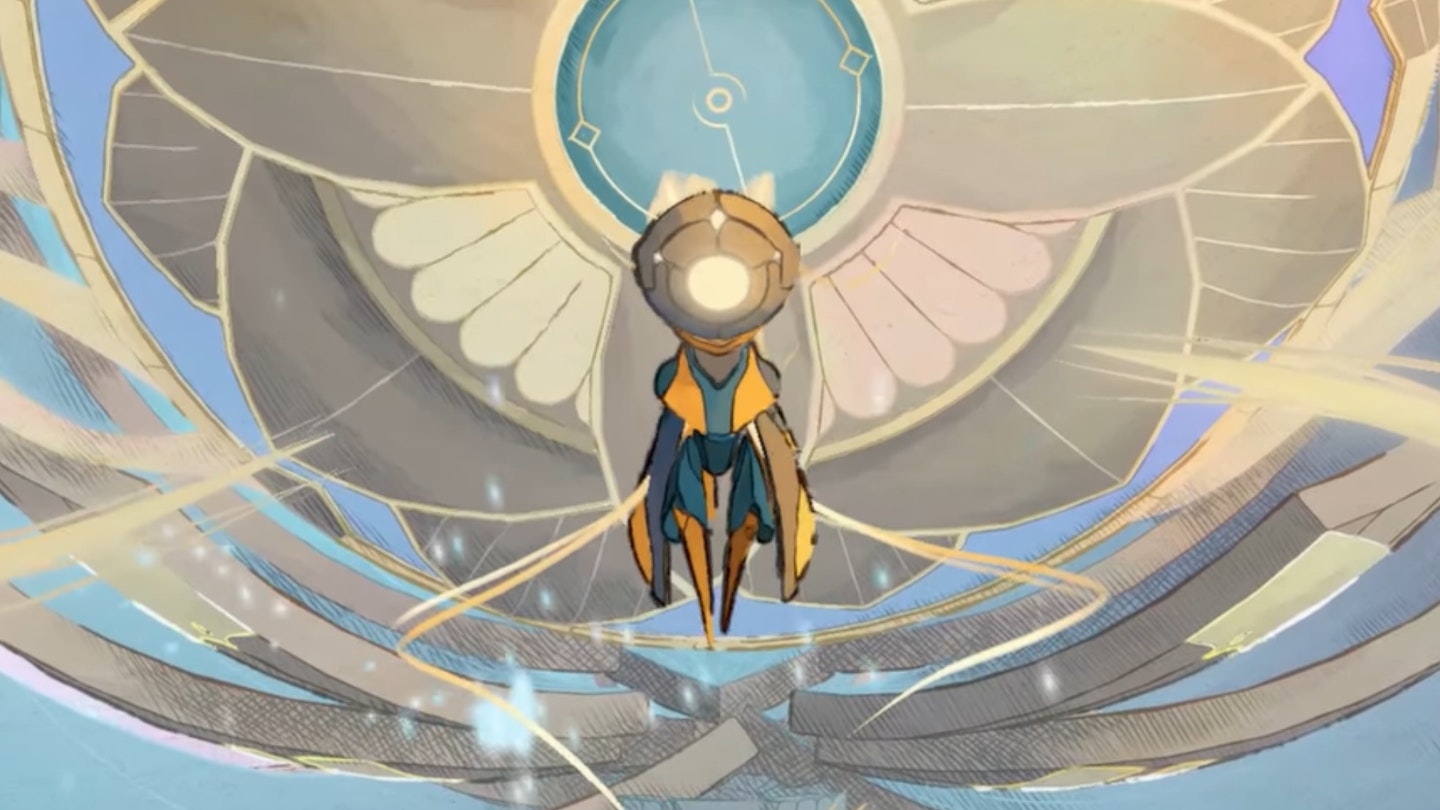
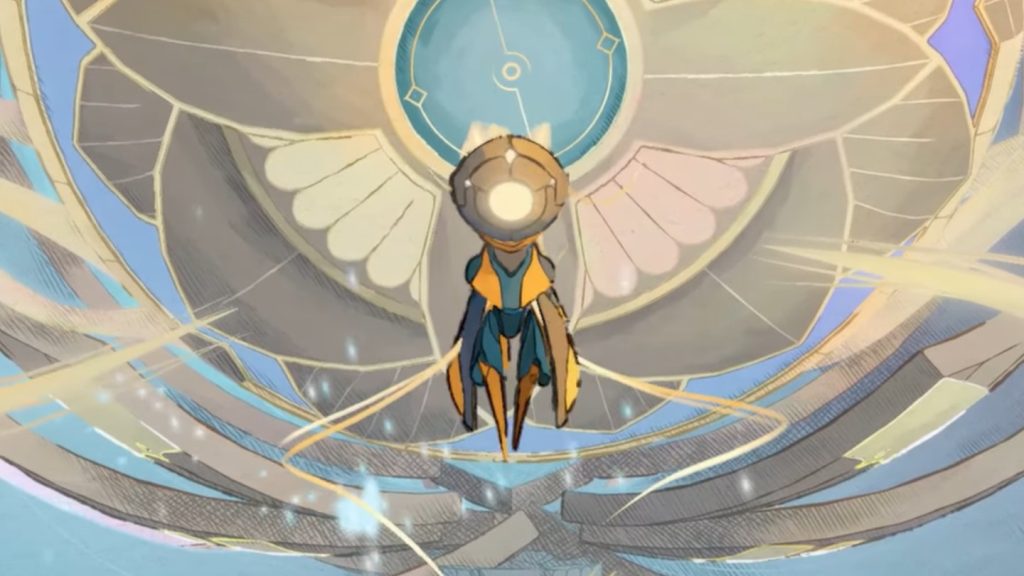
Outside of the very dedicated community of Metroidvania obsessives, no-one was expecting MIO to be anything special. Instead, it proved itself one of the most compelling action platformers in years. As the titular robot, you awake on a colossal, decaying, empty ship known only as “The Vessel”, and are left to simply explore. What you uncover is a desperate last gambit for survival, and a powerfully human story despite the absence of any humans. Its gorgeous watercolour-style visuals, painted atop 3D models, elevate the strange environments that have spread through the ship over the years, while the skills Mio acquires along the journey make for some best-in-class gameplay. Sharp and snappy combat, challenging bosses, and a fantastic sense of discovery make this a new highlight for the genre.
Read Empire’s review of MIO: Memories In Orbit.
9. Lego Batman: Legacy of the Dark Knight
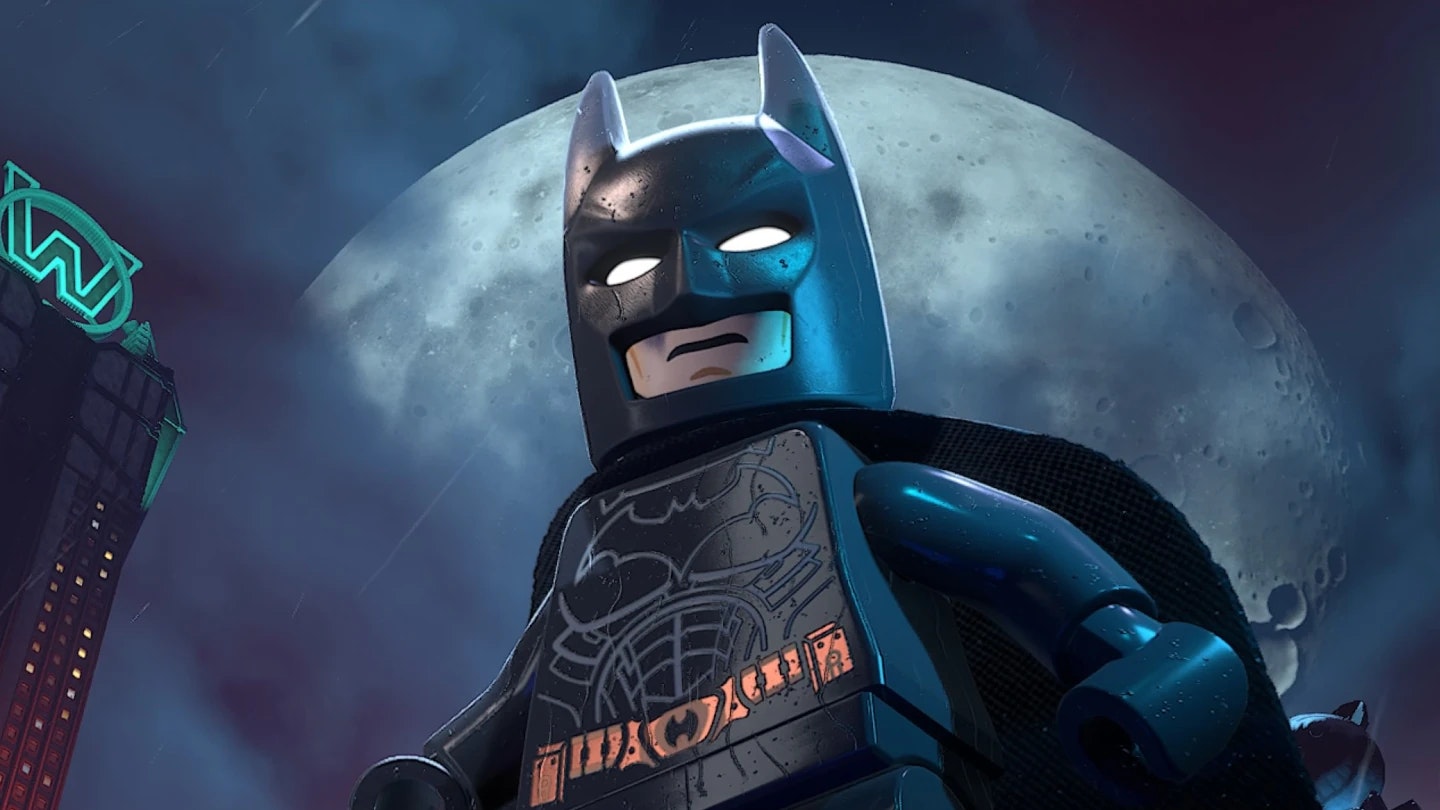
Riddle me this: when is a Lego game not really a Lego game? When it’s secretly the best Batman game since the heydays of the beloved Arkham series. OK, not exactly a brain-teaser that’ll have the Caped Crusader scratching his cowl, but TT Games’ reboot of the brick-build series is a delight for fans old and young. It does away with much of the formula of past Lego Batman games – of past Lego games as a whole, really – and instead of drowning players with thousands of unlockables and hundreds of interchangeable characters, this opts for a well-told story tapping into key moments of Bat-lore, a tight cast, and more interesting mechanics than “hammer A to win”. Combat has nuance, advanced skills are unlocked RPG-style for a real sense of progression, and racing the Batmobile around the staggeringly detailed streets of Gotham is a joy. And, while it all feels very grown up, it still packs in that quintessential Lego charm throughout.
Read Empire’s review of Lego Batman: Legacy Of The Dark Knight.
8. Pokémon Pokopia

Take the life-sim elements of Animal Crossing, blend in the entirely re-buildable worlds of Minecraft, and pour it into a _Pokémon-_shaped mould. The result is Pokémon Pokopia, an adorable sandbox game featuring everyone’s favourite blob of purple goo Ditto – as they rebuild after global disaster has forced humanity to evacuate the planet. That sting in the tail (tale?) of Pokopia is the hook that draws you through the story mode of co-developers Game Freak and Omega Force’s strange mash-up, but the sense of satisfaction you get from exploring, rebuilding, attracting hundreds of abandoned Pokémon into Pokésociety, and reshaping entire biomes single-handedly keeps you coming back day, after day, after day, after… The worst thing about Pokémon Pokopia? It’s basically going to steal your life.
Read Empire’s review of Pokémon Pokopia.
7. Pragmata
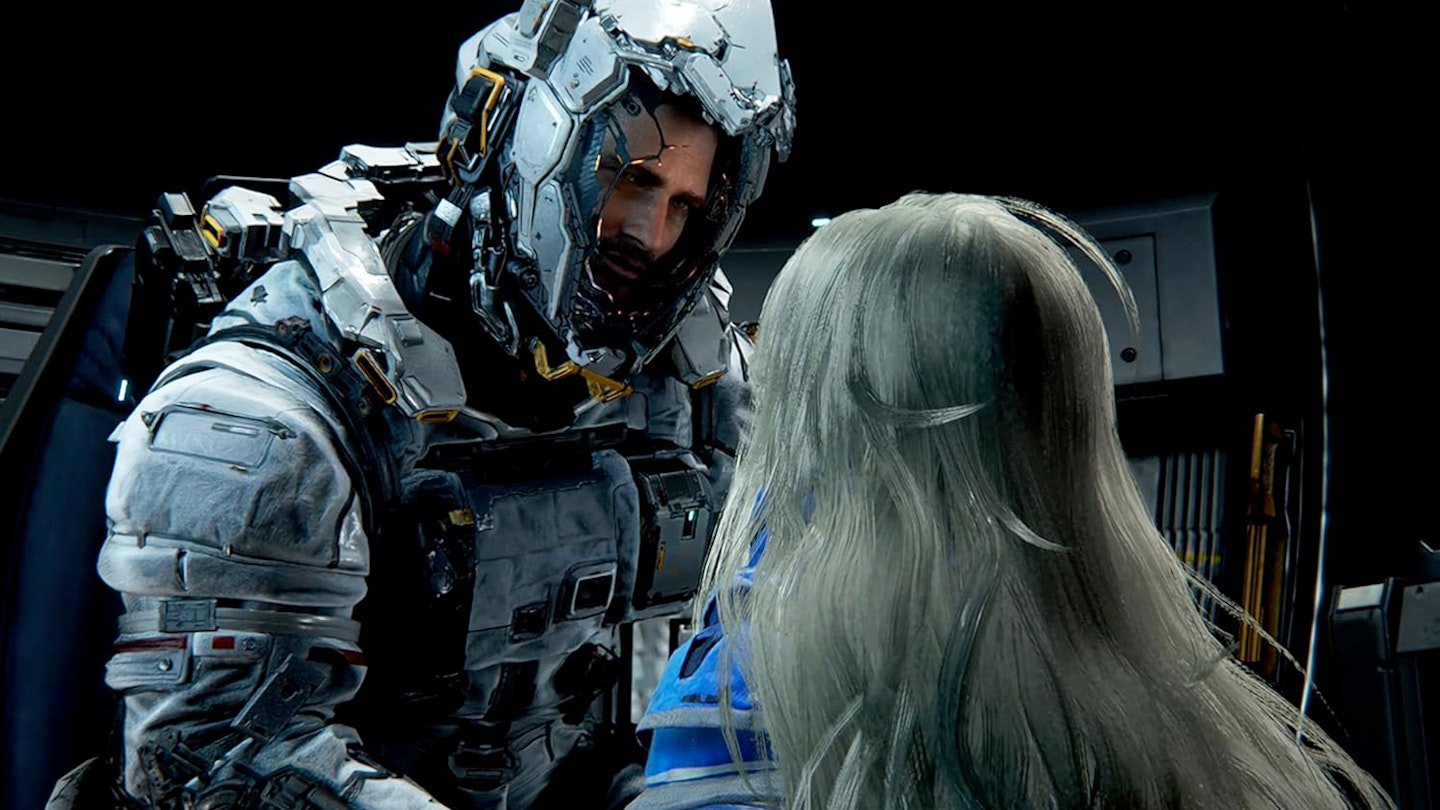
It’s always good to see fresh ideas in games, and Pragmata doesn’t disappoint. Sure, as both a sci-fi epic set on a moonbase overrun by a deranged AI, and a touching story between a man, gruff space mechanic Hugh, and his adopted (robot) daughter, Diana, you can see the influences, even as Capcom remixes them in interesting ways. The game’s real genius is in its combat though, which is probably the world’s first hybrid of first-person shooter and real-time puzzler. As Hugh, you’re racing around, trading fire with disturbingly designed robot nightmares, while as Diana, you’re simultaneously hacking those enemies via a glorified panel-flipping puzzle grid to create vulnerabilities for Hugh to exploit. It plays like nothing else, it’s a stunner to look at, and there’s even some surprisingly thought-provoking commentary on the current real-world problems with AI. A fantastic debut for what will hopefully be a strong new series from Capcom.
Read Empire’s review of Pragmata.
6. Cairn
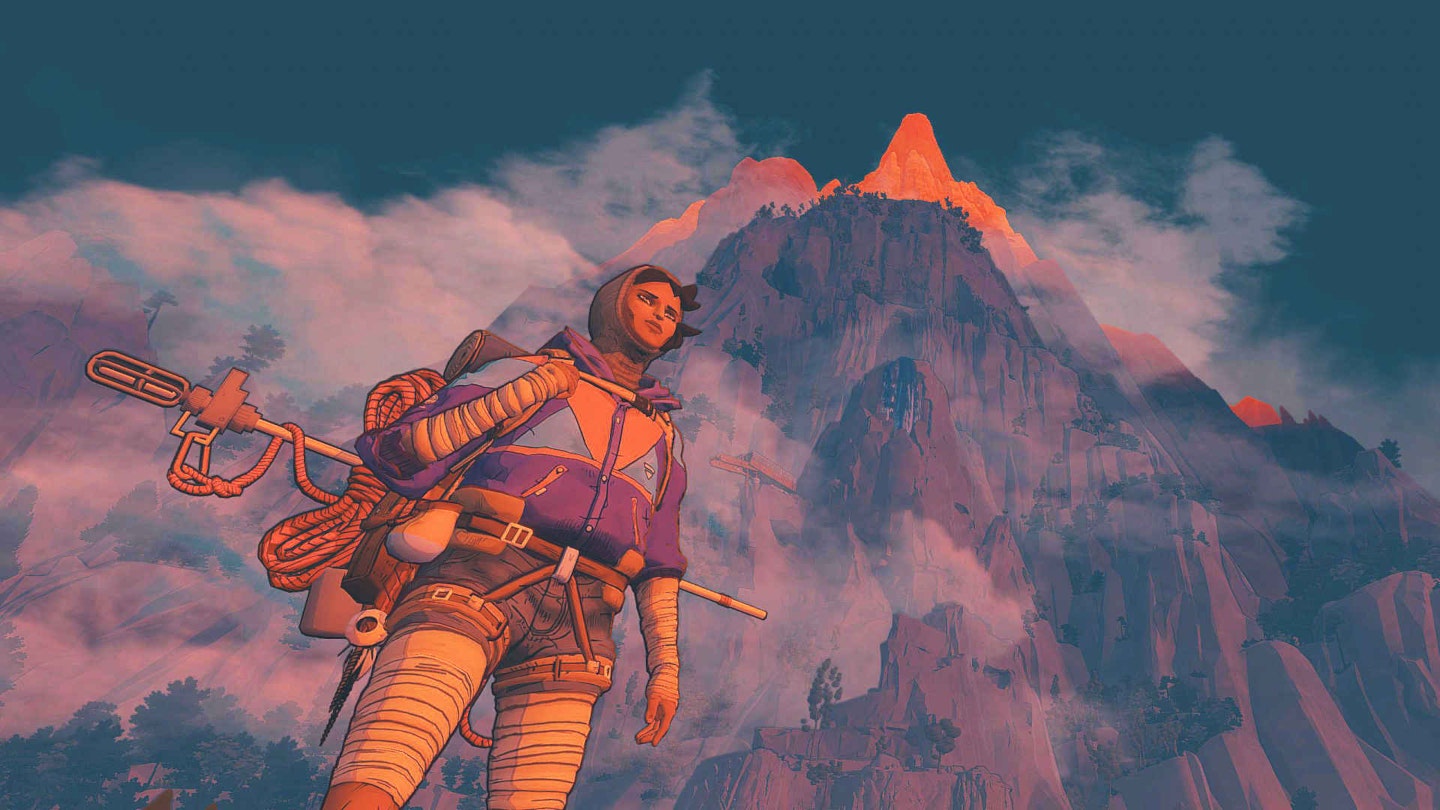
If the depiction of the ardour and risks of mountain climbing in the likes of 127 Hours or Touching the Voidput you off so much as looking at a rockface, Cairn might instead convince you of the splendour you’re missing out on. As Aava, you’re out to conquer Mount Kami, a 9,000 metre tall landmark steeped in mythology and folklore. You’ll chart your own route, independently controlling each of Aava’s limbs as you spy grips and footholds to inch upwards, with developer The Game Bakers painstakingly balancing the skill and technique required for climbing with survival mechanics such as hunger, thirst, and exhaustion management. Cairn is as much adventure game as it is climbing sim though, with Aava’s motivations for tackling the ascent, and the mysteries of the mountain itself, slowly revealed along the way, drawing players into a mesmerising otherworld. Tense and demanding, yet strangely meditative, and all gorgeously painted in a striking cel-shaded art style, Cairn is like little else.
Read Empire’s review of Cairn.
5. Mixtape
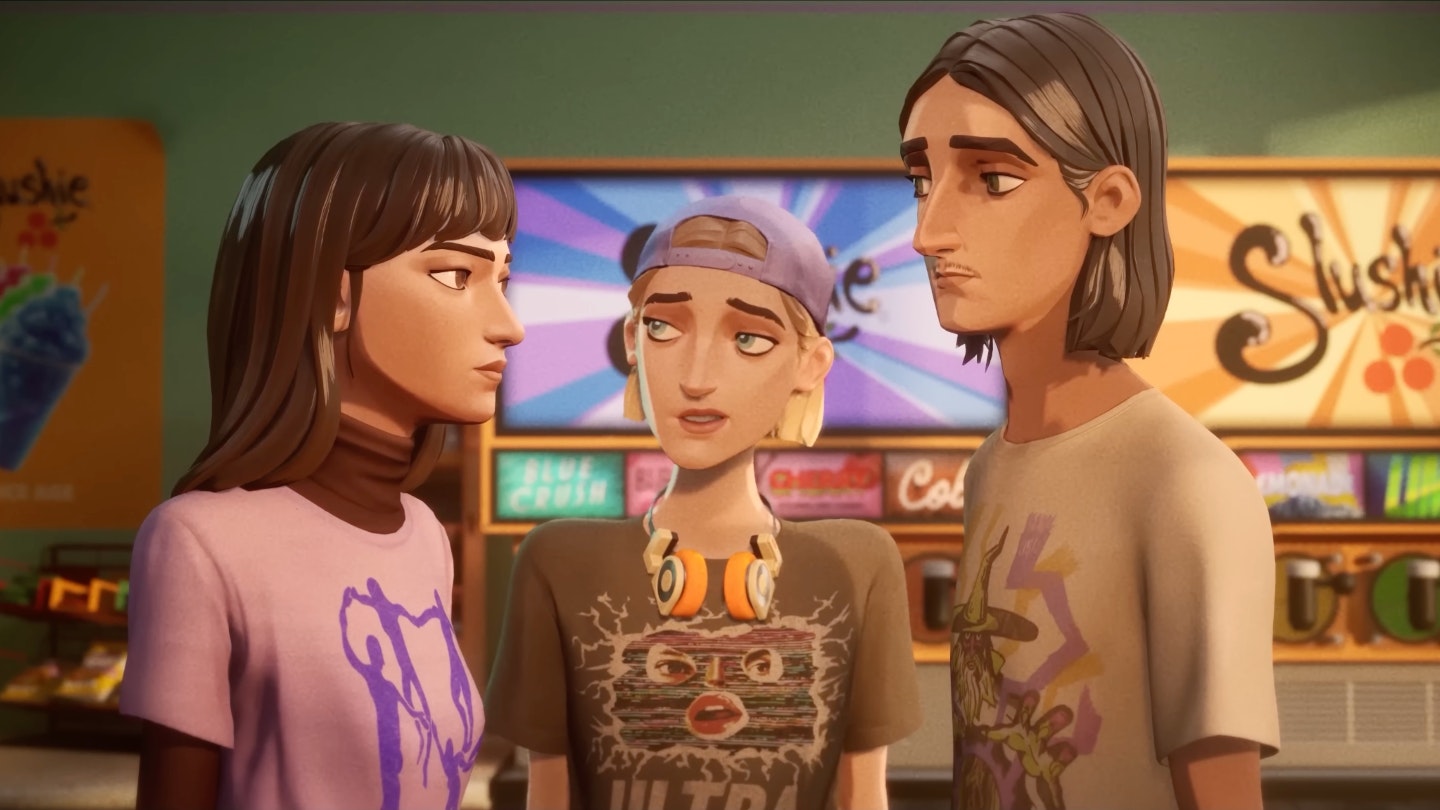
There’s been quite the furore over Mixtape, developer Beethoven & Dinosaur’s ode to music, ‘90s hipsters, and the joys of a gloriously misspent youth. “It’s not a game!”, cry some. “Press X to win!”, complain others. “Woke nonsense!”, bleat the usual tiresome chorus, offended whenever a video game dares to feature [checks notes] women. The first two cohorts have some fair points – as a narrative adventure, Mixtape really is an incredibly linear, practically unfailable experience. Yet it’s also unforgettable. Playing as music-obsessed Stacey Rockford, it follows her last days with best friends, Van Slater and Cass Morino, before high school ends and they oh-so-reluctantly begin adult life. That’s where the magic of the game is – it’s about feelings, memories, regrets, with each beat of the trio’s journey set to a painstakingly chosen music track that builds up the soundtracks of their lives. It’s essentially a playable John Hughes movie, and like the best of the Brat Pack era, you’ll be thinking of these kids long after you put down the controller.
Read Empire’s review of Mixtape.
4. 007 First Light
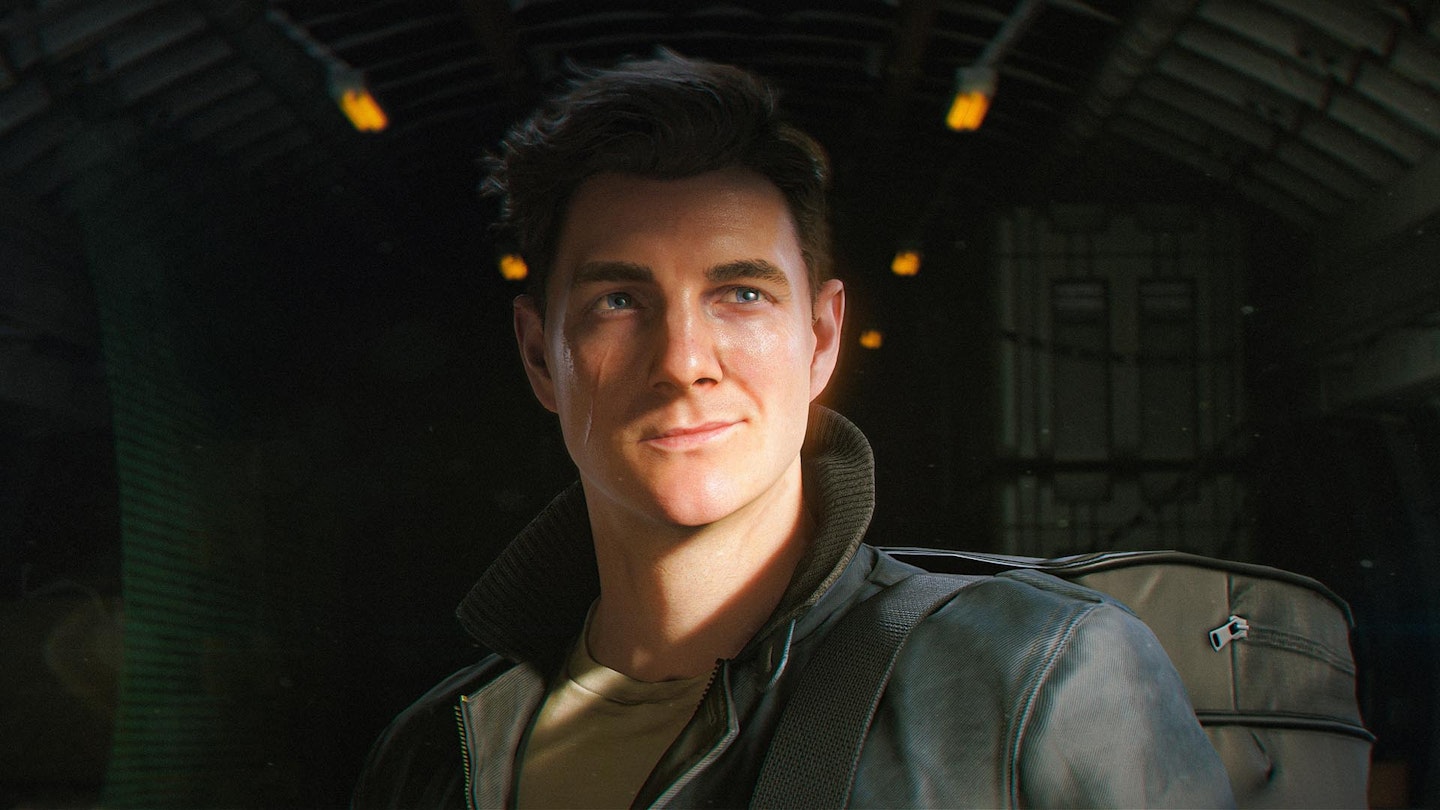
We might still be waiting on a new cinematic Bond, a half-decade on from Daniel Craig having No Time To Die, but this prequel outing from IO Interactive does a commendable job of filling the gap. Inspired by original creator Ian Fleming’s stories, it’s basically “Bond Begins”, following a 26-year-old James (convincingly played by Patrick Gibson, should Amazon MGM Studios still be looking) as he’s recruited into MI6, through his training, and earning that iconic 00 call-sign. The plot is as twisty-turny as any great spy thriller demands, giving us first meetings with major supporting characters such as Moneypenny, Q, and M along the way, while the mix of shooting, driving, and stealth gameplay is as flawlessly executed as you’d expect from the makers of Hitman. Plus, it’s even got the requisite smokey-vocals opening number, the eponymous title song by Lana Del Ray. First Light might not quite be the same as Bond back on the big screen, but if your telly’s big enough, it’s close enough.
Read Empire’s review of 007 First Light.
3. Forza Horizon 6
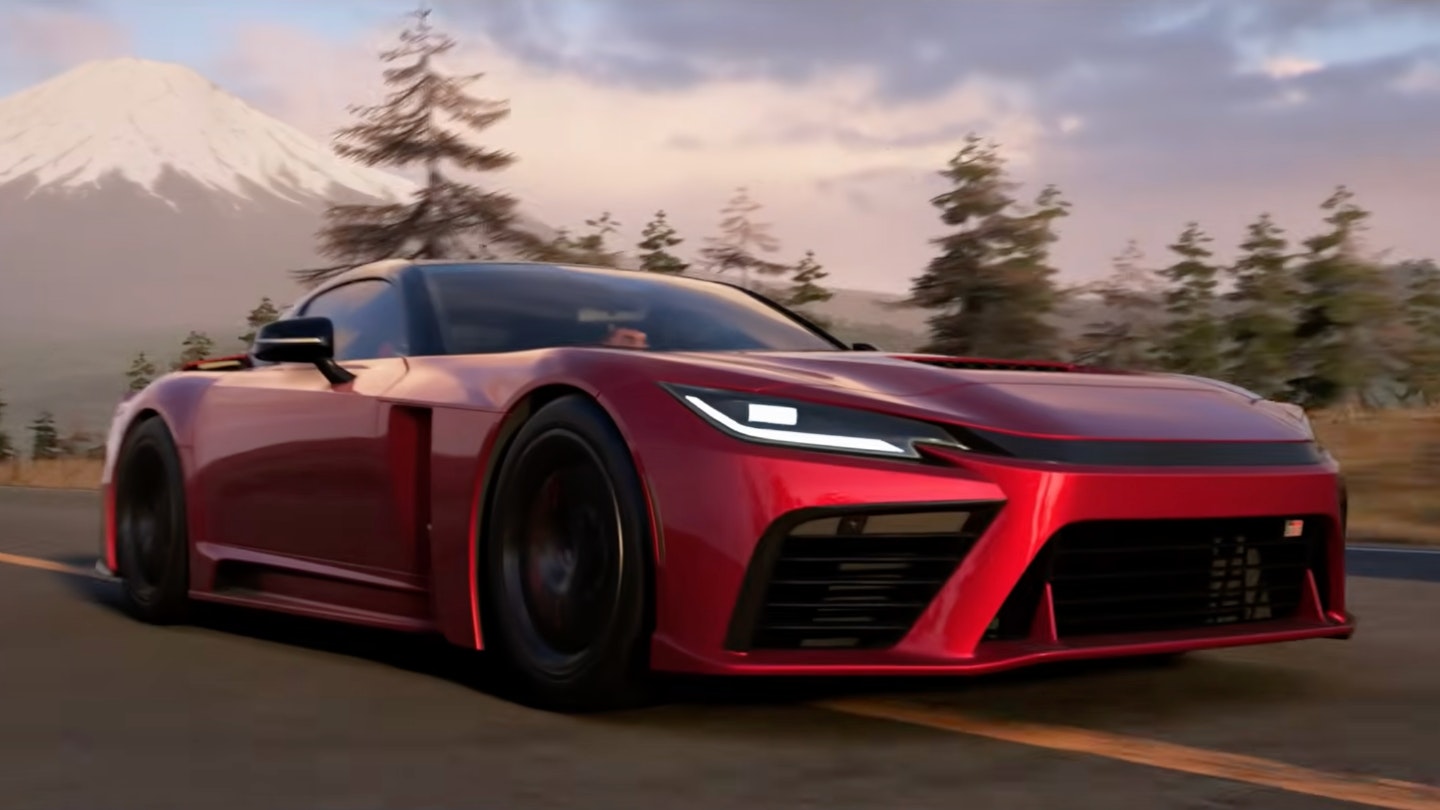
The Forza Horizon series has long been a crossover delight – a racing game for people who don’t have to like racing games. While past entries have taken drivers around gorgeous recreations of Australia, Mexico, and even rain-swept Blighty, the sixth tournament opts for a race around Japan. It’s a breathtakingly beautiful, if somewhat condensed, locale, cramming the urban streets of Tokyo next to idyllic rural communities and striking natural wonders, but respectfully and realistically taps into Japanese car culture – expect plenty of nods to the likes of Tokyo Drift and classic anime Initial D. For dedicated motorheads, Horizon 6 is the pinnacle of the genre – a gargantuan festival of fuel, with more than 500 stunningly detailed and customisable cars, hundreds of nail-biting races to participate in, and a host of online and challenge modes to keep the pedal to the metal, but for anyone else, there’s still an almost meditative delight to be found in simply roaring around this vast open world.
Read Empire’s review of Forza Horizon 6.
2. Saros
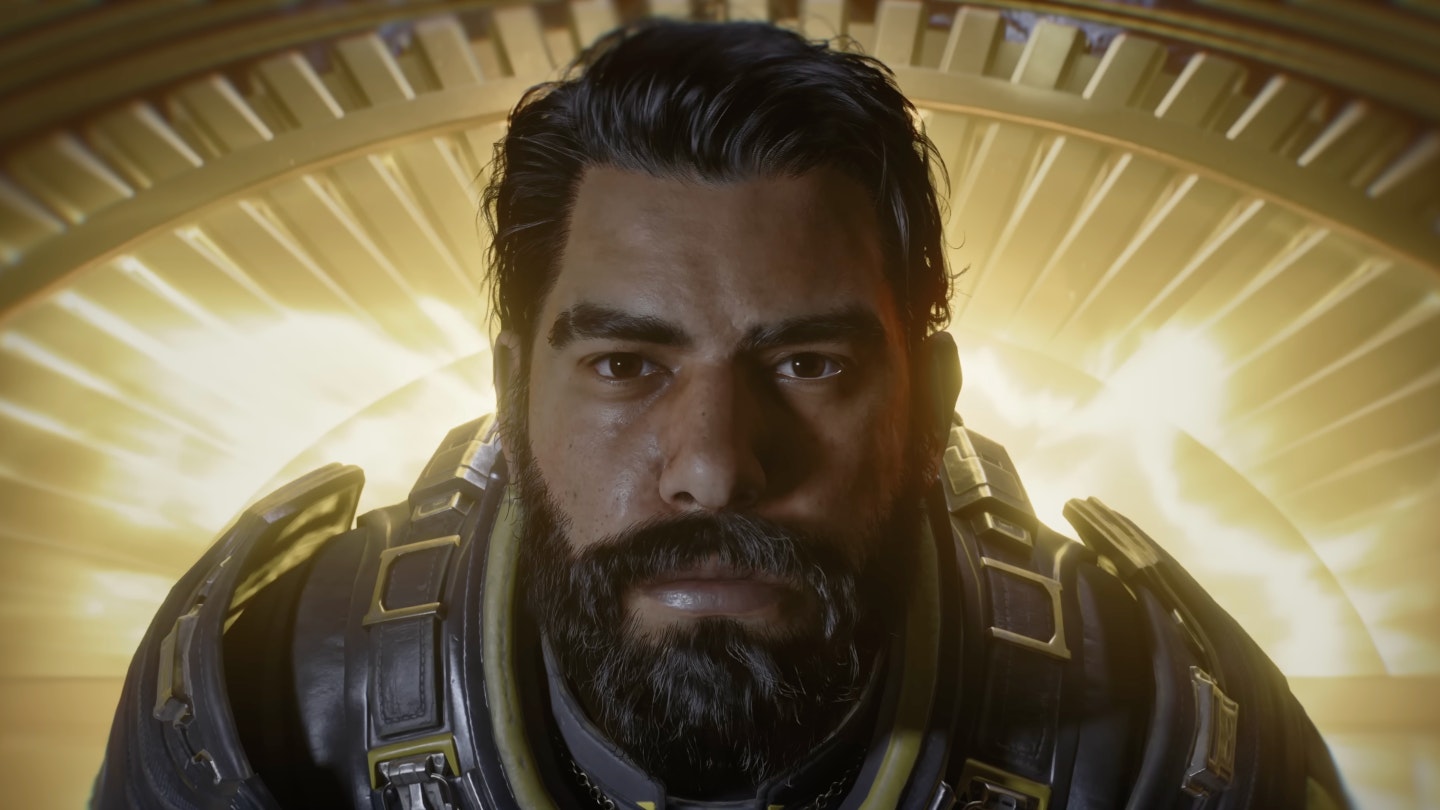
Don’t call it a comeback – Saros isn’t strictly developer Housemarque’s sequel to early PS5 stand-out Returnal, but it is built very much in its predecessor’s image, keeping its timeloop structure and roguelike mechanics intact but improving just about every other aspect of the game. As corporate space soldier Arjun Devraj (Rahul Kohli), you’ll make plenty of comebacks though – sent by the shady Soltari conglomerate to investigate missing assets– sorry, colonists on the strange world of Carcosa, expeditions into the ever-shifting terrain ends in death, followed by mysterious resurrection. Each attempt sees you gather resources to power up, allowing you to get further each run, creating a captivating cycle of trial and error. What really elevates Saros above its predecessor though is its pure polish. Exquisitely precise combat against monsters spewing bullet hell levels of projectiles keeps you constantly on your toes, but never feels unfair when you inevitably fail, while the mysteries of Carcosa – a darkly beautiful planet full of forbidden wonders, Giger-esque architecture, and ominous eclipses – build up into a far stronger, weirder, tale tinged with cosmic dread. Saros is the kind of game that keeps you playing through the night: go on, just one more go…
Read Empire’s review of Saros.
1. Resident Evil Requiem
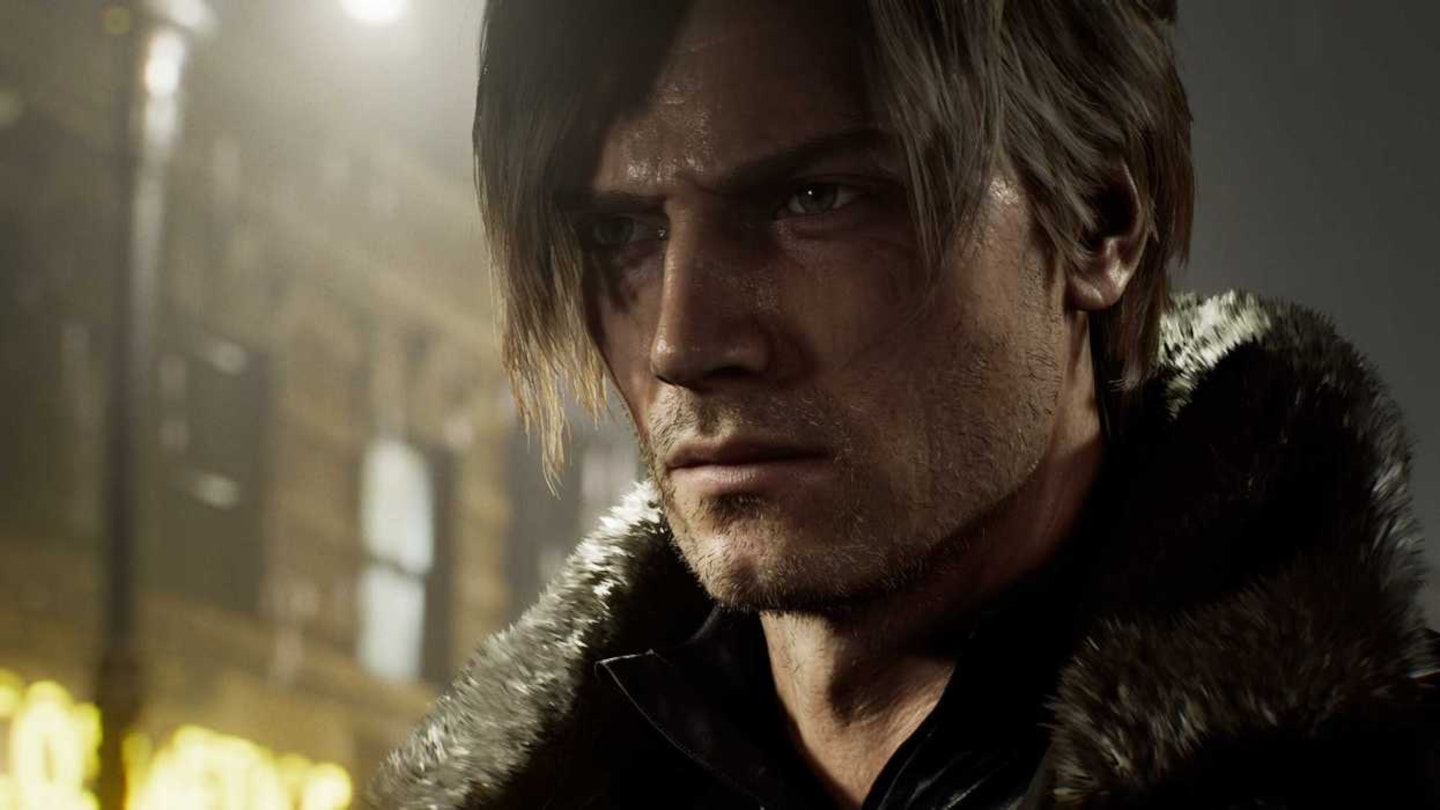
It’s shaping up to be a banner year for Capcom. Beyond the aforementioned Pragmata, the Japanese giant has also impressed with the wonderful RPG Monster Hunter Stories 3, and has the long-awaited return of Onimusha on the cards for later in 2026, but nothing looks capable of dethroning Resident Evil Requiem. Split between returning action hero Leon S. Kennedy and newcomer Grace Ashcroft, this is a classic two-pronged tale of terror. As Grace, you’re investigating a string of deaths, starting with one in the same hotel her mother was killed in years earlier; as Leon, you’re chasing down more Umbrella Corporation monstrosities. You’re nudged to play as Leon in third-person to emphasise the combat elements and Grace in first-person for maximum fear, but either way, Requiem brings the scares in a way Resident Evil hasn’t in years. It’s also damn near photo realistic in places, leaving you dreading what hides around each corner. A masterful return to form for the series, and the best game of the year so far.
Read Empire’s review of Resident Evil Requiem.