

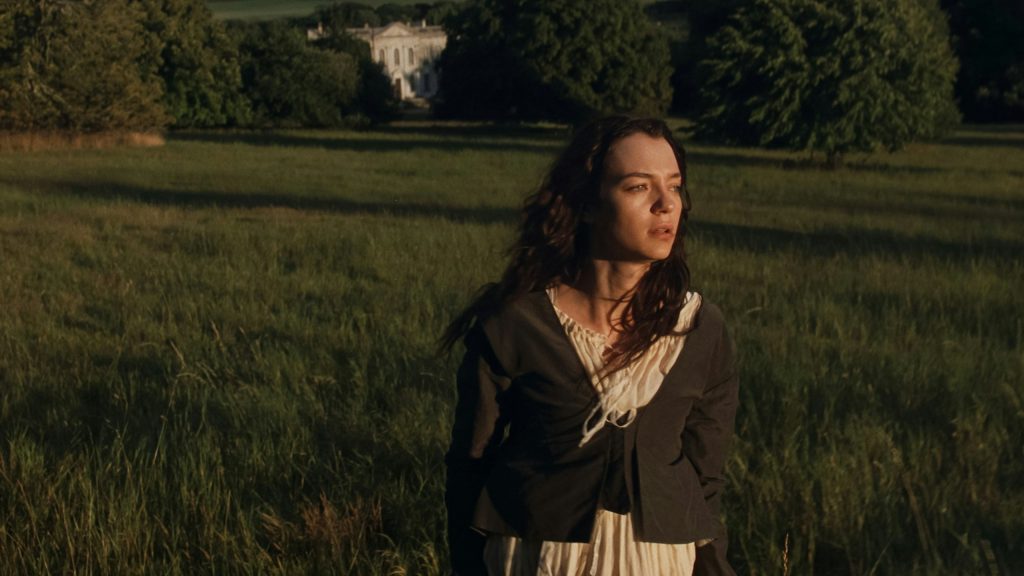
Elinor (Daisy Edgar-Jones) and Marianne (Esmé Creed-Miles) Dashwood, two very different sisters, navigate the passion and pitfalls of first love.
Hitch up your petticoats: it’s Austen autumn. Later this year, we’ll get a Netflix miniseries of Pride And Prejudice, but first up is this achingly tasteful take on Jane Austen’s other big-hitter, Sense And Sensibility. It’s the first feature film adaptation of the story since Ang Lee’s movie back in 1995, which boasted an Oscar-winning script by Emma Thompson.
You can imagine the trepidation of director Georgia Oakley, who broke out with 2022’s lesbian drama Blue Jean, and debut screenwriter Diana Reid, to approach this hallowed material. And while there are some flourishes that help make the story feel contemporary (the eternal mission of the period-drama filmmaker), sadly the film struggles to carve out its own distinct identity, feeling more like a hotchpotch of influences than a unique retelling.
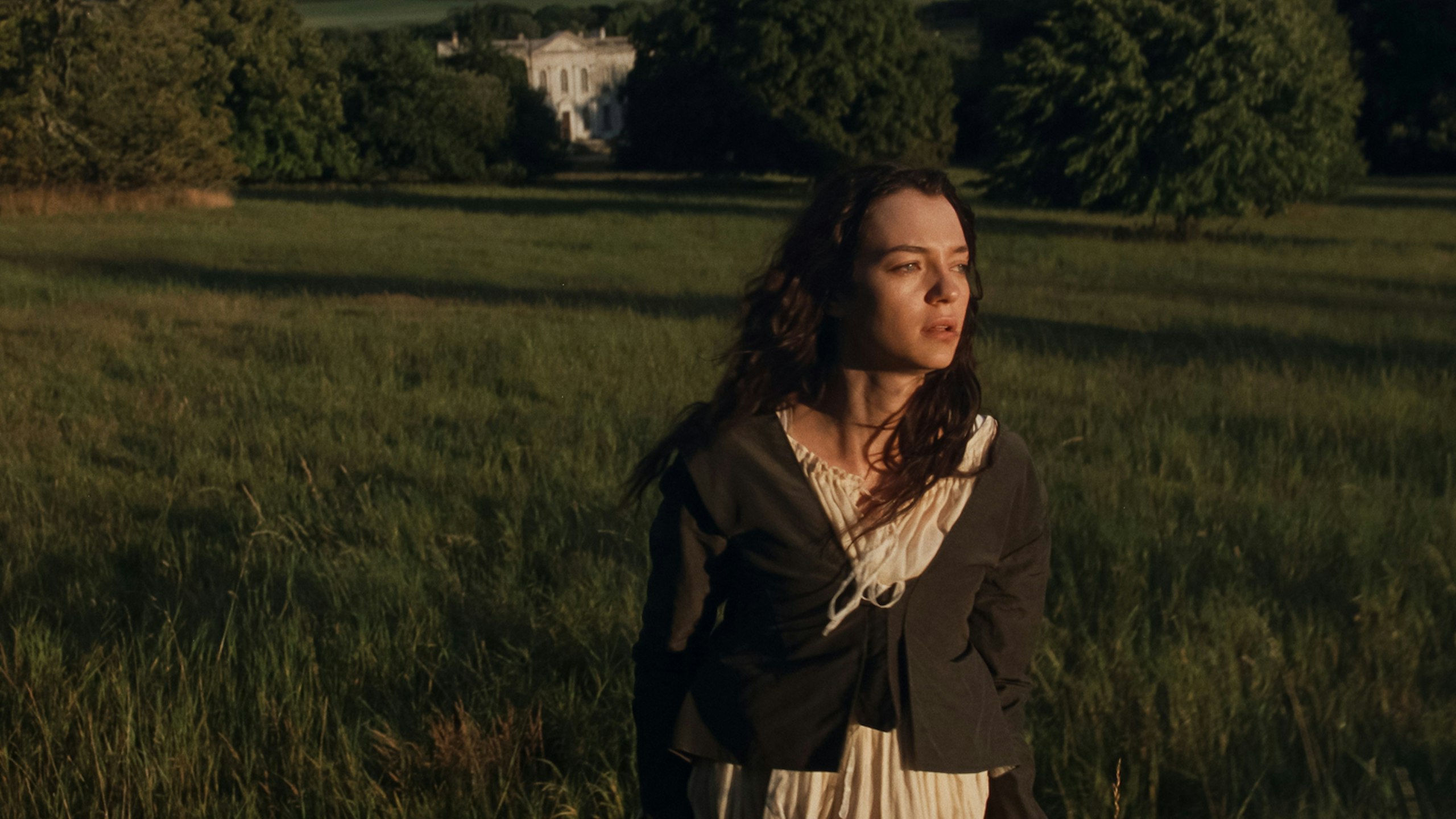
It certainly all looks ravishing.
Wisely, Oakley opens the film by emphasising that the real subject underpinning every Austen novel is women’s lack of economic security. The Dashwood sisters, reserved Elinor (Daisy Edgar-Jones), passionate Marianne (Esmé Creed-Miles) and tomboyish Margaret (Bodhi Rae Breathnach), are being turfed out of their stately home thanks to wills always favouring sons over daughters. Elinor finds a kindred spirit in Edward Ferrars (George MacKay), the kindly and shy brother of scheming in-law Fanny (Stacy Martin). Their early scenes together are the film’s best, with Edgar-Jones and MacKay building a warm, tender rapport, and MacKay making Edward come across as principled and loyal, rather than a wet blanket.
But the Dashwoods are soon shipped off to the only home they can now afford, a small cottage in Devon, where Marianne falls into the arms of the devilishly charming John Willoughby (Frank Dillane), to the chagrin of strong but silent Colonel Brandon (Herbert Nordrum).
It certainly all looks ravishing, the 35mm film stock beautifully capturing the textures of the natural world in which the sisters frolic. But the cinematography, costumes and production design seem heavily indebted to Joe Wright’s 2005 Pride And Prejudice, with some overt references to Wuthering Heights and Far From The Madding Crowd. Having grappled with Austen’s key themes, the film’s focus shifts to straightforward romance, which feels rather played out and, crucially, not especially funny.
Edgar-Jones holds the fort, but the central relationship between the two sisters with such opposing attitude too love also feels rather underserved, as if the screenplay’s expansion of the central romantic relationships ironically means the sacrifice of the story’s real heart.
Bolstered by strong performances, this handsome but derivative take is a little bloodless, with Austen’s sharp wit sanded down to fit a more romantic mould.