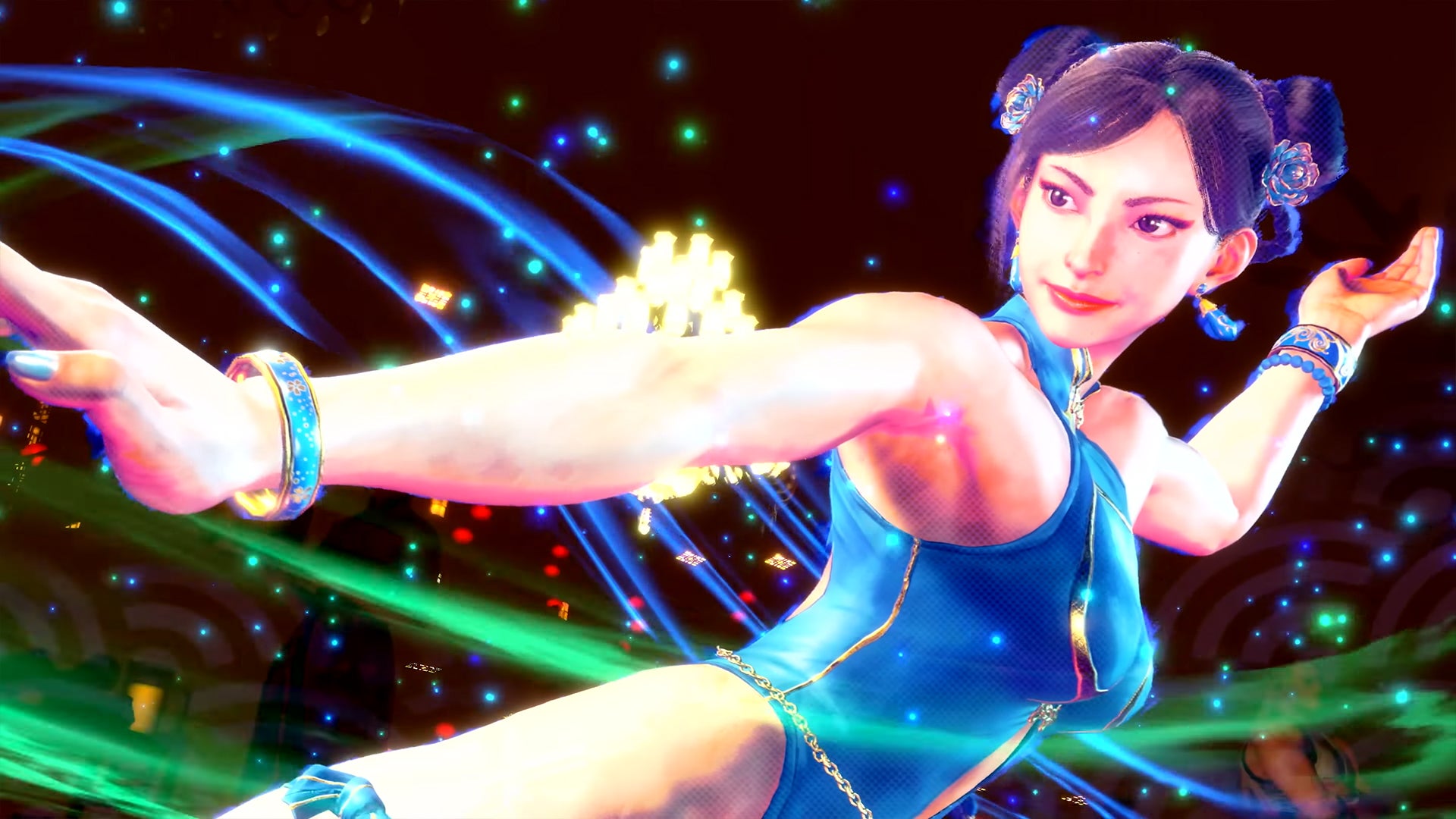


Street Fighter 6 producer Shuhei Matsumoto revealed how dire things were for Capcom’s flagship fighting game franchise during the Street Fighter V era and explained how he and director Takayuki Nakayama worked together to save the series from death.
It’s no secret that Street Fighter V stumbled massively when it launched in February 2016. Many players felt that it was shipped out in an unfinished state, as it lacked basic elements like an arcade mode or story mode, on top of its incredibly unstable netplay.
Shuhei Matsumoto — who stepped in as producer for Street Fighter V near the end of its lifetime following Yoshinori Ono’s exit from Capcom in 2020 — alongside director Takayuki Nakayama, recognized that the franchise as a whole was in peril, and believed that the Street Fighter IP might actually fade into obscurity within the next decade if they didn’t act fast.
“When the two of us were talking during Street Fighter V, we realized that if we didn’t do something about Street Fighter, the Street Fighter IP would probably die in 10 years. It was critical. So, we had to make it a game where people would get to know it all over again and play it again,” Matsumoto said during an October 2026 interview with Karin Ohira.
Matsumoto explained that SFV’s aging playerbase was one example of this issue, saying Capcom needed to target younger players if it wanted Street Fighter to live.
“At that time, the player base for Street Fighter V was roughly 35 to 45 years old. In 10 years, these people will be 60. It’s difficult to sustain the franchise if we only rely on that group,” he continued.
“…It had become a distant presence. People knew of the scene, but weren’t actually playing the game, which made us think, ‘This is bad.’ In the end, we’re a game company, yet people weren’t playing our game. Isn’t that the most fatal thing? So that was the biggest danger. We didn’t know if those people would continue with the same level of passion, and naturally, there’s a lifespan to things, right? That’s when we talked about how, if we left it as it was, the IP would likely die in 10 years.”
So, how did they manage to turn things around so dramatically with Street Fighter 6? Matsumoto said that the team avoided relying on its power as a historic IP, and decided to start with a blank slate, as if no one in the current generation knew about it, at all.
“While people say Street Fighter has high name recognition, we shouldn’t be overconfident. We decided to act as if the current generation doesn’t know us. We have to properly explain things to those who are just starting to play games now — like who these characters are and how to play — so we don’t take that familiarity for granted.”
Matsumoto also said that the development of SF6’s Modern control scheme was integral to reaching a new audience, alongside other approachable features like World Tour Mode (which has since been paused for the forseeable future), the Battle Hub, and real-time commentary from community figures like Vicious and Tasty Steve.
Matsumoto and Nakayama’s plan paid off big time; Street Fighter 6 is one of Capcom’s most successful Street Fighter games of all time, having sold more than seven million lifetime units as of summer 2026. It’s extremely popular both in Japan and abroad, and boasts a massive playerbase across both Steam and consoles.
It’s a big year for Street Fighter fans and Capcom in general; the developer has released three critically-acclaimed titles in Resident Evil Requiem, Pragmata, and Onimusha: Way of the Sword, and is gearing up for the Street Fighter movie on October 16, which comes on the heels of the Resident Evil adaptation directed by horror savant Zach Cregger.

Virginia (she/her) is IGN’s News Editor. With ten years of experience reporting on games and entertainment, she’s got a storied background in the fighting game community, influencer news, and viral online trends. Find her on Twitter at @TheeMissGlaze.